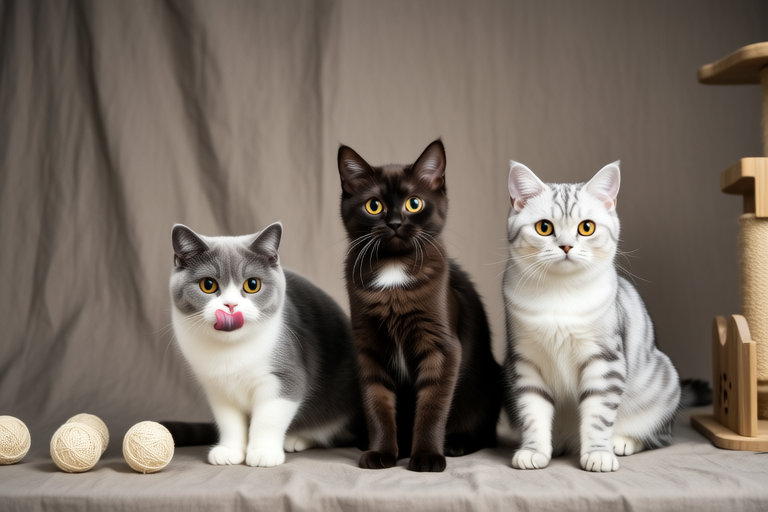
Munchkin Cats Unleashed: Myths and Facts
Munchkin cats have captured the hearts of many cat enthusiasts with their distinct appearance, particularly their short legs. These felines, known for their playful and curious nature, have been a subject of fascination since their first appearance in the 1980s. This article aims to provide an insightful exploration into the world of Munchkin cats, dispelling common myths and presenting factual information about their health, mobility, and overall quality of life.
The Unique Physical Feature: Short Legs
The most striking feature of Munchkin cats is their disproportionately short legs, which result from a genetic mutation affecting the long bones in their legs. This trait is similar to that seen in other breeds like Dachshunds and Corgis. Despite their shorter limbs, Munchkin cats maintain a graceful and agile posture, making them both charming and endearing. Their unusual build has made them popular in the cat fancy world, though it has also sparked debates regarding their welfare.
Myth 1: Munchkins Have Health Issues Due to Their Short Legs
Myth: One prevalent myth is that Munchkin cats suffer from severe health issues due to their short legs. Critics argue that the genetic mutation leading to their condition might lead to joint problems or spinal issues, potentially reducing their lifespan.
Facts: While it’s true that some Munchkin cats may face certain health challenges, extensive research has shown that these issues are no more common in Munchkin cats than in other breeds. Studies conducted by veterinary professionals indicate that Munchkin cats can live healthy lives without significant health risks associated with their leg length. A study published in the Veterinary Journal found that Munchkin cats were as active and healthy as their non-mutated counterparts when provided with proper care.
Real-world experiences also support this finding. Many owners report that their Munchkin cats are energetic and enjoy playing, climbing, and chasing toys just like any other breed. The key to maintaining their health lies in regular veterinary check-ups and a balanced diet tailored to their specific needs.
Myth 2: Munchkin Cats Cannot Move Like Other Cats
Myth: Another misconception is that Munchkin cats are less mobile and agile compared to other cat breeds. People often assume that their short legs would hinder their ability to jump, climb, or play.
Facts: Contrary to this belief, Munchkin cats are surprisingly agile and adaptable. They have developed unique ways to compensate for their shorter legs, such as using their strong hind legs and flexible spines to move efficiently. Many owners have observed their Munchkin cats jumping onto high surfaces or even catching prey, demonstrating their impressive athleticism.
Scientific observations have also revealed that Munchkin cats exhibit behaviors typical of their feline cousins, including grooming themselves meticulously and displaying territorial behavior. In a study published in the Journal of Feline Medicine and Surgery, researchers noted that Munchkin cats showed no significant difference in agility tests compared to other breeds.
Myth 3: Munchkin Cats Have Poor Quality of Life
Myth: There is a concern that Munchkin cats have a lower quality of life due to their genetic condition, potentially leading to a shorter lifespan.
Facts: Munchkin cats can enjoy a full and fulfilling life if given proper care and attention. Owners who have lived with Munchkin cats report that they are affectionate, social, and highly interactive pets. Their average lifespan is comparable to that of other domestic cats, typically ranging between 12 to 15 years.
Responsible breeding practices are crucial in ensuring the health and well-being of Munchkin cats. Reputable breeders screen for genetic disorders and ensure that their cats receive adequate medical care. By choosing a reputable breeder and providing a loving home, potential owners can help guarantee that their Munchkin cat will lead a happy and healthy life.
Tips for Potential Owners
If you’re considering adopting a Munchkin cat, there are several important factors to keep in mind:
- Research: Learn as much as possible about the breed before making a decision. Understand their unique characteristics and requirements.
- Reputable Breeder: Choose a reputable breeder who prioritizes the health and well-being of their cats. Ask about the health history of the litter and the parents.
- Veterinary Care: Regular check-ups are essential for keeping your Munchkin cat healthy. Discuss any specific concerns with your veterinarian to ensure they receive appropriate care.
- Nutrition: Provide a balanced diet suited to their energy levels and activity. Consult with your vet to determine the best dietary plan.
- Exercise: Encourage playtime and physical activity to keep your Munchkin cat fit and engaged. Interactive toys and climbing structures can be beneficial.
- Companionship: Munchkin cats thrive on social interaction. Spend time with your cat and consider adopting another companion if necessary.
In conclusion, Munchkin cats are delightful additions to any household, provided they are cared for responsibly. By understanding their unique needs and debunking common myths, potential owners can make informed decisions and provide their Munchkin cats with a loving and supportive environment. With proper care, these charming creatures can bring joy and companionship to their families for many years to come.
