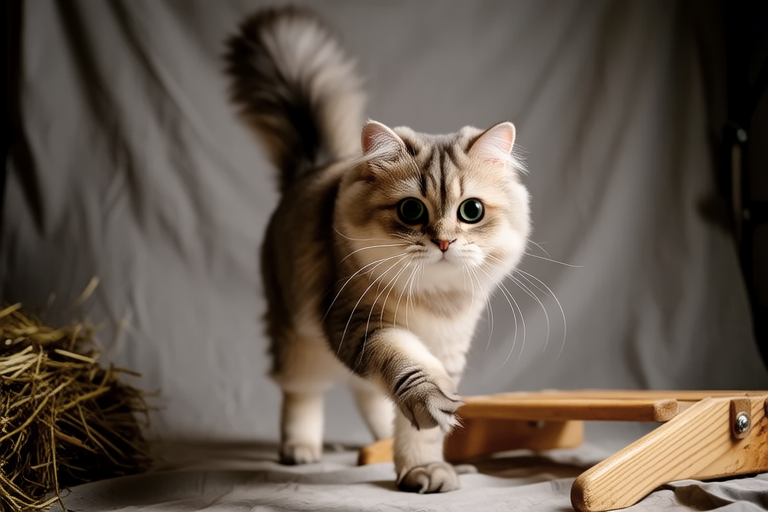
Adorable, Active, and Adaptable: Discover Why Chinchillas Make Great Pets
Welcome to the enchanting world of chinchillas! These small, furry creatures are not only adorable but also incredibly active and adaptable. Whether you’re a seasoned pet owner or considering your first pet, chinchillas offer a unique and rewarding companionship. In this article, we’ll explore why these charming animals make great pets, covering everything from their appearance and behavior to their care and health.
The Unique Appeal of Chinchillas
Chinchillas are native to the Andes Mountains in South America and have long been admired for their soft, dense fur. Their plush coats, which consist of up to 60 hairs per follicle, give them a luxurious appearance that’s hard to resist. With large, expressive eyes and a fluffy tail, chinchillas have an endearing quality that makes them irresistible to many pet lovers.
One of the most striking features of chinchillas is their vibrant personality. They are curious, playful, and full of energy. Watching them leap and bound around their enclosure can be a delightful sight. Their intelligence and inquisitive nature mean they are always exploring their surroundings, making each interaction with them an adventure.
An Active Lifestyle
Chinchillas are naturally active animals, and they require ample space to exercise and play. Providing a large cage with multiple levels and toys is essential to keep them entertained and healthy. Exercise wheels, tunnels, and climbing structures are all excellent additions to their habitat. Regular physical activity helps prevent obesity and promotes overall well-being.
It’s important to note that chinchillas are nocturnal, meaning they are most active during the night. This can be advantageous for pet owners who lead busy daytime lives, as it means the chinchilla will be more active when they are home to interact with it. However, it’s crucial to ensure that the chinchilla has a quiet, dark environment during the day to mimic its natural sleeping habits.
Ideal Living Conditions
Creating the right living environment for your chinchilla is key to its happiness and health. Chinchillas thrive in cool, dry climates, so maintaining an optimal temperature range of 64°F to 70°F (18°C to 21°C) is essential. High humidity levels can lead to skin problems, so it’s advisable to use a dehumidifier if necessary.
Their enclosure should be spacious enough to allow for movement and exploration. A wire-bottomed cage with solid flooring is preferable to prevent foot injuries. The cage should also be equipped with plenty of bedding material, such as dust-free paper or wood shavings, to create a comfortable and safe environment.
Dietary Needs
Chinchillas have specific dietary requirements that must be met to ensure their health and longevity. Their diet should primarily consist of high-quality chinchilla pellets, which provide the necessary nutrients for growth and maintenance. Additionally, fresh timothy hay should be available at all times as it aids digestion and provides essential fiber.
While chinchillas enjoy treats, it’s important to feed them sparingly. Appropriate treats include small pieces of fresh fruit or vegetables, such as carrots, apples, or leafy greens. Avoid feeding sugary or fatty foods, as these can lead to health issues. Always introduce new foods gradually to monitor for any adverse reactions.
Grooming Requirements
Despite their soft fur, chinchillas do not require frequent bathing like some other animals. Instead, they rely on dust baths to clean themselves. Provide a shallow container filled with chinchilla-specific dust for regular baths, typically lasting about 10-15 minutes. This helps remove oils and dirt from their fur while promoting healthy skin.
Regular brushing with a soft-bristled brush can help remove loose fur and prevent matting. Pay special attention to areas where the fur is prone to tangling, such as behind the ears and under the chin. Maintaining good hygiene is crucial for preventing skin irritations and infections.
Interacting with Humans
Chinchillas can form strong bonds with their human companions, especially when handled gently and consistently. While they may not be as affectionate as some other pets, they can learn to trust and respond positively to their owners. Patience and gentle handling are key to building a positive relationship.
Handling your chinchilla should be done carefully to avoid causing stress or injury. Support their body fully when holding them and avoid sudden movements. Many chinchillas enjoy sitting on their owner’s shoulder or being petted gently along the back. Spend time interacting with your chinchilla daily to strengthen your bond.
Adaptability to Various Environments
Chinchillas are highly adaptable animals, capable of thriving in a variety of environments. However, their specific needs for temperature control and low humidity should be carefully considered. While they can adjust to indoor living, it’s important to ensure that their enclosure remains free from drafts and excessive heat.
For those living in warmer climates, additional measures such as air conditioning and proper ventilation can help maintain the ideal conditions for your chinchilla. With the right setup, chinchillas can be a wonderful addition to homes of all types, bringing joy and companionship to their owners.
Common Health Issues
Like all pets, chinchillas are susceptible to certain health issues. One of the most common problems is bumblefoot, an infection caused by prolonged standing on a wire floor. To prevent this, provide solid flooring in parts of the enclosure or use soft bedding materials.
Respiratory infections can also occur, particularly if the chinchilla is exposed to cold drafts or high humidity. Ensuring proper ventilation and maintaining a clean environment can help reduce the risk. Regular veterinary check-ups are essential for early detection and treatment of any health issues.
Tips for Potential Owners
If you’re considering adopting a chinchilla, here are some tips to ensure a happy, healthy life for your new companion:
- Research thoroughly: Before bringing a chinchilla home, educate yourself about their specific needs and behaviors. Understanding their care requirements will help you provide the best possible environment.
- Choose a reputable breeder: Selecting a responsible breeder ensures that your chinchilla comes from healthy stock and has received proper socialization.
- Prepare the enclosure: Set up a suitable living space before bringing your chinchilla home. Ensure the cage is appropriately sized, well-ventilated, and equipped with all necessary accessories.
- Gradual introduction: Introduce your chinchilla to its new environment gradually. Allow it to explore and become familiar with its surroundings at its own pace.
- Monitor closely: Keep an eye on your chinchilla’s behavior and health. Early signs of distress or illness can often be detected through changes in eating habits, activity levels, or appearance.
By following these guidelines and dedicating yourself to your chinchilla’s care, you’ll be rewarded with a loyal, loving, and entertaining companion. Chinchillas bring a unique charm and energy to any household, making them truly one-of-a-kind pets.
Whether you’re looking for a pet that will keep you entertained with its antics or simply enjoy the companionship of a cuddly friend, chinchillas are sure to delight. With their soft fur, playful nature, and adaptable personalities, they make wonderful additions to many homes. So why not consider adding a chinchilla to your family today?
