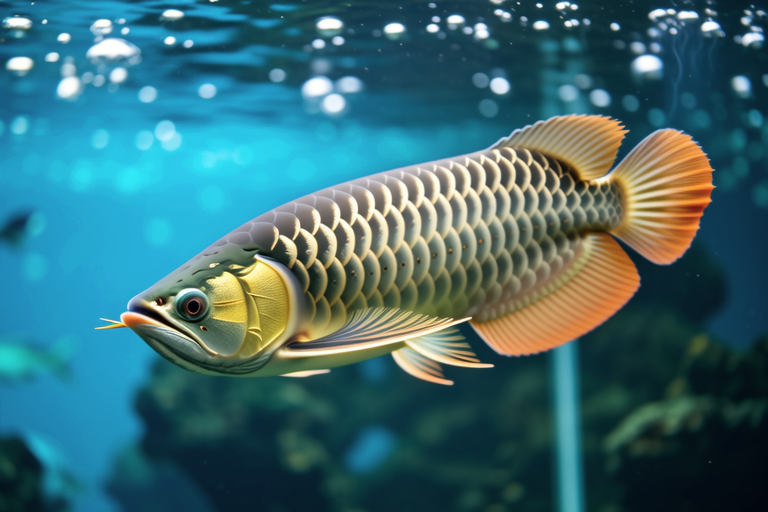
The Majestic Arowana: A Cultural and Ecological Icon
The arowana, often referred to as “dragonfish” due to its legendary appearance, is a species of freshwater fish that has captivated human imagination for centuries. This enigmatic creature, known for its striking physical attributes and significant cultural symbolism, holds a special place in the hearts of aquarists and nature enthusiasts alike. From its historical significance across cultures to its vital role in aquatic ecosystems, the arowana is a testament to the beauty and complexity of the natural world.
Historical Significance Across Cultures
Across different cultures, the arowana has been revered for its mythical qualities. In Chinese culture, the arowana is considered a symbol of good luck, prosperity, and protection. Its reputation as a bringer of fortune has made it a popular choice for aquariums in homes and businesses. In some Southeast Asian countries, the arowana is believed to possess supernatural powers and is associated with royalty and nobility. The fish’s ability to leap out of the water to catch insects and small birds further adds to its mystique, making it a subject of fascination and admiration.
Physical Attributes Embodiment of Elegance Underwater
Underwater, the arowana is an embodiment of elegance and grace. With its elongated body, streamlined fins, and shimmering scales, it moves with fluidity and precision. The arowana’s large, upward-facing eyes provide excellent vision, enabling it to spot prey from above the water’s surface. Its powerful pectoral fins allow it to hover effortlessly in mid-water, while its strong tail fin propels it forward with remarkable speed. The arowana’s scales, which can be metallic blue, green, or red, reflect light in a mesmerizing display of iridescence, adding to its allure.
Varieties of Arowana Breeds
There are several varieties of arowanas, each with its unique characteristics. The most well-known breed is the Scleropages formosus, commonly referred to as the Asian arowana. This breed is prized for its vibrant coloration and regal appearance. Another popular breed is the silver arowana, known for its sleek, silvery scales and graceful movements. The black arowana, with its jet-black scales, is highly sought after for its striking contrast against the water. Each breed of arowana has distinct features that make it a standout in any aquarium.
Care Required for Maintaining Health and Beauty
Maintaining the health and beauty of arowanas requires careful attention to their habitat and diet. Arowanas thrive in large, well-maintained aquariums with plenty of swimming space. The water temperature should be kept between 78 and 84 degrees Fahrenheit, and the pH level should be maintained at 6.5 to 7.5. Regular water changes and filtration are essential to keep the environment clean and free of toxins. Arowanas are carnivorous and require a diet rich in protein. Feeding them live or frozen foods such as shrimp, fish, and insects ensures they receive the nutrients necessary for optimal health and growth.
Behaviors and Habits of Arowanas
Arowanas are fascinating creatures with intriguing behaviors and habits. They are known for their predatory nature, using their keen eyesight and agility to hunt for food. Their ability to leap out of the water to catch flying insects and small birds showcases their adaptability and hunting prowess. In the wild, arowanas are solitary creatures, but in captivity, they can coexist peacefully with other large fish. Arowanas are territorial and may become aggressive if threatened or if their territory is invaded. Understanding and respecting their behavior is crucial for maintaining a harmonious aquarium environment.
Role in Aquatic Ecosystems
In their natural habitats, arowanas play a vital role in aquatic ecosystems. As apex predators, they help control the population of smaller fish and invertebrates, contributing to the balance of the ecosystem. Their presence also serves as an indicator of the overall health of the ecosystem. By maintaining the proper balance, arowanas ensure the survival of other species and contribute to the biodiversity of the environment. However, due to overfishing and habitat destruction, the populations of arowanas in the wild have declined significantly, making their conservation efforts even more critical.
Conservation Status and Importance of Responsible Ownership
The conservation status of arowanas varies depending on the breed. Some breeds, such as the red arowana, are critically endangered and protected under international laws. Others, like the silver arowana, are classified as vulnerable. The decline in arowana populations is primarily due to habitat loss, pollution, and overfishing. Responsible ownership plays a crucial role in the conservation of these magnificent creatures. By choosing captive-bred arowanas and supporting sustainable breeding practices, aquarists can help preserve the species and ensure their continued existence.
The majestic presence of arowanas is a testament to the wonders of nature. Their elegant underwater movements, coupled with their historical significance and cultural symbolism, make them a beloved subject among aquarists and nature enthusiasts. By understanding their unique characteristics, behaviors, and the care they require, we can ensure their health and beauty are preserved for generations to come. Let us continue to appreciate and protect these magnificent creatures, recognizing their vital role in aquatic ecosystems and their enduring appeal as symbols of good fortune and prosperity.
