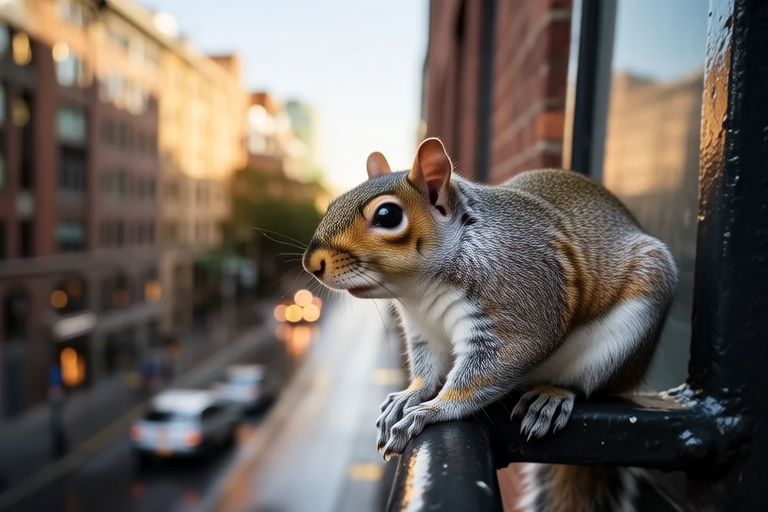
Urban Squirrels: Adaptations, Behaviors, and Cultural Significance
Urban squirrels have become an integral part of cityscapes worldwide, adapting to the challenges posed by urban environments. These small mammals have developed unique strategies for survival, including navigation through traffic, avoiding predators, and managing limited natural resources. This article explores the various aspects of urban squirrels’ lives, from their dietary habits and nesting strategies to their interactions with humans and the role of urban planning in supporting their populations.
Dietary Habits
Squirrels in urban areas have adapted their diets to include a wide range of foods available in cities. Their diet primarily consists of seeds, nuts, fruits, and vegetables found in parks, gardens, and backyards. However, they also scavenge for human food waste, making them omnivores. The adaptability of their diet is crucial for their survival in urban environments where natural food sources may be scarce. For instance, during winter months when natural food supplies are low, urban squirrels rely heavily on human-provided food, such as birdseed or discarded snacks.
Nesting Strategies
In cities, squirrels face the challenge of finding suitable nesting sites due to the lack of natural tree hollows. To overcome this obstacle, they have developed alternative nesting strategies. Many urban squirrels construct nests, known as dreys, using twigs, leaves, and other materials found in the urban environment. These nests are often built in trees, but some squirrels have adapted to living in man-made structures like attics, garages, or even under porches. The location of these nests is critical for protection from predators and harsh weather conditions.
Interactions with Humans
Urban squirrels have learned to coexist with humans, developing a complex relationship that benefits both parties. They are often seen as symbols of nature within the concrete jungle, providing entertainment and companionship for city dwellers. In return, humans provide food and shelter, sometimes unintentionally, by leaving out pet food or maintaining green spaces. However, this close proximity can also lead to conflicts, such as property damage caused by squirrels seeking food or shelter. Understanding and managing these interactions is essential for maintaining a harmonious relationship between humans and squirrels in urban areas.
Survival Rates Compared to Rural Counterparts
Studies have shown that urban squirrels generally have higher survival rates than their rural counterparts. This is due to several factors, including reduced predation pressure and access to more consistent food sources. In urban environments, predators like foxes, coyotes, and birds of prey are less common, allowing squirrels to focus more on foraging and reproduction. Additionally, the presence of humans provides a buffer against natural predators, as people often intervene when they witness attacks on wildlife. Despite these advantages, urban squirrels still face significant challenges, such as vehicle collisions and exposure to toxins, which can impact their overall health and longevity.
Cultural Significance
Urban squirrels hold a special place in the hearts of many city residents, symbolizing nature’s resilience in the face of urbanization. They are often featured in local folklore, art, and literature, representing themes of adaptability and perseverance. In some cultures, squirrels are associated with good luck, while in others, they are seen as mischievous tricksters. This cultural significance has contributed to increased awareness about the importance of preserving urban wildlife habitats and promoting coexistence between humans and animals.
Role of Urban Planning in Supporting Squirrel Populations
Urban planners play a crucial role in creating environments that support squirrel populations by incorporating green spaces, planting trees, and ensuring safe passage across roads. Green spaces, such as parks and gardens, provide essential habitats for squirrels, offering food sources, nesting sites, and protection from predators. Planting trees not only enhances the aesthetic appeal of cities but also provides valuable resources for squirrels, including food and shelter. Furthermore, implementing measures to reduce road mortality, such as wildlife crossings and speed limits in residential areas, can significantly improve the safety of urban squirrel populations.
Conservation Efforts
Conservation efforts aimed at maintaining squirrel habitats within cities involve collaboration between government agencies, non-profit organizations, and community groups. These initiatives focus on creating and preserving green spaces, educating the public about responsible coexistence with wildlife, and addressing conflicts between humans and squirrels. For example, some cities have implemented programs to relocate squirrels from areas where they pose a threat to property or public safety, rather than resorting to lethal methods. Additionally, research projects aim to better understand the ecological needs of urban squirrels and develop effective management strategies.
Scientific Insights
Recent studies have shed light on the unique adaptations and behaviors of urban squirrels, providing valuable insights into their survival strategies. One study published in the journal Animal Behaviour found that urban squirrels exhibit increased boldness and risk-taking behavior compared to their rural counterparts. This trait allows them to navigate busy streets and interact with humans more confidently. Another study conducted by researchers at the University of California, Davis, revealed that urban squirrels have larger home ranges than rural squirrels, likely due to the patchy distribution of resources in cities. These findings highlight the remarkable ability of urban squirrels to adapt to changing environments and thrive in urban settings.
Conclusion
Urban squirrels have successfully adapted to the challenges of city life, developing unique strategies for survival in environments filled with traffic, predators, and limited natural resources. Through their dietary flexibility, nesting innovations, and interactions with humans, these small mammals have carved out a niche for themselves in urban ecosystems. By understanding and supporting their needs, we can promote coexistence between humans and wildlife, ensuring the continued presence of these beloved creatures in our cities. As urbanization continues to reshape landscapes worldwide, it is essential to recognize the value of urban squirrels and work towards creating sustainable habitats that benefit both humans and animals.
