Red-Eared Slider Turtles: A Complete Guide
The red-eared slider turtle (Trachemys scripta elegans) is one of the most popular pet turtles worldwide, known for its charming appearance and relatively easy care requirements. These aquatic turtles are beloved by many due to their distinct red stripes behind the eyes, which give them their name. Their striking appearance and engaging behavior make them a favorite among turtle enthusiasts.
Unique Appearance
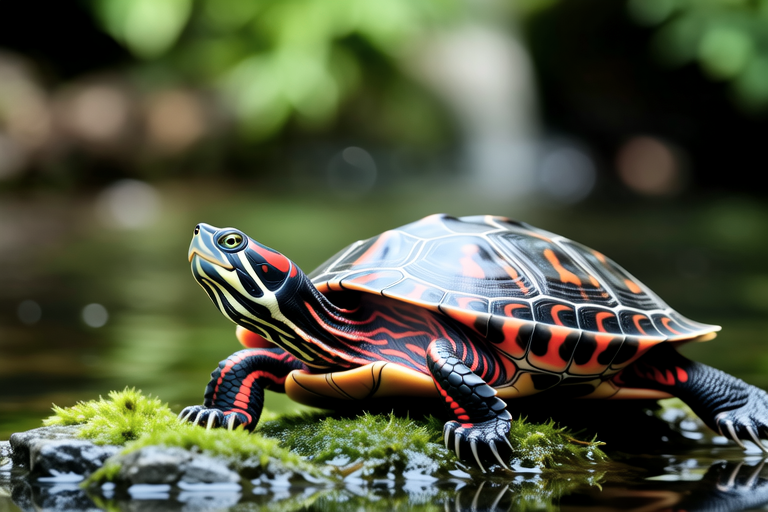
Red-eared sliders have a greenish-brown shell with yellow markings that become more pronounced as they age. The most distinctive feature is the red stripe behind each eye, which gives the species its name. Their skin is often a mix of green and yellow, with some individuals displaying more vibrant colors. Juvenile red-eared sliders typically have brighter shells and more noticeable markings than adults, but even fully grown turtles retain their charm. Their webbed feet enable them to swim gracefully, while their claws help them dig and forage.
Popularity as Pets
Red-eared sliders are widely sought after as pets due to their affordability and availability. They are sold in pet stores, reptile expos, and online markets. However, potential owners must be aware of the commitment involved in caring for these turtles. Proper care is essential for their well-being and longevity. Responsible ownership requires understanding their habitat needs, diet, and behavioral patterns.
Habitat Needs
Red-eared sliders require a spacious tank or pond to thrive. For a single adult turtle, a minimum of 40 gallons of water is recommended, with additional space for every additional turtle. The water should be kept clean and free from harmful bacteria, which can be achieved through regular water changes and filtration systems. In addition to water, turtles need a dry area to bask under UVB lighting, which helps them synthesize vitamin D3 and maintain healthy shells. Providing a suitable environment is crucial for their physical and mental health.
Diet
Red-eared sliders are omnivores, meaning they eat both plant matter and animal protein. Juveniles should be fed a diet consisting mainly of animal protein, such as commercial turtle pellets, earthworms, crickets, and occasional small fish. As they mature, their diet should gradually shift towards more vegetation, including leafy greens like romaine lettuce, dandelion greens, and aquatic plants. It’s important to avoid feeding them iceberg lettuce, as it lacks nutritional value. A balanced diet ensures optimal growth and health.
Common Behaviors
Red-eared sliders exhibit a range of fascinating behaviors. One of the most endearing is basking. They enjoy sunbathing on rocks or logs to regulate their body temperature and aid digestion. Watching them stretch out their limbs and soak up the warmth can be quite amusing. Another common behavior is swimming. These turtles are strong swimmers and can often be seen gliding effortlessly through the water. They may also engage in playful interactions, such as nudging each other or chasing food.
Interesting Facts
Red-eared sliders can live for 20 to 40 years or more with proper care. They originate from the Mississippi River Valley and adjacent areas in North America. These turtles are excellent swimmers and spend much of their time in the water. In the wild, they hibernate during colder months by burying themselves in mud at the bottom of ponds. Their ability to adapt to various environments has contributed to their success as an invasive species in parts of Europe and Asia.
Adorable Poses
Photographing red-eared sliders can yield some heartwarming images. Basking turtles often stretch their necks and legs, making for a charming pose. Swimming shots capture their graceful movements, showcasing their agility and speed. Some turtles may strike a pose by floating on their backs, looking relaxed and content. Others might be seen munching on food, their mouths wide open, revealing their sharp teeth. Capturing these moments can be a delightful way to document your turtle’s life and share its beauty with others.
Proper Care for Pet Health
Maintaining the health of your red-eared slider requires attention to several factors. Regular veterinary check-ups are essential, especially for young turtles. Providing a balanced diet, clean water, and appropriate housing are vital for their well-being. Monitoring water quality and temperature is crucial, as poor conditions can lead to respiratory infections and shell rot. Additionally, ensuring adequate UVB exposure is necessary for calcium absorption and shell development. By prioritizing your turtle’s health, you can enjoy many years of companionship with this delightful creature.
Call to Action for Responsible Turtle Ownership
Owning a red-eared slider turtle is a rewarding experience, but it comes with significant responsibilities. Before bringing a turtle into your home, research thoroughly to ensure you can provide the care it needs. Consider the long-term commitment involved and whether you are prepared for the financial and time investment required. If you decide to adopt a red-eared slider, make sure to purchase from reputable breeders who prioritize the welfare of their animals. By becoming an informed and responsible owner, you can contribute to the well-being of these remarkable creatures and help preserve their species for future generations.
