Top 10 Fascinating Facts About the Majestic Rajah Cichlid
The Rajah cichlid, scientifically known as Vicaria melania, is a captivating fish species that has long fascinated aquarium enthusiasts and biologists alike. This article delves into ten remarkable aspects of the Rajah cichlid, offering insights into its habitat, diet, behavior, and unique characteristics.
Fact 1: A Tropical Paradise
The Rajah cichlid hails from the warm waters of the Amazon Basin, specifically within the tributaries of the Rio Negro and Rio Branco in Brazil. These rivers offer a labyrinth of flooded forests and blackwater streams, providing an ideal environment for these fish. The water in their natural habitat is typically soft, acidic, and rich in tannins, which gives it a characteristic dark color. This unique setting contributes significantly to the health and vibrancy of the Rajah cichlid.
Fact 2: Masters of Camouflage
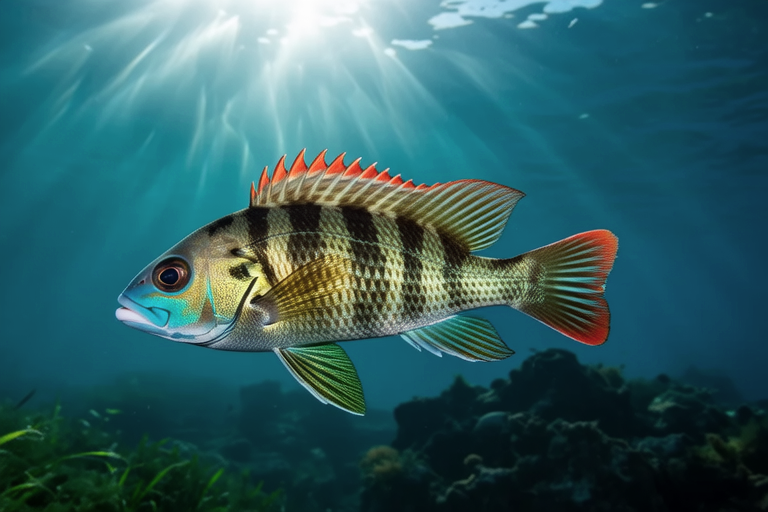
One of the most striking features of the Rajah cichlid is its ability to blend seamlessly into its surroundings. Their body is adorned with intricate patterns of dark spots and stripes, making them nearly invisible among the submerged roots and leaves of their aquatic habitat. This camouflage is crucial for both predator avoidance and stealthy hunting. The fish’s coloration can even change slightly depending on mood or environmental conditions, adding another layer of complexity to their adaptive strategies.
Fact 3: Carnivorous Connoisseurs
Unlike many omnivorous cichlids, the Rajah cichlid is primarily carnivorous, with a diet that includes small invertebrates, crustaceans, and occasionally other fish. In captivity, they thrive on a varied diet of high-quality pellets, frozen bloodworms, and occasional live foods like brine shrimp. Their preference for meaty meals makes them an exciting addition to a community tank, though caution is advised when housing them with smaller fish species.
Fact 4: Social Structures and Hierarchies
Rajah cichlids exhibit complex social behaviors within their communities. They establish clear hierarchies, with dominant individuals leading smaller groups. Males, in particular, are fiercely territorial, especially during breeding seasons. These behaviors are part of their evolutionary strategy to ensure survival and successful reproduction. Observing these interactions in an aquarium can provide endless fascination for the dedicated aquarist.
Fact 5: Breeding Behaviors and Parental Care
During breeding, Rajah cichlids engage in elaborate courtship rituals. Once a pair is formed, they meticulously prepare a spawning site, often selecting a flat rock or a sandy area. After laying and fertilizing the eggs, both parents take turns guarding the clutch until the fry hatch and become free-swimming. This level of parental care is uncommon among cichlids and underscores the species’ commitment to reproductive success.
Fact 6: Adaptability to Changing Conditions
Despite their specialized habitat requirements, Rajah cichlids have shown a remarkable ability to adapt to various environmental changes. This adaptability is partly due to their flexible dietary preferences and their capacity to adjust their behavior to suit different settings. In aquariums, they can thrive in environments that mimic their natural conditions but also show resilience in less-than-ideal setups, provided basic needs are met.
Fact 7: Unique Physiological Traits
The Rajah cichlid possesses several physiological traits that set it apart from other cichlid species. For instance, they have highly developed lateral lines, which help them detect vibrations in the water, aiding in both hunting and avoiding predators. Additionally, their robust swim bladders allow for efficient buoyancy control, enabling them to maneuver effortlessly through their aquatic world.
Fact 8: Conservation Concerns
While the Rajah cichlid remains relatively abundant in its natural habitat, there are concerns regarding its long-term sustainability. Habitat destruction, pollution, and overfishing pose significant threats. Conservation efforts are underway to protect this species, including the establishment of protected areas and sustainable fishing practices. Awareness campaigns aimed at reducing the impact of human activities on these ecosystems are also crucial.
Fact 9: Captive Breeding Successes
Captive breeding programs have been remarkably successful for the Rajah cichlid. These initiatives not only contribute to the preservation of the species but also enhance our understanding of their biology and behavior. Aquarists who participate in these programs play a vital role in maintaining genetic diversity and ensuring the continued availability of healthy specimens for hobbyists and research.
Fact 10: Aesthetic Appeal and Popularity
The Rajah cichlid’s striking appearance and dynamic behavior have made it a popular choice among aquarium enthusiasts. Its sleek body, vibrant colors, and active nature make it a standout in any tank. Moreover, its interactive behaviors, such as courting displays and parental care, provide a unique and rewarding experience for observers. The species’ popularity also underscores the importance of responsible pet ownership and proper care.
In conclusion, the Rajah cichlid is a testament to the incredible diversity and adaptability found within the animal kingdom. From its intricate camouflage to its complex social structures, this species offers a wealth of fascinating insights for both casual observers and dedicated researchers. Whether you’re a seasoned aquarist or simply curious about the wonders of nature, the Rajah cichlid promises an enriching journey into the world of tropical fish.
