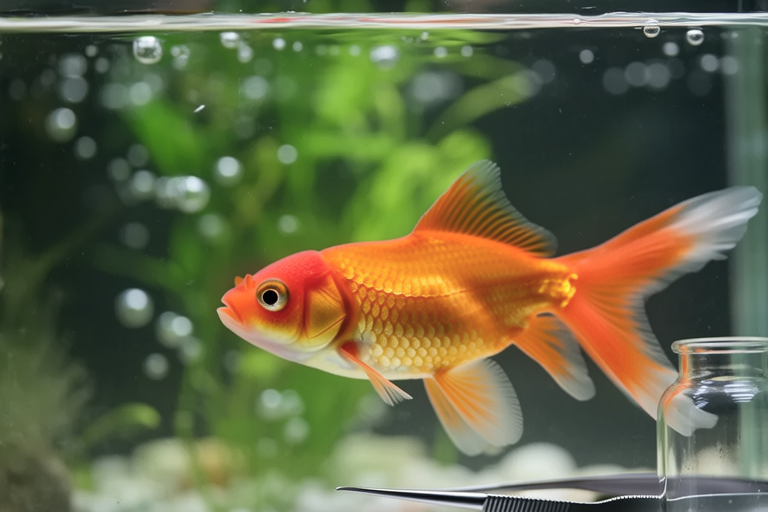
How to Spot and Treat Common Goldfish Illnesses Like a Pro
Welcome to a comprehensive guide on keeping your goldfish healthy and happy. Regular health checks are crucial for any pet, especially goldfish, as they can’t vocalize discomfort or pain. Early detection and intervention can mean the difference between life and death for your aquatic companions. This article will walk you through common illnesses, their symptoms, causes, prevention, diagnosis, and treatment. We’ll also provide tips on maintaining a healthy tank environment.
The Importance of Regular Health Checks
Regular health checks are essential for ensuring your goldfish’s well-being. By monitoring your fish daily, you can quickly notice any changes in behavior, appearance, or swimming patterns. Early detection of health issues allows for prompt treatment, potentially preventing more severe complications. A healthy goldfish should be active, have clear eyes, and exhibit normal feeding behaviors. Any deviation from these signs may indicate underlying health problems.
Common Illnesses and Their Symptoms
Ich (White Spot Disease)
Symptoms: White spots on the body and fins, rapid breathing, loss of appetite, and lethargy.
Cause: Ich is caused by the parasite Ichthyophthirius multifiliis, which thrives in cooler water temperatures. It’s highly contagious and can spread rapidly among fish.
Prevention: Maintain stable water conditions, avoid overcrowding, and quarantine new fish before introducing them to your main tank.
Fungus Infections
Symptoms: Cotton-like growths on the body, fins, or mouth.
Cause: Fungal infections often occur after physical injuries or stress. Poor water quality can exacerbate the problem.
Prevention: Keep water clean, avoid overcrowding, and ensure fish don’t sustain injuries that could lead to infection.
Bacterial Infections
Symptoms: Red patches, fin rot, bloating, and ulcers.
Cause: Bacteria thrive in unclean water, so poor hygiene practices are often the cause. Stress and injury can also make fish more susceptible.
Prevention: Perform regular water changes, maintain optimal water parameters, and quarantine sick fish immediately.
Constipation
Symptoms: Bloated belly, difficulty swimming, and reduced appetite.
Cause: Overfeeding or feeding inappropriate food can lead to constipation.
Prevention: Feed your goldfish only what they can consume in two minutes, twice daily. Offer a varied diet rich in vegetables.
Diagnosing Issues Early
Early diagnosis is key to successful treatment. Here’s how to spot potential issues:
- Observe Behavior: Pay attention to changes in swimming patterns, feeding habits, and overall activity levels.
- Check Appearance: Look for visible signs such as discoloration, lesions, or unusual growths.
- Test Water Parameters: Use a water testing kit to check pH, ammonia, nitrite, and nitrate levels regularly.
- Consult Resources: Research online or consult a veterinarian if unsure about the cause of your fish’s symptoms.
Treatment Methods
Ich Treatment
For ich, raise the tank temperature slightly to around 82°F for a few days. This helps speed up the parasite’s life cycle, making it easier to eliminate. Add aquarium salt at a rate of one tablespoon per five gallons of water. Continue treatment for several days after all signs of ich disappear to ensure complete eradication.
Fungus Treatment
For fungal infections, treat the affected areas with an antifungal solution. Products containing malachite green or methylene blue are effective. Alternatively, increase the tank’s salinity slightly to discourage fungal growth. Remove dead tissue gently using a soft brush if necessary. Monitor the fish closely during treatment and adjust the dosage based on their response.
Bacterial Infection Treatment
Bacterial infections require antibiotics. Consult a veterinarian for the appropriate medication and dosage. Metronidazole is commonly used for internal bacterial infections, while erythromycin treats external infections. Administer the medication according to the vet’s instructions. Clean the tank thoroughly and perform frequent water changes to reduce bacterial load.
Constipation Treatment
To treat constipation, fast your goldfish for 24 hours, then feed them peas. Boil the peas until soft, remove the skins, and feed small pieces. This high-fiber diet helps clear blockages. Afterward, return to a normal feeding schedule but ensure moderation. Avoid overfeeding in the future to prevent recurrence.
When Professional Help is Necessary
If your goldfish shows no improvement after home treatments, or if the condition worsens, seek professional advice. Veterinarians specializing in exotic pets can offer expert guidance and advanced treatments. They can also provide advice on setting up quarantine tanks and improving overall care practices.
Maintaining a Healthy Tank Environment
A clean, well-maintained tank is the best defense against illness. Follow these tips:
- Water Quality: Test water regularly and perform partial water changes weekly. Maintain optimal pH levels between 6.5 and 8.0.
- Filter Maintenance: Clean filters monthly to prevent clogs and ensure efficient filtration.
- Feeding: Provide a balanced diet and avoid overfeeding. Offer variety, including pellets, flakes, and fresh vegetables.
- Quarantine: Always quarantine new fish for at least two weeks before introducing them to the main tank.
- Stress Reduction: Minimize sudden changes in water parameters and avoid overcrowding.
By following this guide, you can become proficient in identifying and treating common goldfish illnesses. Regular health checks, proper maintenance, and prompt action when issues arise will keep your goldfish thriving in a healthy tank environment. Remember, prevention is better than cure. With dedication and knowledge, you can enjoy many years of companionship with your vibrant and lively goldfish.
