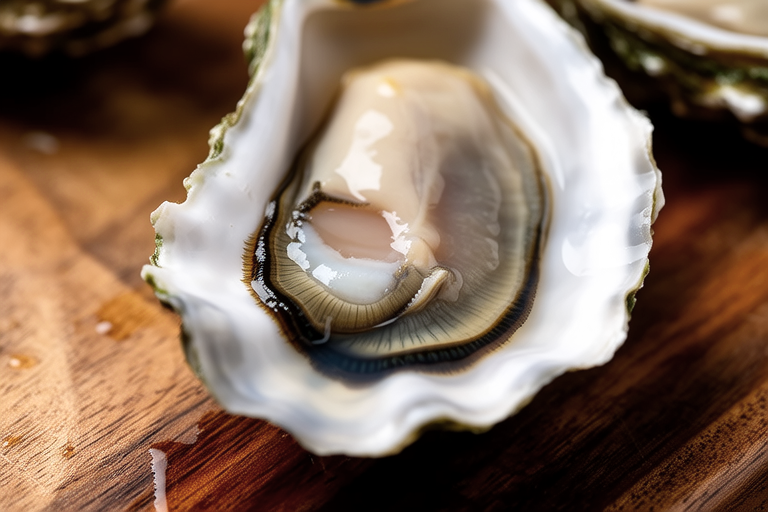
Pea Crabs: The Unsung Heroes Hiding in Oysters
In the vast and intricate world of marine biology, there exists a fascinating symbiotic relationship between pea crabs and oysters. These tiny crustaceans, known as pea crabs, live within the protective shells of oysters, leading a life that is both hidden and crucial to the balance of marine ecosystems. This article delves into the world of pea crabs, exploring their species, lifecycle, benefits, threats, and the ecological importance of their partnership with oysters.
The Species of Pea Crabs
Pea crabs belong to the family Pinnotheridae, a group of small crabs that inhabit various mollusks, including oysters, clams, and mussels. There are approximately 90 species of pea crabs worldwide, each adapted to specific host species. In the United States, the most common species found in oysters are Pinnotheres ostreum, commonly known as the European oyster crab, and Portunolopha oregonensis, the Pacific oyster crab. Despite their diminutive size, these crabs play a significant role in their ecosystem.
Lifecycle Within the Oyster
The lifecycle of pea crabs begins with the release of larvae into the water column by adult female crabs. These larvae are planktonic, meaning they drift freely in the ocean currents until they find a suitable host. Once a larva locates an oyster, it enters through the gills or mantle cavity, settling inside the shell where it metamorphoses into its juvenile form. As the crab grows, it remains within the confines of the oyster, benefiting from the protection and resources provided by its host.
Pea crabs have a complex reproductive cycle that involves both males and females living within the same oyster. After mating, the female carries her eggs internally until they hatch. The larvae then leave the oyster to begin their own lifecycle, continuing the cycle of life within the oyster.
Benefits of the Symbiotic Relationship
The relationship between pea crabs and oysters is mutually beneficial. For the pea crabs, the oyster provides a safe haven from predators, shelter from harsh environmental conditions, and a constant supply of food. Inside the oyster, the crabs feed on plankton, detritus, and other organic matter that the oyster filters from the water. This arrangement allows the crabs to avoid the energetic costs associated with foraging in open waters.
For the oysters, the presence of pea crabs can also be advantageous. By feeding on particles within the oyster, the crabs may help improve the efficiency of the oyster’s filtration process. Additionally, the presence of pea crabs might deter some parasitic infections, acting as a natural defense mechanism. However, the exact nature of this interaction is still under investigation, and more research is needed to fully understand the extent of the benefits.
Threats to Pea Crabs and Their Hosts
Despite the advantages of their symbiotic relationship, pea crabs and their hosts face numerous threats. One of the primary concerns is overfishing of oysters, which reduces the availability of suitable habitats for pea crabs. Overharvesting of oysters can lead to a decline in pea crab populations, disrupting the delicate balance of marine ecosystems.
Environmental changes, such as increased water temperatures and pollution, also pose significant risks. Warmer waters can alter the timing of the crab’s lifecycle, potentially causing mismatches between the availability of hosts and the need for shelter. Pollution, particularly from agricultural runoff and industrial waste, can harm both the crabs and the oysters, reducing their overall health and resilience.
Moreover, invasive species can disrupt the native ecosystems, introducing new predators or competitors that further threaten the survival of pea crabs and their hosts. Conservation efforts must address these challenges to ensure the sustainability of both pea crabs and oysters.
Ecological Significance
The symbiotic relationship between pea crabs and oysters has far-reaching ecological implications. Oysters are filter feeders, playing a critical role in maintaining water quality by removing excess nutrients and particulate matter from the water. This filtration helps prevent algal blooms and improves overall water clarity, benefiting a wide range of marine organisms.
Pea crabs contribute to this process by enhancing the efficiency of the oyster’s filtration system. They also serve as an important link in the food chain, providing a source of nutrition for larger predators. By supporting healthy populations of oysters, pea crabs indirectly support the broader marine ecosystem.
Furthermore, the presence of pea crabs can indicate the health of the marine environment. A thriving population of pea crabs suggests a robust and diverse ecosystem, while declining numbers may signal underlying issues that require attention. Monitoring pea crab populations can provide valuable insights into the overall condition of marine habitats.
Conservation Efforts
To protect pea crabs and their hosts, several conservation strategies have been implemented. Sustainable fishing practices, such as limiting harvests and implementing closed seasons, help maintain healthy oyster populations. Restoration projects focus on rehabilitating degraded habitats, creating conditions conducive to the growth of both oysters and pea crabs.
Education and outreach programs raise awareness about the importance of these creatures and encourage responsible behavior among coastal communities. By promoting stewardship of marine resources, these initiatives foster a sense of responsibility and encourage active participation in conservation efforts.
Research plays a vital role in understanding the complexities of the pea crab-oyster relationship. Scientists continue to study the interactions between these organisms, aiming to uncover new insights that can inform effective management strategies. Collaborative efforts between researchers, policymakers, and stakeholders are essential to ensuring the long-term survival of pea crabs and their hosts.
Conclusion
Pea crabs are unsung heroes in the world of marine biology, quietly contributing to the health and stability of our oceans. Their symbiotic relationship with oysters exemplifies the intricate web of life that characterizes marine ecosystems. By providing protection, food, and a stable environment, oysters enable pea crabs to thrive, while the crabs, in turn, enhance the efficiency of their hosts’ filtration processes and support the broader marine community.
As we face increasing pressures on marine environments, it is crucial to recognize and protect these delicate relationships. Through sustainable practices, education, and ongoing research, we can ensure the continued existence of pea crabs and their hosts, preserving the richness and diversity of our oceans for future generations.
