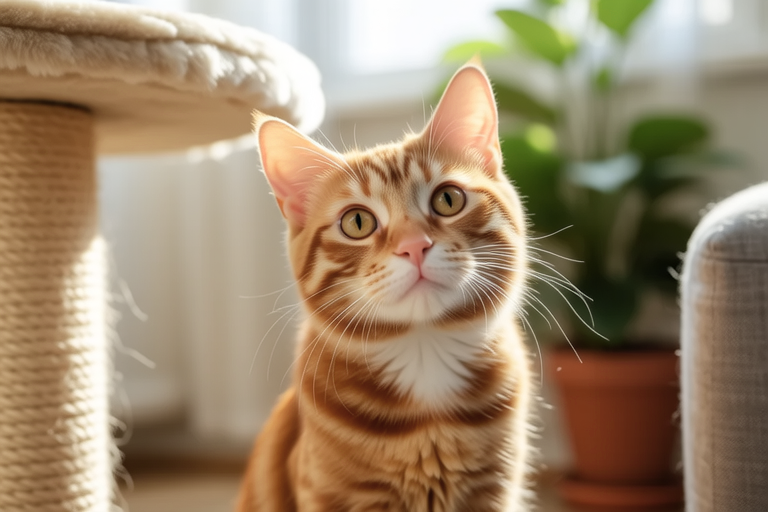
Adopting an Orange Cat: Tips for Finding Your Perfect Match
Welcome to the wonderful world of orange cats! These felines, often referred to as ginger or marmalade cats, have captured the hearts of many with their striking appearance and unique personalities. Adopting an orange cat can be an incredibly rewarding experience, offering companionship, affection, and a lifetime of joy. This guide aims to provide potential adopters with valuable insights to help them find their perfect match.
The Unique Charm and Personality Traits of Orange Cats
Orange cats, known for their vibrant coats, are more than just a pretty face. They possess distinct personality traits that set them apart from other breeds. Many orange cats are known for their friendly and sociable nature, making them excellent companions for families and individuals alike. Their playful demeanor ensures they remain engaging, often displaying a love for interactive toys and games. Additionally, these cats tend to be quite vocal, expressing their thoughts and emotions through chirps, meows, and purrs.
While orange cats share certain characteristics, it’s important to remember that each individual has its own unique personality. Some may be more independent, while others crave constant attention. Understanding these nuances will help you find the right fit for your home.
Researching Local Shelters and Rescue Organizations
The first step in adopting an orange cat is researching local shelters and rescue organizations that specialize in orange cats. Many shelters have specific programs for orange cats, recognizing their popularity and ensuring they receive the best possible care. By visiting these facilities, you can meet several candidates and observe their interactions with other animals and humans.
When visiting shelters, take time to interact with the cats. Spend some time with each one, allowing them to approach you at their own pace. Observe their behavior and see if they seem comfortable around you. Remember, the goal is to find a cat that fits well with your lifestyle and living environment.
Understanding the Needs and Care Required for an Orange Cat
Dietary Preferences
Orange cats have similar dietary needs to other cats, but there are some considerations to keep in mind. A balanced diet rich in proteins, vitamins, and minerals is essential for maintaining their health and vibrant coat. Consult with a veterinarian to determine the appropriate food for your orange cat, taking into account their age, activity level, and any specific health concerns.
Many orange cats enjoy a variety of flavors, so it’s a good idea to introduce different types of food to see what they prefer. Wet food can be particularly appealing due to its moisture content, which helps keep them hydrated.
Grooming Requirements
Despite their short coats, orange cats still require regular grooming to maintain their fur’s health and shine. Brushing your cat once or twice a week can help remove loose hair, prevent matting, and distribute natural oils across the coat. This routine also provides an opportunity for bonding and checking for any skin issues.
Bathing should be done sparingly, as cats naturally clean themselves. However, if your cat gets particularly dirty or has a medical condition requiring it, consult your vet for guidance.
Exercise Needs
Like all cats, orange cats need mental and physical stimulation to stay healthy and happy. Providing them with interactive toys, scratching posts, and climbing structures can help satisfy their curiosity and energy levels. Daily play sessions, even if brief, can strengthen the bond between you and your cat and ensure they remain active.
Consider setting aside dedicated playtime each day. Use feather wands, laser pointers, or treat-dispensing toys to engage your cat in fun activities. Regular exercise also aids in preventing obesity, a common issue among indoor cats.
Assessing Compatibility Between the Adopter’s Lifestyle and the Cat’s Temperament
Before bringing an orange cat home, it’s crucial to assess whether your lifestyle aligns with the cat’s needs and temperament. Consider factors such as your daily schedule, household size, and existing pets. If you work long hours or travel frequently, a more independent cat might be a better fit. Conversely, if you’re home most of the time, a social and playful cat could thrive in your environment.
Additionally, think about any children or other pets in the household. Introducing a new cat requires patience and careful supervision to ensure a smooth transition. Gradual introductions and positive reinforcement can help foster harmonious relationships.
Resources and Encouragement for Those Ready to Welcome an Orange Cat Home
Welcoming an orange cat into your home is a decision that deserves careful consideration, but it’s also one filled with immense joy and fulfillment. By following the tips outlined in this guide, you’ll be well-prepared to find the perfect match for your family. Remember, adopting a cat is not just about finding a pet; it’s about creating a lifelong bond.
Local shelters and rescue organizations offer invaluable support and resources for new adopters. They can provide guidance on training, healthcare, and addressing any behavioral concerns. Don’t hesitate to reach out for assistance when needed.
Finally, celebrate the decision to adopt an orange cat. You’re not only gaining a beloved companion but also contributing to the welfare of shelter animals. The bond you form with your new feline friend will bring years of happiness and companionship.
