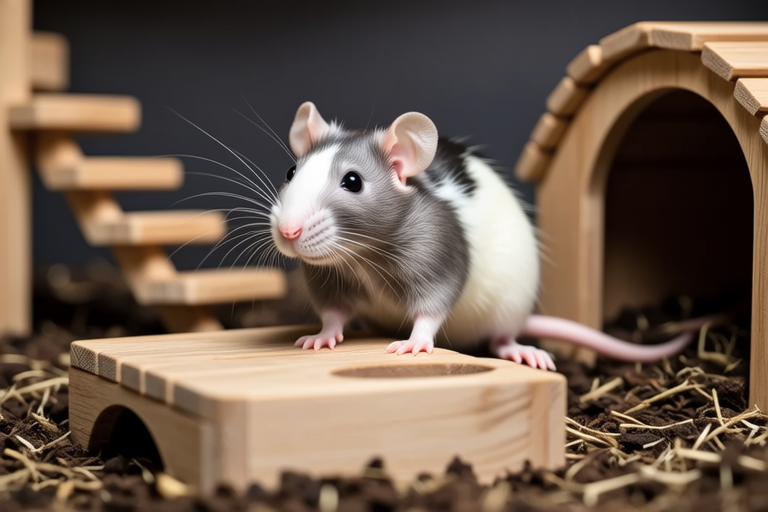
How to Create the Perfect Home for Your Fancy Rat: A Complete Guide
Fancy rats, also known as domesticated brown rats, make wonderful pets due to their intelligence, sociability, and playful nature. Providing them with an optimal living environment is crucial for their well-being. This comprehensive guide will walk you through everything you need to know about creating the perfect home for your fancy rat.
Choosing the Right Cage Size and Type
The first step in setting up your rat’s home is selecting an appropriate cage. Rats are active creatures that require ample space to move around and exercise. The minimum recommended cage size for one rat is approximately 36 inches long by 18 inches wide by 18 inches high. However, if you have multiple rats, consider getting a larger cage or providing additional living spaces.
There are several types of cages available, including wire cages, glass aquariums, and custom-built enclosures. Wire cages offer better ventilation and easier access for cleaning but may pose a risk of injury from sharp edges or small gaps. Aquariums provide excellent protection against drafts and noise but can become stuffy if not properly ventilated. Custom-built enclosures allow for maximum customization and can be tailored to meet your rat’s specific needs.
Essential Bedding Materials
Choosing the right bedding material is vital for your rat’s comfort and health. Avoid cedar and pine shavings as they contain aromatic oils that can irritate your rat’s respiratory system. Instead, opt for safer alternatives like paper-based bedding, recycled newspaper products, or aspen shavings. These options are dust-free, absorbent, and easy to clean.
In addition to bedding, consider adding soft nesting materials such as fleece blankets or fabric hammocks. These items provide extra comfort and help your rat feel secure. Make sure any fabric used is free of loose threads or small parts that could cause choking hazards.
Necessary Toys and Accessories for Mental Stimulation
Rats are highly intelligent animals that thrive on mental stimulation. Provide a variety of toys and accessories to keep your pet entertained and engaged. Tunnel systems, chewable blocks, and puzzle feeders are excellent choices. Tunnel systems encourage exploration and play, while chewable blocks help maintain dental health. Puzzle feeders challenge your rat’s problem-solving skills and reward them with treats.
Additionally, consider adding climbing structures like wooden ladders or rope bridges. These items promote physical activity and mimic natural behaviors. Rotate toys regularly to prevent boredom and stimulate curiosity.
Proper Food and Water Dispensers
Feeding your rat properly is essential for its overall health. Invest in quality food bowls designed specifically for small animals. Stainless steel or ceramic bowls are durable and easy to clean. Position the bowl away from areas where droppings might accumulate.
Water dispensers are equally important. Opt for sipper bottles rather than open dishes to minimize contamination and ensure a constant supply of fresh water. Check the bottle daily to ensure it is functioning correctly and refill as needed.
Maintaining Hygiene and Cleaning Schedules
Regular cleaning is crucial for maintaining a healthy living environment for your rat. Remove soiled bedding and droppings daily to prevent odor buildup and bacterial growth. Deep clean the entire cage once a week, thoroughly washing all surfaces with mild soap and warm water. Rinse thoroughly and allow to dry completely before replacing bedding.
To sanitize the cage, use a solution of one part bleach to ten parts water. Let this sit for a few minutes before rinsing thoroughly. Allow the cage to air dry completely before reintroducing your rat.
Temperature and Humidity Control
Keeping your rat’s environment at a comfortable temperature range between 65°F and 75°F (18°C to 24°C) is ideal. Avoid extreme temperatures, as they can stress your pet and lead to health issues. Use a thermometer to monitor the temperature within the cage.
Humidity levels should remain between 40% and 60%. Too much moisture can create mold growth, while too little can cause skin irritation. Consider using a humidifier or dehumidifier if necessary to maintain optimal conditions.
Safe Environmental Enrichment Ideas
Incorporating safe environmental enrichment ideas into your rat’s habitat can enhance their quality of life. Introduce items such as cardboard boxes, tunnels, and climbing structures. These additions encourage exploration and provide mental stimulation. Rotate these items periodically to keep things interesting.
Interactive toys like treat-dispensing balls or puzzles also contribute positively to your rat’s environment. These items engage their minds and reward them with treats, promoting both physical and mental well-being.
Tips for Introducing New Elements into the Habitat
Introducing new elements gradually allows your rat to acclimate comfortably. Start by placing unfamiliar items outside the cage, allowing your pet to investigate at their own pace. Once they show interest, slowly introduce the item inside the enclosure under supervision.
Monitor your rat closely during this process to ensure they react positively. If any signs of distress or discomfort arise, remove the item immediately and try again later. Patience is key when introducing new elements, ensuring a smooth transition for your pet.
Creating the perfect home for your fancy rat involves careful consideration of various factors, from choosing the right cage size and type to maintaining hygiene and providing adequate mental stimulation. By following this comprehensive guide, you’ll be well-equipped to provide your pet with a safe, comfortable, and enriching living environment. Remember, a happy rat is a healthy rat, so take time to understand and meet their individual needs.
