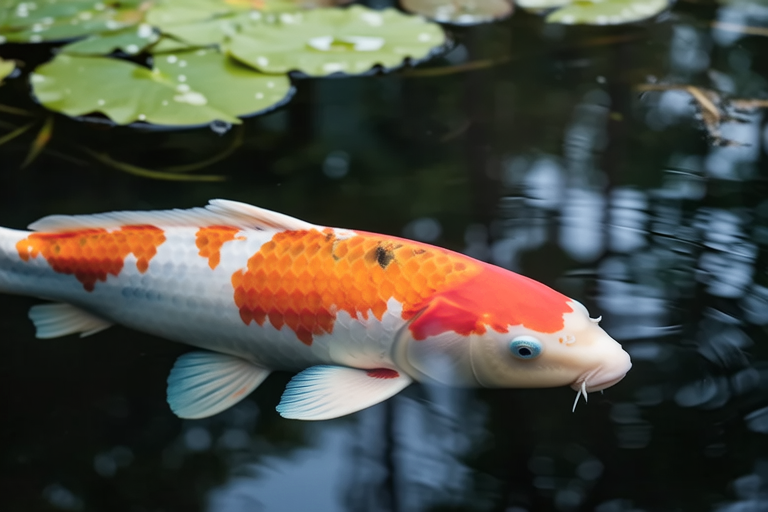
Koi Tales: Inspiring Stories of Love and Bonding with These Majestic Fish
For centuries, koi fish have captivated the hearts and minds of people around the world. Known for their vibrant colors and graceful movements, koi are more than just beautiful creatures; they are companions that can form deep emotional bonds with their human caretakers. This article delves into the fascinating world of koi, sharing inspiring stories of love and bonding, exploring the rich history and cultural significance of these majestic fish, and offering tips on how to care for them.
The History and Cultural Significance of Koi
Koi, or Nishikigoi, have a long and storied history, particularly in Japan. Originating from common carp, koi were first domesticated in China over 2,000 years ago. Over time, they made their way to Japan, where selective breeding led to the development of the colorful varieties we know today. In Japanese culture, koi symbolize good fortune, perseverance, and strength. The most famous koi legend is that of Kohaku, a white and red koi who swam upstream against strong currents, eventually reaching the top of the waterfall. This story has become a metaphor for overcoming obstacles and achieving one’s goals.
In other cultures, koi hold similar symbolic meanings. In Chinese mythology, koi are associated with good luck and prosperity. In Korea, koi are believed to bring happiness and success. These cultural associations have contributed to the global popularity of koi, making them a beloved addition to gardens, ponds, and aquariums worldwide.
Real-Life Stories of Love and Bonding
One of the most touching stories comes from Sarah, a koi enthusiast from California. She shares the tale of her bond with a particular koi named Lotus. “Lotus was the first koi I ever cared for,” Sarah recalls. “She had a unique pattern of orange and white scales, and she always seemed to know when I was nearby. Whenever I approached the pond, Lotus would swim up to the surface and wait for me to feed her. After a while, she began to recognize my voice and would respond by swimming faster. It was as if she was greeting me.”
Another story comes from John, who lives in England. He adopted a koi named Bluebell after she was abandoned at a local pond. “Bluebell was a shy fish at first,” John says. “But with patience and gentle feeding, she gradually became more comfortable around me. Now, she swims right up to the edge of the pond whenever I’m there, and I can often hear her splashing as she tries to get closer. It’s a beautiful moment, and it reminds me of the importance of compassion and care.”
These stories illustrate the deep emotional connections that can develop between humans and koi. While some may view koi as merely decorative, those who have spent time with them understand the unique personalities and behaviors that make each fish special.
The Unique Personalities of Koi
One of the most remarkable aspects of koi is their individuality. Just like dogs or cats, each koi has its own distinct personality. Some are outgoing and playful, while others are more reserved and cautious. Understanding and respecting these differences is key to forming a strong bond with your koi.
For instance, Sarah’s Lotus was known for her curiosity and adventurous spirit. She would often explore new areas of the pond, sometimes venturing into parts that were less familiar. Meanwhile, John’s Bluebell was more cautious, preferring to stay close to familiar territory. Recognizing and respecting these differences allows caretakers to provide the best possible environment for their koi.
Koi also exhibit a range of behaviors that reflect their emotions and needs. For example, a koi that is hungry might swim rapidly near the surface, while a koi that is stressed or ill may hide in the corners of the pond or avoid interaction with its caretaker. Learning to read these signals is an important part of caring for koi.
Tips for Caring for Koi and Creating a Nurturing Environment
Creating a nurturing environment for your koi is essential for their health and well-being. Here are some tips to help you care for your koi and ensure they thrive:
- Proper Filtration: A well-functioning filtration system is crucial for maintaining clean water. Regular maintenance of the filter will help prevent harmful bacteria and algae from developing.
- Feeding: Feed your koi a balanced diet that includes pellets, flakes, and occasional treats like shrimp or insects. Be careful not to overfeed, as excess food can lead to poor water quality.
- Water Quality: Regularly test the water for pH, ammonia, nitrite, and nitrate levels. Maintaining optimal water conditions is vital for the health of your koi.
- Temperature: Koi prefer water temperatures between 64°F and 77°F (18°C and 25°C). Avoid sudden temperature changes, which can stress the fish.
- Hiding Spots: Provide plenty of hiding spots such as rocks, plants, and shelters. These areas offer protection and reduce stress for your koi.
The Therapeutic Benefits of Keeping Koi
Keeping koi can be a deeply rewarding experience, providing numerous therapeutic benefits. Observing the graceful movements of koi can be calming and meditative, offering a peaceful escape from the stresses of daily life. Many find that spending time with their koi helps reduce anxiety and promotes relaxation.
Moreover, the act of caring for koi encourages mindfulness and patience. Watching koi grow and thrive requires attention to detail and a commitment to their well-being. This process can foster a sense of accomplishment and satisfaction, contributing to overall mental health.
Whether you’re a seasoned koi enthusiast or a newcomer to the world of koi, these majestic fish have much to offer. Their beauty, intelligence, and ability to form deep bonds with their caretakers make them cherished companions for many.
Conclusion
Koi tales are filled with stories of love, bonding, and the joy that these magnificent fish bring to their caretakers. From their rich history and cultural significance to their unique personalities and therapeutic benefits, koi have much to offer. By understanding and respecting the needs of your koi, you can create a nurturing environment that allows them to flourish. Whether you’re a seasoned koi keeper or just beginning your journey, there is much to learn and enjoy in the world of koi.
