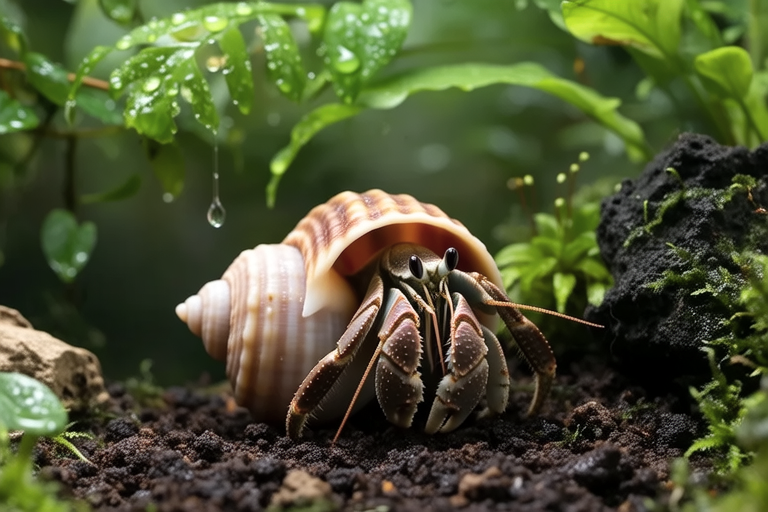
How to Create a Perfect Habitat for Your Shy Hermit Crab Companion
Welcome to the fascinating world of hermit crabs! These unique creatures have captivated many pet owners with their quirky personalities and charming behaviors. While they might seem simple to care for, creating the perfect habitat for your hermit crab companion requires attention to detail and a bit of knowledge. This guide will walk you through everything you need to know about setting up the ideal environment for your shy hermit crab, ensuring they thrive and remain healthy.
Understanding Your Shy Hermit Crab
Hermit crabs are nocturnal animals, which means they are most active during the night. They are also quite shy and prefer to hide in their shells or burrow into the substrate when feeling threatened or stressed. Understanding these traits is crucial in providing them with a safe and comfortable habitat. Hermit crabs are social creatures but can be kept singly if necessary; however, it is recommended to have at least two hermit crabs to encourage natural behavior.
Choosing the Right Tank
The first step in creating the perfect habitat for your hermit crab is selecting an appropriate tank. A glass aquarium is ideal, as it allows for better heat distribution and provides clear visibility. The size of the tank depends on how many hermit crabs you plan to keep. As a general rule, each hermit crab requires at least 3 gallons of space. However, a larger tank will allow more room for exploration and play, making it easier for your crabs to interact and maintain their natural behaviors.
Providing the Correct Substrate
The substrate is one of the most important aspects of your hermit crab’s habitat. It serves as their primary living area, providing comfort and security. There are several options available, but coconut fiber (coir) is often recommended due to its ability to retain moisture and promote a humid environment. Other suitable substrates include marine sand or crushed coral. Avoid using gravel, as it can be harmful if ingested by your hermit crabs.
Maintaining Optimal Temperature and Humidity Levels
Hermit crabs are tropical creatures and require specific environmental conditions to thrive. The ideal temperature range for a hermit crab tank is between 75°F and 85°F (24°C and 29°C). You can achieve this by using a combination of under-tank heating pads and ambient room temperature. A digital thermometer placed inside the tank will help monitor the temperature and ensure it remains within the desired range.
Humidity is equally important, as hermit crabs absorb water through their gills. The optimal humidity level for a hermit crab tank is between 70% and 80%. To maintain this, consider using a hygrometer to measure humidity levels and a misting system to add moisture to the air. Additionally, placing a shallow water dish in the tank will allow your hermit crabs to drink and soak, further contributing to their overall health.
Creating Safe Hiding Spots
Hiding spots are essential for your hermit crab’s well-being. These spaces provide a sense of security and allow your crabs to retreat when feeling threatened or stressed. Natural materials such as driftwood, cork bark, and hollow logs make excellent hiding spots. Ensure that any items you introduce into the tank are free from pesticides and chemicals, as these can be harmful to your hermit crabs.
It’s also a good idea to provide multiple hiding spots to accommodate all your hermit crabs. This will reduce competition and stress, allowing each crab to find a suitable place to rest. Be creative with your hiding spots, as hermit crabs enjoy exploring and discovering new areas within their habitat.
Selecting Appropriate Tank Mates
While hermit crabs are generally peaceful, it’s essential to choose compatible tank mates carefully. Some species of hermit crabs can coexist peacefully, while others may engage in aggressive behavior. Research the specific species of hermit crabs you plan to keep together to ensure compatibility. If you’re unsure, it’s best to house hermit crabs of the same species or similar sizes to avoid conflicts.
In addition to hermit crabs, other small, non-aggressive creatures like dwarf shrimp or certain species of snails can make suitable tank mates. These animals can help maintain the cleanliness of the tank and provide companionship for your hermit crabs. Always research thoroughly before introducing any new species to your tank to ensure they will coexist harmoniously.
Regular Maintenance and Cleaning
Regular maintenance is crucial for keeping your hermit crab’s habitat clean and healthy. Perform a thorough cleaning of the tank every few weeks, removing any uneaten food, waste, and debris. Replace the substrate as needed to prevent the buildup of harmful bacteria. During cleaning, be gentle and avoid disturbing your hermit crabs too much. They may become stressed if their environment is frequently disrupted.
Water dishes should be cleaned and refilled daily to ensure fresh, clean water is always available for your hermit crabs. This is especially important for maintaining proper hydration and preventing the growth of harmful bacteria. Regularly check the condition of your hermit crabs’ shells, replacing any that show signs of damage or wear. Providing a variety of shell sizes and shapes will encourage natural molting and ensure your hermit crabs can find suitable replacements.
Ensuring Your Hermit Crab’s Health and Happiness
To ensure the health and happiness of your hermit crab, it’s important to provide a balanced diet. Hermit crabs are omnivores and enjoy a variety of foods, including fruits, vegetables, and protein sources like fish flakes or boiled eggs. Offer a mix of these foods regularly, ensuring a nutritious and varied diet. Avoid feeding your hermit crabs processed foods or those high in salt, as these can be harmful to their health.
Monitor your hermit crabs closely for any signs of illness or distress. Common symptoms include lethargy, loss of appetite, or difficulty moving. If you notice any of these signs, consult a veterinarian who specializes in exotic pets for advice. Early intervention can prevent more serious health issues and ensure your hermit crabs remain happy and healthy.
Fostering Natural Behavior
Creating a stimulating environment for your hermit crabs is key to fostering natural behavior and keeping them engaged. In addition to hiding spots, consider adding climbing structures, tunnels, and other enriching elements to the tank. These items will encourage exploration and exercise, promoting physical and mental well-being. Rotate toys and enrichment items periodically to keep your hermit crabs interested and stimulated.
Interacting with your hermit crabs can also help foster a bond and encourage natural behavior. Handle them gently and with respect, allowing them time to acclimate to your presence. Over time, they may become more comfortable around you and exhibit more relaxed behaviors.
Conclusion
Caring for hermit crabs is a rewarding experience that brings joy and companionship to pet owners. By following these guidelines and providing a safe, stimulating environment, you can ensure your hermit crab thrives and remains healthy. Remember to regularly monitor and adjust the tank conditions, provide a balanced diet, and offer plenty of opportunities for exploration and interaction. With patience and dedication, you’ll create a perfect habitat for your shy hermit crab companion, allowing them to live a long and happy life.
