Top 10 Fascinating Facts About Koi You Didn’t Know
Koi, known scientifically as Cyprinus carpio, are not just beautiful ornamental fish; they are also rich in history, culture, and biological intrigue. These fish have captivated human interest for centuries, offering more than meets the eye. From their impressive longevity to their intelligent behavior, koi are full of surprises. Here are ten fascinating facts about koi that you might not know.
1. Lifespan: Living Legends
One of the most astonishing aspects of koi is their longevity. In optimal conditions, these fish can live up to 30 years or more. Some records even suggest that certain koi have reached over 200 years of age! This incredible lifespan makes koi one of the longest-lived domesticated animals. Proper care, including clean water, balanced nutrition, and suitable habitat, is crucial for maximizing their longevity.
2. Symbolism: Bridging Cultures
Koi hold significant cultural and symbolic meanings across different parts of the world. In Japan, koi are symbols of strength, perseverance, and good fortune. They are often depicted in art and literature, representing the journey from adversity to success. The red-and-white variety, known as hi, symbolizes love and courage. Meanwhile, in Chinese mythology, koi are associated with perseverance and determination, as legend has it that they swim upstream against strong currents to reach the Dragon Gate, where they transform into dragons.
3. Color Variations: A Kaleidoscope Underwater
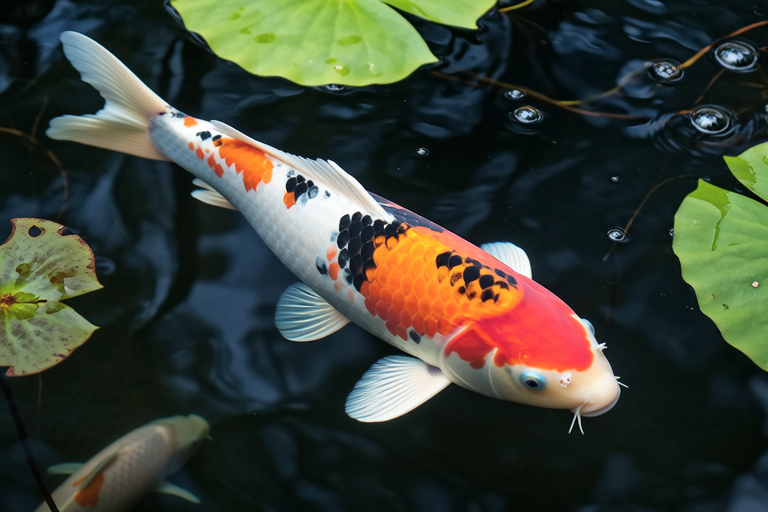
One of the most captivating features of koi is their wide array of colors. Beyond the common red, white, and black, koi come in a spectrum of hues, including blue, yellow, and even metallic shades. These colors result from selective breeding over centuries. Breeders aim for specific patterns and combinations, creating unique varieties like the goromo (white with red patches) and the shiro bekko (white with black spots). Each color and pattern tells a story of human ingenuity and nature’s beauty.
4. Intelligence: Smarter Than They Look
Contrary to popular belief, koi are quite intelligent creatures. They can recognize their owners and even learn to be fed at specific times. Studies have shown that koi possess memory capabilities, allowing them to remember complex tasks and respond to stimuli. Their intelligence is further evidenced by their ability to navigate mazes and solve puzzles. Engaging with koi through interactive feeding can enhance their cognitive abilities and create a stronger bond between fish and caretaker.
5. Breeding Techniques: Art Meets Science
Breeding koi is both an art and a science. Selective breeding has been practiced for centuries to produce desirable traits, such as vibrant colors and intricate patterns. Breeders carefully select pairs based on genetic compatibility, aiming to enhance specific characteristics while minimizing defects. This process requires meticulous attention to detail and a deep understanding of genetics. Modern advancements in biotechnology have introduced new tools for breeders, such as genetic testing and artificial insemination, to improve the efficiency and precision of breeding programs.
6. Dietary Habits: Feeding the Giants
Koi are omnivorous, meaning they eat both plant and animal matter. Their diet typically consists of commercial koi pellets, which provide essential nutrients, vitamins, and minerals. However, koi also enjoy a varied diet, including vegetables, fruits, and occasional treats like shrimp or worms. It’s important to note that overfeeding can lead to health issues, so maintaining a balanced diet and portion control are key. Seasonal changes may also affect their dietary needs, with koi requiring less food during colder months when their metabolism slows down.
7. Historical Significance: From Carp to Koi
The history of koi dates back thousands of years. Originally native to Asia, koi were domesticated from common carp in ancient China and later refined in Japan. Over time, they evolved from simple farm animals used for food to revered ornamental fish. The transformation of carp into koi is a testament to human creativity and appreciation for natural beauty. Today, koi are celebrated in festivals, exhibitions, and competitions around the world, showcasing the enduring legacy of this remarkable fish.
8. Environmental Needs: Creating Ideal Habitats
To thrive, koi require specific environmental conditions. They prefer large, well-aerated ponds with plenty of space to swim. Water quality is critical, with optimal parameters including temperature between 64°F and 77°F (18°C and 25°C), pH levels between 7.2 and 8.0, and low ammonia and nitrite levels. Additionally, koi benefit from structured habitats with plants, rocks, and hiding spots to mimic their natural environment. Regular maintenance, including water changes and filtration, ensures a healthy living space for these magnificent fish.
9. Mythological References: Legends and Lore
Koi feature prominently in many mythologies, adding an air of mystique to these already fascinating creatures. In Japanese folklore, koi are believed to be messengers from the spirit world, guiding souls to the afterlife. They are also associated with fertility and prosperity, making them popular subjects in traditional art. In Chinese mythology, the koi’s journey to the Dragon Gate symbolizes the triumph of hard work and dedication. These stories reflect the deep respect and admiration people have for koi throughout history.
10. Surprising Behaviors: Adaptations and Traits
Despite their gentle appearance, koi exhibit surprising behaviors and adaptations. One notable trait is their ability to jump out of the water, often seen leaping high above the surface. While the exact reasons for this behavior remain unclear, it may be related to communication, territorial displays, or even playfulness. Another intriguing adaptation is their lateral line system, which helps them detect vibrations in the water, aiding in navigation and predator avoidance. Observing these behaviors can provide endless entertainment for koi enthusiasts and deepen their appreciation for these extraordinary fish.
Conclusion: Understanding Koi for Enthusiasts
From their long lifespans and vibrant colors to their intelligent behavior and cultural significance, koi offer a wealth of fascination for both novices and seasoned aquarists. By understanding these lesser-known facts, enthusiasts can better appreciate the complexity and beauty of koi. Whether you’re a casual admirer or a dedicated breeder, delving into the world of koi reveals a rich tapestry of history, biology, and culture. Embracing these insights will enhance your experience with these magnificent creatures and contribute to their well-being in your care.
