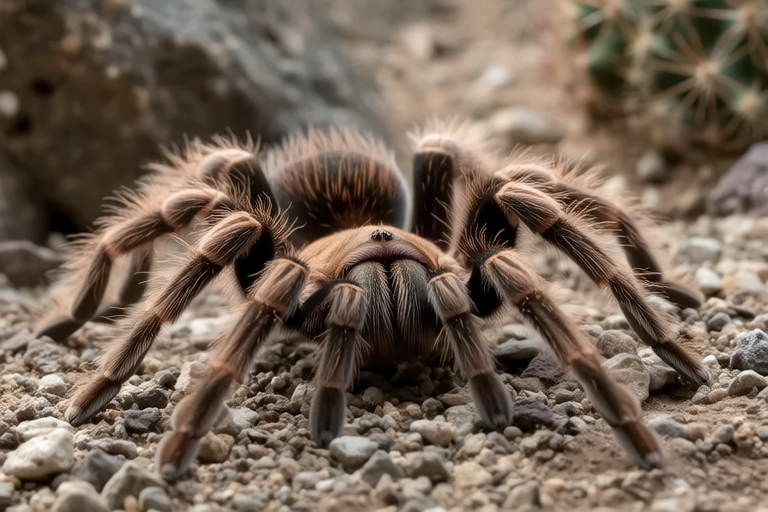
Tarantulas as Pets: Everything You Wanted to Know
Welcome to the fascinating world of tarantulas! These captivating arachnids have long been a source of intrigue and wonder for many animal enthusiasts. Whether you’re a seasoned pet owner or just starting your journey into exotic pets, this comprehensive guide will provide you with everything you need to know about keeping tarantulas as pets. From selecting the right species to understanding their care requirements, we’ve got you covered.
Choosing the Right Tarantula Species
The first step in becoming a responsible tarantula owner is choosing the right species. With over 900 known species, it’s important to select one that matches your experience level and living environment. For beginners, it’s recommended to start with a species that is easy to care for and has a docile temperament.
- Barking Spider (Acanthoscurria geniculata): Known for its unique defensive behavior, the Barking Spider makes a great starter pet due to its hardiness and ease of care.
- Costa Rican Zebra (Aphonopelma seemanni): This species is highly adaptable and requires minimal maintenance, making it ideal for new owners.
- Rusty Red (Hapalopus leucogramma): A smaller, more manageable size and a gentle nature make this tarantula perfect for those looking for a low-maintenance pet.
Each species has its own unique characteristics, so be sure to research thoroughly before making your decision.
Housing Requirements
Creating the perfect habitat for your tarantula is crucial for its well-being. The enclosure should mimic the natural environment of the species you have chosen, providing both comfort and security.
Enclosure Size: Generally, a terrarium with dimensions of at least 3 times the leg span of the tarantula in length and 2 times the leg span in width is recommended. For example, a 12-inch tarantula would require a tank that is at least 36 inches long and 24 inches wide.
Substrate: A deep layer of substrate is essential for burrowing and humidity regulation. Suitable substrates include coconut fiber, peat moss, and vermiculite. The substrate should be kept moist but not soggy to maintain optimal humidity levels.
Humidity and Temperature: Most tarantulas thrive in a temperature range of 75-85°F (24-29°C) and humidity levels between 60-80%. Use a hygrometer to monitor humidity and a thermometer to keep track of temperature. Proper ventilation is also necessary to prevent mold growth.
Decorations: Provide hiding spots such as cork bark, logs, or artificial caves. These help reduce stress and allow your tarantula to feel secure.
