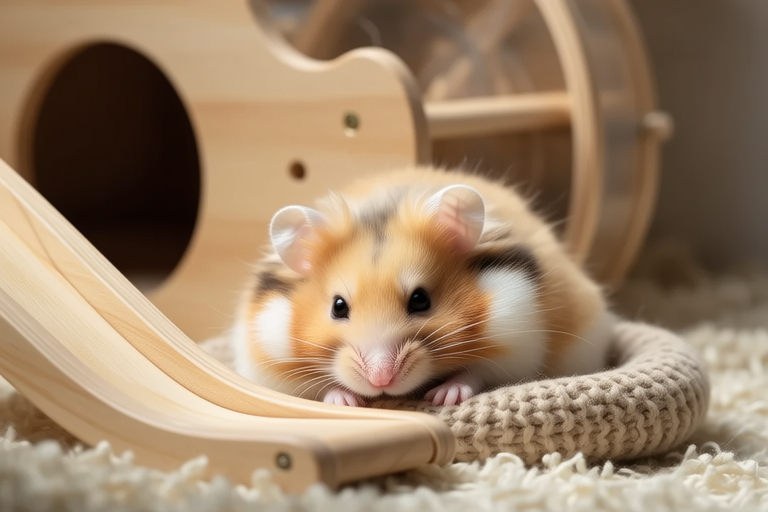
From Playtime to Sleep: Understanding the Daily Routines of Your Hamster
Understanding your hamster’s daily cycle is crucial for ensuring their well-being and happiness. These small creatures have specific needs and behaviors that can be better met when you align your care routine with their natural schedule. By learning about their waking hours, playtime activities, feeding habits, and sleeping patterns, you’ll become a more informed and attentive owner. Let’s delve into the world of hamsters and explore how to provide the best care possible.
The Importance of Understanding Your Hamster’s Daily Cycle
Your hamster’s daily routine is not just a series of activities; it’s a vital aspect of their health and happiness. Hamsters are nocturnal animals, meaning they are most active during the night. This behavior is rooted in their evolutionary history as desert-dwelling creatures, where nighttime activity helped them avoid the harsh daytime heat. Understanding this cycle allows you to anticipate their needs and provide a stimulating environment that mimics their natural habitat.
Typical Waking Hours and Natural Behaviors During Playtime
Hamsters typically wake up around dusk and remain active throughout the night. During this time, they engage in various activities that keep them both physically and mentally stimulated. One of the most common behaviors is running on their exercise wheels. A hamster’s wheel is not just a toy but a necessity for maintaining their physical fitness. On average, a hamster can run several miles each night, which helps them burn calories and maintain muscle tone.
In addition to running, hamsters enjoy exploring their environment. Providing tunnels, platforms, and other enriching toys will encourage this natural behavior. Exploration is crucial for hamsters as it helps them feel secure in their surroundings and reduces stress. You can create a stimulating play area by adding items like cardboard tubes, wooden chew toys, and even a small hideaway. Just remember to rotate these items periodically to keep things fresh and exciting.
Feeding Habits and Dietary Needs
Proper nutrition is essential for your hamster’s health. Their diet should consist of a balanced mix of seeds, pellets, fruits, and vegetables. High-quality commercial hamster food provides a good foundation, but supplementing with fresh produce can enhance their diet. It’s important to introduce new foods gradually to prevent digestive issues. Fruits and vegetables like carrots, apples, and leafy greens are great options, but always ensure they are washed thoroughly and given in moderation.
Optimal feeding times align with their natural activity periods. Since hamsters are nocturnal, they tend to eat more during the evening and early morning hours. This means you should offer their main meal in the late afternoon or early evening, allowing them to nibble throughout the night. Smaller, lighter snacks can be provided during the day if needed, but avoid overfeeding as it can lead to obesity. Always provide fresh water in a sipper bottle or bowl, checking it regularly to ensure it remains clean and full.
Sleeping Patterns: Hibernation Myths and Normal Sleep Cycles
One common misconception among hamster owners is that their pets hibernate. In reality, hamsters do not hibernate in the traditional sense. Instead, they may enter a state called torpor, where they reduce their activity levels and body temperature to conserve energy. This behavior is more likely to occur in environments with extreme temperature changes or insufficient resources.
Normal sleep cycles for hamsters involve periods of rest interspersed with brief bursts of activity. They spend a significant portion of their day sleeping, often in cozy burrows or nests they create within their cage. Providing a comfortable nesting area with soft bedding materials like shredded paper or fleece is important for their comfort and well-being. Ensure the sleeping area is quiet and away from direct light sources to promote restful sleep.
Tips for Aligning Care Routines with Your Hamster’s Natural Schedule
To ensure your hamster leads a healthy and happy life, it’s essential to adjust your care routine to match their natural schedule. Here are some practical tips:
- Playtime: Schedule interactive play sessions during the evening when your hamster is most alert and active. Use this time to engage them with toys and games that stimulate their senses and encourage physical activity.
- Feeding: Offer their main meal in the late afternoon or early evening, allowing them to graze throughout the night. Keep treats and snacks to a minimum, especially during daylight hours.
- Quiet Time: Maintain a peaceful environment during the day, minimizing noise and disturbances. This will help your hamster rest and recharge for their nightly activities.
- Cleaning: Perform cage cleaning and maintenance tasks during the day when your hamster is less active. This reduces stress for both you and your pet.
By following these guidelines, you can create a harmonious living situation that benefits both you and your hamster. Remember, a happy hamster is one that feels safe, stimulated, and well-fed. With a little knowledge and effort, you can provide the best care possible and enjoy a rewarding relationship with your tiny companion.
