Unique Characteristics of Orange Cats
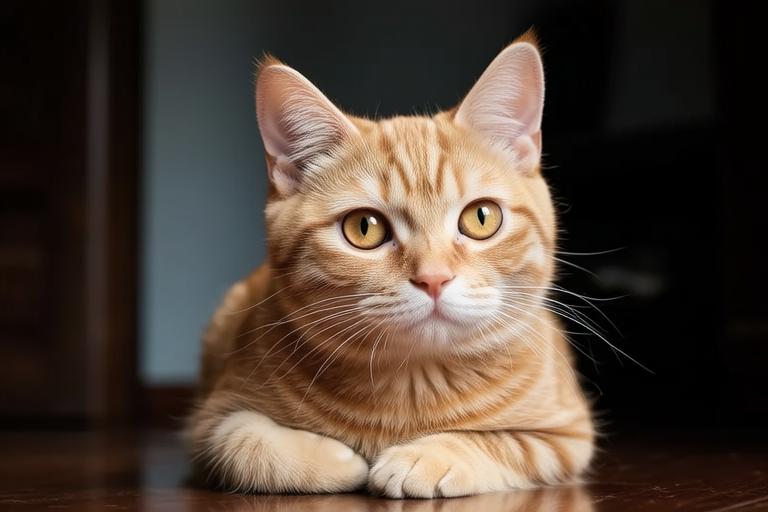
Orange cats, often referred to as ginger or marmalade cats, are beloved for their striking appearance and distinctive personalities. Their golden eyes and bright coats make them stand out among other feline companions. This article delves into the genetic factors that create their stunning appearance, explores the history and prevalence of orange cats across various breeds, and provides scientific insights into the genetics behind their eye color. Additionally, we’ll discuss common behavioral traits, cultural representations, and offer tips for caring for these special cats.
The Genetic Factors Behind Golden Eyes
The striking golden eyes of orange cats are primarily due to a genetic mutation that affects both their coat color and eye pigmentation. This mutation is linked to the orange gene, also known as the O gene. The O gene is located on the X chromosome, which explains why orange cats are predominantly male (since males have one X and one Y chromosome, while females have two X chromosomes).
The O gene is responsible for producing red pigment in the skin, fur, and eyes. When this gene is present, it replaces the black pigment in the cat’s coat, resulting in the characteristic orange color. The same gene also influences the production of melanin in the iris, leading to the deep, golden hue of their eyes. However, the exact shade of gold can vary depending on the individual cat’s genetic makeup and environmental factors.
History and Prevalence Across Different Breeds
Orange cats have been part of human society for centuries, with evidence of their existence dating back to ancient Egypt. These cats were often kept as pets and revered for their beauty and hunting abilities. Over time, orange cats became popular across various cultures, and they are now found in many different breeds.
Some of the most common breeds featuring orange cats include the Maine Coon, British Shorthair, Persian, and Bengal. In some cases, such as the Siamese and Burmese breeds, orange cats are less common but still exist within the breed’s gene pool. The prevalence of orange cats varies by breed, with certain breeds being more likely to produce orange kittens than others.
Scientific Insights Into Eye Color Genetics
The genetics behind eye color in cats are complex and involve multiple genes. While the O gene is responsible for the orange coat color and golden eyes, other genes play a role in determining the exact shade of the eyes. For instance, the E gene controls the amount of melanin produced in the iris, which can affect the intensity of the eye color.
In addition to the O and E genes, there are other genetic factors that can influence eye color. These include the A gene, which determines whether a cat will be solid-colored or tabby-patterned, and the B gene, which affects the depth of color in the coat and eyes. The interaction between these genes can result in a wide range of eye colors, from pale green to dark brown, even within the same litter of orange kittens.
Behavioral Traits Commonly Associated With Orange Cats
Orange cats are often described as having distinct personalities, though it’s important to remember that each cat is an individual. Some common behavioral traits associated with orange cats include being friendly, affectionate, and outgoing. They tend to be social animals who enjoy interacting with their human companions and other pets.
Many orange cats are also known for their playful nature and curiosity. They may be more active during the day, seeking out new experiences and engaging in interactive play. However, like all cats, their behavior can vary depending on their environment, upbringing, and individual temperament.
Cultural Representations of Orange Cats
Orange cats have been featured in various forms of media, from literature to film and television. One famous example is Garfield, the cartoon character created by Jim Davis, who has become an iconic symbol of orange cats worldwide. Garfield’s love for lasagna and disdain for Mondays have endeared him to audiences around the globe.
Another notable representation of orange cats in popular culture is Cheshire Cat from Lewis Carroll’s “Alice’s Adventures in Wonderland.” The Cheshire Cat’s mysterious smile and ability to disappear and reappear at will have made him a memorable character in literature and film adaptations.
Tips for Caring for an Orange Cat With Golden Eyes
Caring for an orange cat with golden eyes involves providing proper nutrition, regular veterinary care, and maintaining good hygiene practices. Here are some tips to help ensure your orange cat stays healthy and happy:
- Dietary Needs: Orange cats, like all cats, require a balanced diet rich in protein, fat, and essential nutrients. Look for high-quality cat food that meets the nutritional requirements for your cat’s age, size, and activity level. Consult with your veterinarian to determine the best diet for your cat.
- Eye Care: Because of their sensitive eyes, orange cats may be more prone to eye infections or irritation. Regularly check your cat’s eyes for signs of discharge, redness, or discomfort. If you notice any issues, consult with your veterinarian promptly.
- Health Considerations: Orange cats may be more susceptible to certain health conditions, such as polycystic kidney disease (PKD) in breeds like the Persian and Bengal. Keep an eye out for symptoms and schedule regular check-ups with your veterinarian to catch any potential issues early.
Reflection on Why These Cats Captivate Human Hearts So Profoundly
Orange cats, with their striking golden eyes and vibrant coats, have long captivated human hearts. Their unique appearance and gentle demeanor make them irresistible companions. Whether it’s their playful nature, affectionate behavior, or simply their beauty, orange cats have a way of winning over people’s hearts.
The combination of genetics, history, and cultural significance contributes to the enduring appeal of orange cats. Their presence in our lives brings joy and comfort, and they continue to inspire admiration and affection in people around the world.
