Meet the Rare Hotot Rabbit: A Black Pearl Among Pets
The world of rabbits is vast and varied, offering countless breeds to suit different tastes and lifestyles. Among these, the Hotot rabbit stands out as a true gem, often referred to as the “black pearl” of the rabbit community. This article delves into the unique features, history, and care requirements of this rare and enchanting breed, providing valuable insights for both current and prospective pet owners.
A Unique Physical Appearance
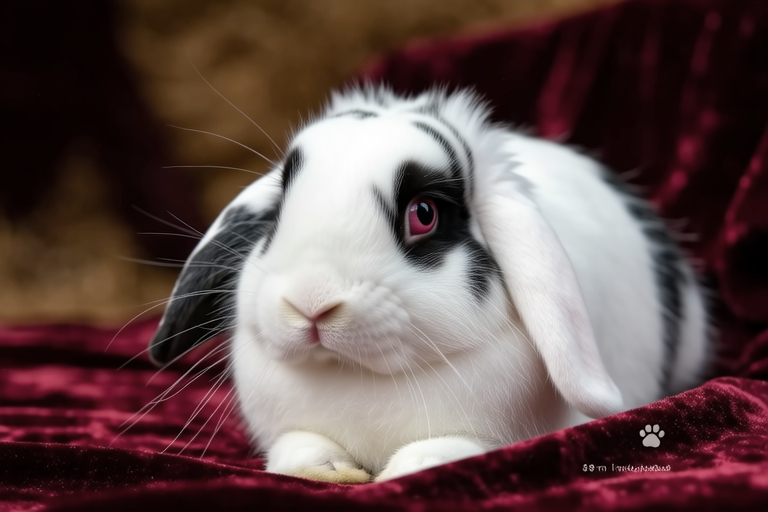
At first glance, the Hotot rabbit is strikingly beautiful. It boasts a dense, short coat of pure white fur that glistens under light, making it look almost ethereal. However, it is the breed’s signature feature – the black rings around its eyes – that truly sets it apart. These dark circles give the Hotot a striking resemblance to a raccoon, earning it the nickname “the rabbit with raccoon eyes.” The contrast between the white fur and the black eye rings is so pronounced that it can be hard to look away once you’ve seen it.
The Hotot’s body is compact and well-proportioned, with a broad head and strong, muscular legs. They have a slightly arched back, giving them a graceful silhouette. Their ears are medium-sized and stand erect, adding to their alert and lively appearance. The combination of their white fur and distinctive eye rings makes the Hotot one of the most visually appealing rabbit breeds.
Origin and History
The Hotot rabbit originated in France at the beginning of the 20th century. It was developed by Eugenie Bernhard, who aimed to create a breed that would be both aesthetically pleasing and commercially viable. She began her breeding program with a cross between the Blanc de Hotot and the Checkered Giant, two already established breeds. Her goal was to produce a rabbit with a completely white coat and prominent black eye rings.
Despite initial success, the Hotot rabbit faced numerous challenges over the years. World War II significantly reduced the number of Hotots, and after the war, there was a shift towards larger breeds that were more profitable for meat production. This led to a decline in the popularity of the Hotot, and by the mid-20th century, the breed was nearly extinct.
Fortunately, dedicated breeders in North America took up the mantle and worked tirelessly to revive the Hotot rabbit. Their efforts have been successful, but the breed remains rare today. According to the American Rabbit Breeders Association (ARBA), the Hotot is listed as a rare breed, which means fewer than 100 registrations per year.
Temperament and Care Requirements
Hotot rabbits are known for their friendly and gentle nature. They are social animals that thrive on interaction with their human companions. They enjoy being petted and handled, making them ideal pets for families with children. Their calm demeanor also makes them good candidates for apartment living, provided they have adequate space to move around.
When it comes to exercise, Hotots need plenty of opportunities to stretch their legs and explore their surroundings. A spacious indoor cage or outdoor hutch is essential for their physical and mental well-being. Providing toys and tunnels within their enclosure can help stimulate their curiosity and prevent boredom.
Diet is another crucial aspect of caring for a Hotot rabbit. Their diet should consist primarily of hay, supplemented with fresh vegetables and a small amount of pellets. Fresh water should always be available. It’s important to avoid feeding them foods that could cause digestive issues, such as fruits high in sugar or leafy greens like lettuce.
Challenges and Considerations for Owners
While the Hotot rabbit is a wonderful pet, there are some challenges and considerations for potential owners to keep in mind. One of the primary concerns is their rarity, which can make finding a breeder or adopting one more difficult. Prospective owners should be prepared to search extensively and may need to wait longer than usual to bring home a Hotot.
Another consideration is the breed’s grooming needs. While their short fur requires minimal maintenance, they still need regular brushing to remove loose hair and prevent matting. Additionally, their black eye rings can sometimes attract dirt or discharge, requiring gentle cleaning with a damp cloth.
Lastly, it’s important to note that the Hotot rabbit has specific health concerns due to its genetics. Some individuals may be prone to certain genetic disorders, such as skin conditions or reproductive issues. Regular veterinary check-ups and a healthy diet can help mitigate these risks.
Finding a Hotot Rabbit
For those interested in adding a Hotot rabbit to their family, there are several avenues to explore. Reputable breeders can be found through local rabbit clubs or online forums dedicated to the breed. These resources can provide valuable information about available litters and responsible breeding practices.
Adoption is another option to consider. Animal shelters and rescue organizations occasionally have Hotots available for adoption. Adopting a rescued rabbit can be a rewarding experience, as it provides a loving home to an animal in need.
A Special Addition to Any Pet Family
The Hotot rabbit stands out as a special addition to any pet family. Its unique appearance, combined with its friendly and gentle nature, makes it a charming companion for those who appreciate the beauty and grace of small animals. Whether you’re an experienced rabbit owner or new to the world of pet rabbits, the Hotot offers a delightful experience that will bring joy and companionship to your home.
In conclusion, the Hotot rabbit is more than just a pet; it’s a piece of history and a symbol of dedication from those who worked to preserve this rare and beautiful breed. With proper care and attention, a Hotot rabbit can become a cherished member of your family, providing years of companionship and wonder.
