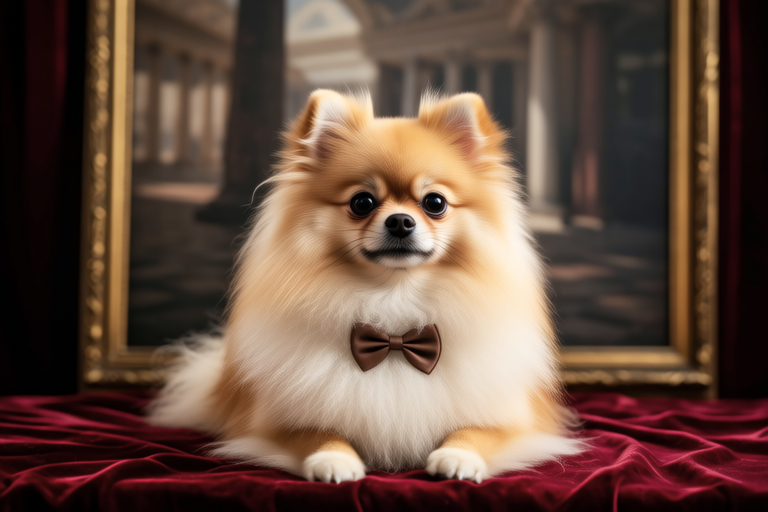
From Palace Pets to Pocket Pal: A Brief History of Pomeranians
The Pomeranian, often affectionately known as the “Pocket Pal,” has a rich and storied history that spans centuries. This diminutive yet spirited breed has captured the hearts of many, from ancient royalty to modern pet lovers. In this article, we will explore the origins of Pomeranians, their rise to prominence in royal courts, their transformation into smaller sizes, and their current status as cherished companions.
Origins and Early History
The history of Pomeranians can be traced back to the region of Pomerania, which lies between the southern Baltic Sea and the River Oder. These dogs were originally much larger than the ones we see today, similar in size to a Samoyed or Spitz. They were bred primarily as herding dogs and watchdogs, guarding flocks and homes from potential threats.
The earliest records of these dogs date back to the 16th century, when they were introduced to England. The breed quickly gained popularity among the aristocracy, becoming a favorite among European nobility. Their loyalty, intelligence, and striking appearance made them ideal companions for the elite.
Royal Favor and Popularity
Pomeranians found their way into the lives of many notable figures throughout history. One of the most famous owners was Queen Victoria, who played a pivotal role in the breed’s development. When she acquired a Pomeranian named ‘Marco’ during her stay in Florence in 1888, she fell in love with the breed and began to breed them herself. Queen Victoria’s influence helped establish the Pomeranian as a fashionable pet among the British upper class.
Other royals also took a liking to Pomeranians. King Louis XVI and Marie Antoinette of France were known to have owned the breed. Marie Antoinette even carried her Pomeranian with her to the guillotine, symbolizing the deep bond she had with her pet.
The breed’s popularity among the royal families of Europe helped solidify its reputation as a noble and elegant companion. Pomeranians were often seen accompanying their owners on grand tours and social events, further enhancing their prestige.
The Transformation to Smaller Sizes
Over time, the Pomeranian underwent significant changes, particularly in size. Breeders began to select for smaller specimens, resulting in the compact and energetic dogs we know today. By the early 20th century, the breed had been standardized into its current form, with an average weight of around 3-7 pounds.
This transformation did not diminish the breed’s appeal; rather, it expanded their reach to a broader audience. The smaller size made them more suitable for city living and apartment dwellers, leading to increased adoption rates. Today, Pomeranians are beloved pets worldwide, cherished for their playful nature and affectionate demeanor.
Physical Characteristics and Temperament
Pomeranians are known for their distinctive appearance, characterized by their double coat, which comes in a variety of colors. Their thick, fluffy fur requires regular grooming to maintain its luxurious look. Their small stature belies their bold and lively personalities.
Temperament-wise, Pomeranians are known for being intelligent, alert, and confident. They are quick learners and can be trained to perform various tricks. However, they can also be stubborn at times, requiring patience and consistency from their handlers. Despite their small size, Pomeranians are fearless and make excellent watchdogs, barking loudly at strangers or perceived threats.
Health Considerations
While Pomeranians are generally healthy dogs, they are prone to certain health issues. One of the most common problems is dental disease, which can be mitigated through regular brushing and professional cleanings. Another concern is luxating patella, a condition where the kneecap dislocates, often requiring surgical intervention.
Due to their small size, Pomeranians are also susceptible to hypoglycemia, especially in puppies. Owners must ensure their pets receive adequate nutrition and monitor their blood sugar levels closely. Regular veterinary check-ups are essential to catch and address any health issues early.
Future of the Breed
The future of the Pomeranian breed looks promising, with ongoing efforts to preserve and improve their health and well-being. Conservation efforts focus on maintaining genetic diversity and promoting responsible breeding practices. Breeders are increasingly prioritizing health over aesthetics, ensuring that future generations of Pomeranians remain robust and vibrant.
Trends in breeding practices include a greater emphasis on temperament and overall health. Many breeders are now working towards producing Pomeranians with fewer genetic predispositions to common ailments. Additionally, there is growing interest in preserving the breed’s original working heritage, encouraging more practical uses for the dogs beyond companionship.
In conclusion, the journey of the Pomeranian from palace pet to pocket pal is a testament to their enduring appeal. From their origins as herding dogs to their current status as cherished companions, Pomeranians have captured the hearts of many. Their unique blend of intelligence, loyalty, and charm continues to make them a popular choice for pet lovers around the world. As we look to the future, the continued care and dedication of breeders and owners will ensure that the legacy of the Pomeranian endures for generations to come.
