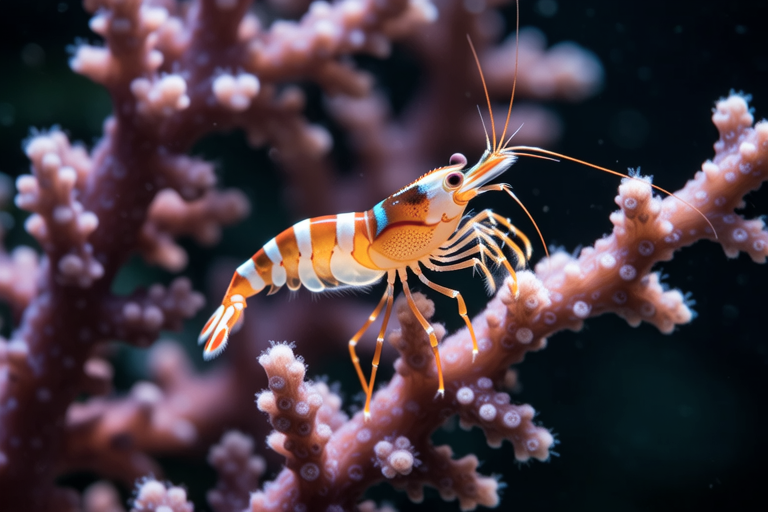
Uncovering the Mysteries Behind the Vibrant World of Coral Shrimp
The world beneath the ocean’s surface is a realm of extraordinary diversity, teeming with life forms that have adapted to thrive in the most challenging environments. Among the myriad of marine organisms, coral shrimp stand out as particularly fascinating. These small crustaceans inhabit some of the most vibrant and intricate ecosystems on Earth, playing crucial roles in maintaining the delicate balance of coral reefs. This article delves into the diverse species of coral shrimp, their habitats, unique adaptations, symbiotic relationships, and the challenges they face in the modern era.
Diverse Species and Habitats
Coral shrimp, belonging to the family Palaemonidae, encompass a wide array of species, each with its own distinct characteristics and habitats. One of the most recognizable is the cleaner shrimp (Periclimenes longicarpus), which is commonly found in the Indo-Pacific region. These shrimp live among the tentacles of sea anemones, where they are protected from predators by the stinging cells of their hosts. Another notable species is the peppermint shrimp (Lysmata wurdemanni), known for its striking red and white striped appearance. Found in tropical waters, this shrimp is often seen scavenging on algae and detritus.
Various species of coral shrimp are also found in the Atlantic Ocean, such as the scarlet cleaner shrimp (Lysmata amboinensis) and the candy cane shrimp (Periclimenes brevicarpalis). Each species has evolved to occupy specific niches within their habitats, ensuring minimal competition and maximizing survival chances. The habitats of coral shrimp range from shallow coastal waters to deeper reef environments, depending on the species. Their ability to thrive in such varied conditions underscores their adaptability and resilience.
Unique Adaptations for Survival
Coral shrimp have developed a plethora of adaptations that allow them to survive in the harsh marine environment. One of the most remarkable adaptations is their ability to form symbiotic relationships with other marine organisms. Cleaner shrimp, for instance, have established a mutually beneficial relationship with fish and other marine animals. By cleaning parasites and dead skin from their hosts, these shrimp provide a valuable service, while the fish and other animals offer protection and a steady supply of food scraps.
Another adaptation is their coloration, which often matches the hues of the corals and sponges they inhabit. This camouflage helps them avoid detection by predators, allowing them to remain safe while scavenging for food or cleaning. Additionally, many species of coral shrimp possess specialized appendages that help them sift through sand and rubble, enabling them to find food sources in otherwise barren areas. These adaptations highlight the ingenuity of these tiny creatures and their importance in marine ecosystems.
Symbiotic Relationships
The symbiotic relationships between coral shrimp and other marine life are a testament to the interconnectedness of the underwater world. Cleaner shrimp, in particular, play a vital role in maintaining the health of reef ecosystems. They act as natural cleaners, removing parasites and dead tissue from fish, which helps prevent the spread of diseases and promotes overall health. This relationship is so well-established that certain fish species actively seek out cleaner shrimp, positioning themselves at specific cleaning stations to receive attention.
Some species of coral shrimp have even developed specialized relationships with sea anemones. The anemone shrimp (Periclimenes tadaikai), for example, lives among the tentacles of sea anemones, using the stinging cells of their host for protection. In return, the shrimp may provide nutrients by consuming waste products from the anemone. These symbiotic relationships underscore the complexity of marine ecosystems and the intricate web of life that exists within them.
Role in Reef Ecosystems
Coral shrimp play a critical role in the health and stability of reef ecosystems. As scavengers and decomposers, they help recycle nutrients and organic matter, contributing to the overall productivity of the reef. Their presence also indicates the health of the ecosystem, as declines in coral shrimp populations can signal broader issues within the reef environment. Furthermore, their symbiotic relationships with other marine organisms help maintain biodiversity and promote ecological balance.
The cleaning services provided by certain species of coral shrimp are essential for the well-being of fish and other reef inhabitants. By keeping parasites and dead tissue at bay, these shrimp contribute to the overall health of the reef community. Their activities also facilitate the growth of new corals by reducing competition for space and resources. In essence, coral shrimp are integral to the functioning of coral reefs, making their conservation a priority for marine biologists and environmentalists alike.
Challenges Faced by Coral Shrimp
Despite their importance, coral shrimp face numerous challenges due to environmental changes. Rising ocean temperatures, increased pollution, and habitat destruction have all taken a toll on these tiny creatures and the ecosystems they inhabit. Climate change, in particular, poses a significant threat to coral reefs, leading to coral bleaching and widespread mortality. As corals die off, the habitats of coral shrimp are destroyed, leaving them vulnerable to predation and starvation.
Pollution, especially from agricultural runoff and industrial waste, introduces harmful chemicals into the marine environment. These pollutants can accumulate in the tissues of coral shrimp, causing reproductive issues and developmental abnormalities. Overfishing and destructive fishing practices further exacerbate the problem by disrupting the delicate balance of reef ecosystems. The cumulative effect of these factors threatens the survival of coral shrimp and the integrity of the reefs they call home.
Conservation Efforts
In response to these challenges, various conservation efforts are underway to protect coral shrimp and their habitats. Marine protected areas (MPAs) have been established to safeguard critical reef ecosystems, providing safe havens for coral shrimp and other marine organisms. These protected areas restrict human activities, such as fishing and tourism, allowing the reef to recover and flourish.
Additionally, research initiatives focus on understanding the impacts of climate change and pollution on coral shrimp populations. By studying these effects, scientists can develop strategies to mitigate damage and promote recovery. Public awareness campaigns also play a crucial role in educating people about the importance of coral shrimp and the need for conservation. These efforts aim to foster a sense of responsibility and encourage individuals to take action in protecting these vibrant creatures.
How You Can Help
There are several ways in which you can contribute to the protection of coral shrimp and their habitats. Supporting sustainable fishing practices and choosing seafood products that are certified as sustainably sourced can help reduce the pressure on marine ecosystems. Participating in beach clean-ups and reducing your use of single-use plastics can also make a difference. Additionally, supporting organizations dedicated to marine conservation and volunteering for reef restoration projects are valuable contributions.
By taking these actions, you can help ensure the survival of coral shrimp and the health of the reefs they inhabit. Your efforts, no matter how small, can contribute to the preservation of these vibrant and vital ecosystems for future generations.
