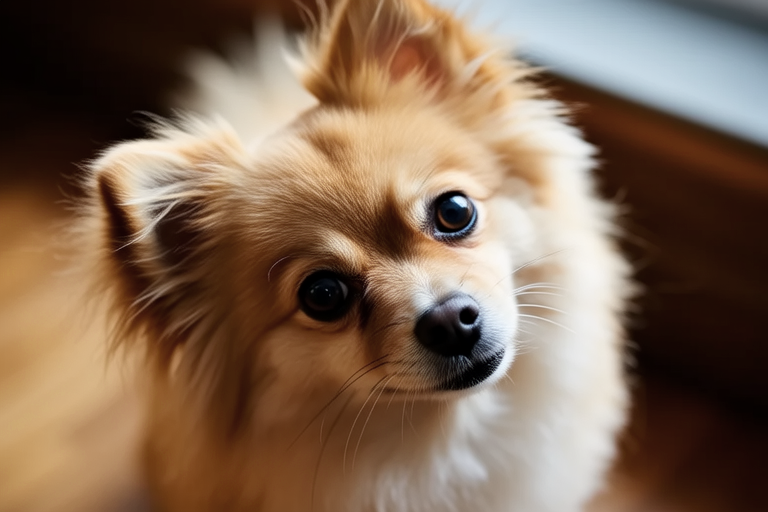
Adorable Fluff Balls: Uncovering the Secrets of Pomeranian Behavior
Welcome to the world of Pomeranians, one of the smallest and most charming dog breeds. These adorable fluff balls have captured the hearts of many with their compact size, fluffy coats, and expressive faces. In this article, we will delve into the fascinating world of Pomeranians, uncovering the secrets behind their behavior, history, and what makes them such wonderful companions.
The History and Origin of Pomeranians
Pomeranians hail from the region of Pomerania, located in modern-day Germany and Poland. Originally bred as working dogs, Pomeranians were much larger than today’s version, weighing up to 30 pounds. Over time, selective breeding reduced their size, transforming them into the delightful lapdogs we know today. Despite their diminutive stature, Pomeranians retain the alertness and spunk of their ancestors, making them lively and energetic companions.
A Playful Nature
One of the most endearing traits of Pomeranians is their playful nature. They love to engage in games and activities that keep them entertained and stimulated. From chasing after toys to playing fetch, Pomeranians thrive on interaction and enjoy spending quality time with their human companions. Their playful demeanor makes them great pets for families with children, as long as interactions are supervised to ensure safety for both parties.
Loyalty and Affectionate Bond
Pomeranians are known for their strong bond with their owners. They are affectionate and loyal, often forming close relationships with their human families. This deep connection makes them excellent companions, providing comfort and companionship. However, it also means that they can experience separation anxiety if left alone for extended periods. To prevent this, it’s important to provide them with plenty of attention and mental stimulation when you’re home.
Potential Shyness Around Strangers
While Pomeranians are generally friendly and outgoing, they can be shy or wary around strangers. Early socialization is crucial to help them become comfortable with new people and situations. Introducing your Pomeranian to different environments, people, and other animals from a young age can help build their confidence and reduce any shyness. Positive reinforcement and treats can be effective tools in this process.
Common Training Challenges and Tips
Training Pomeranians can sometimes be challenging due to their small size and independent nature. They can be stubborn at times, but with patience and consistency, they can learn basic commands and good manners. Using positive reinforcement techniques, such as treats and praise, can help motivate your Pomeranian during training sessions. It’s important to keep training sessions short and fun to maintain their interest and engagement.
Socializing Your Pomeranian
Proper socialization is essential for Pomeranians to develop into well-rounded and confident dogs. Expose your Pomeranian to various environments, sounds, and experiences from an early age. This can include trips to the park, visits to friends’ homes, and even exposure to different types of weather. Socialization helps your Pomeranian become more adaptable and less fearful in unfamiliar situations. Additionally, consider enrolling your Pomeranian in puppy classes, where they can interact with other dogs and learn basic obedience skills.
Maintaining Energy Levels
Pomeranians are full of energy and require regular exercise to stay healthy and happy. While they don’t need extensive physical activity, daily walks and playtime are essential to keep their energy levels in check. Mental stimulation is equally important, so engage your Pomeranian in puzzle toys or interactive games to keep their minds sharp. Providing them with opportunities for physical and mental exercise will help prevent boredom and destructive behaviors.
Health and Lifespan
Despite their small size, Pomeranians are prone to certain health issues. Regular veterinary check-ups and a balanced diet are crucial to maintaining their overall health. Some common health concerns include dental problems, patellar luxation (dislocation of the kneecap), and hypoglycemia (low blood sugar). With proper care and attention, Pomeranians can live long and healthy lives, typically ranging from 12 to 16 years.
Why Pomeranians Make Excellent Companions
Pomeranians are more than just adorable fluff balls; they are loving and loyal companions. Their small size makes them suitable for apartment living, and their playful nature ensures they bring joy to their human families. Whether you’re looking for a lapdog to snuggle with or a lively companion for outdoor adventures, Pomeranians offer a unique blend of affection and entertainment. Their adaptability and strong bond with their owners make them ideal pets for those seeking a devoted and affectionate friend.
