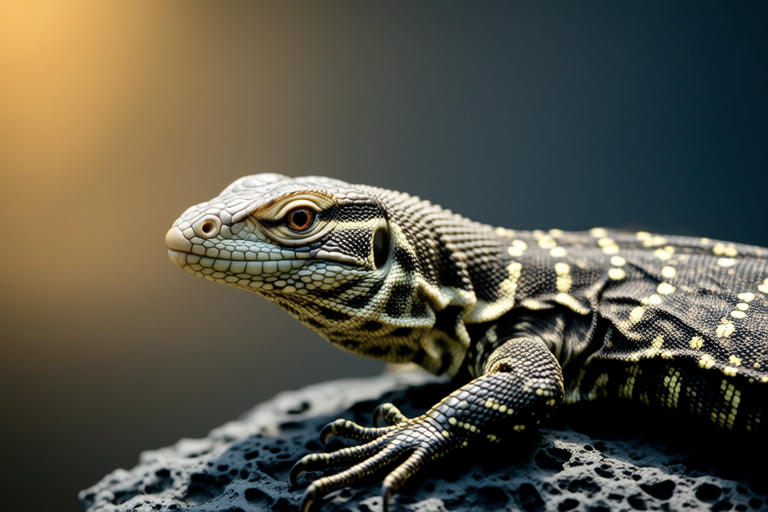
Top Secrets Every Water Monitor Owner Should Know
Water monitors (Varanus salvator) are among the largest lizards in the world, making them a fascinating but challenging pet for owners. Their unique habits, dietary needs, and environmental requirements make them a rewarding yet demanding companion. This article delves into the essential tips for setting up their habitat, dietary nutrition, health care, and best practices for interacting with these magnificent creatures.
Setting Up the Ideal Habitat
Creating an appropriate environment is crucial for your water monitor’s well-being. Water monitors require spacious enclosures that mimic their natural habitats. A young monitor may be housed in a 4x2x2-foot enclosure, but as they grow, they will need larger spaces. An adult monitor might require a custom-built enclosure measuring at least 8x4x4 feet or even larger.
The substrate should be non-toxic and easy to clean. Cypress mulch, reptile bark, or coconut fiber are suitable options. Avoid substrates like sand or gravel, which can cause impaction if ingested. The enclosure should have a water area large enough for swimming, approximately 1/3 of the total space. Ensure the water is clean and changed regularly to prevent bacterial growth.
Maintaining proper humidity levels is vital. Water monitors thrive in humid environments between 70% and 90%. You can achieve this by misting the enclosure daily, using a humidifier, or providing a water dish large enough for soaking. A temperature gradient is also necessary, with a basking spot reaching 95-100°F and cooler areas around 75-85°F. Use heat lamps, ceramic heat emitters, or under-tank heaters to create this gradient. UVB lighting is essential for vitamin D3 synthesis, which aids calcium absorption. Provide 10-12 hours of UVB light per day.
Dietary Nutrition Needs
Water monitors are carnivorous and require a balanced diet rich in protein and calcium. Their diet should consist of appropriately sized prey items such as rodents, feeder fish, insects, and occasional eggs. Young monitors can eat smaller prey items like crickets, mealworms, and pinky mice. As they grow, their diet should include larger prey items like adult mice, rats, and small rabbits.
Vitamin and mineral supplements are crucial for maintaining your monitor’s health. Dust their food with a high-quality calcium supplement twice a week and a multivitamin once a week. Over-supplementation can lead to health issues, so follow the product’s instructions carefully. Feeding frequency depends on the monitor’s age and size. Young monitors may eat every other day, while adults can eat every three to four days. Offer a variety of prey items to ensure a balanced diet.
Health Care Points
Regular veterinary check-ups are essential for monitoring your monitor’s health. Choose a veterinarian experienced with exotic pets. Common health issues include metabolic bone disease, respiratory infections, and parasites. Signs of illness include lethargy, loss of appetite, difficulty breathing, or abnormal stool.
To prevent health problems, maintain proper hygiene in the enclosure. Clean the substrate and water area regularly and disinfect the enclosure monthly. Provide fresh water daily and monitor its quality. Regularly check your monitor’s skin for any signs of injury or infection. Gently examine their mouth and teeth for any abnormalities. If you notice any issues, consult your veterinarian immediately.
Best Practices for Interaction
Water monitors are intelligent and curious animals, but they can be unpredictable and potentially dangerous. Always handle your monitor with care and respect their boundaries. Approach them slowly and avoid sudden movements. Use gloves when handling large monitors to protect yourself from scratches or bites.
Training your monitor can help establish a bond and make handling easier. Positive reinforcement techniques, such as offering treats, can encourage desired behaviors. Socialization is important for your monitor’s mental and emotional well-being. Allow them time outside their enclosure for supervised exercise and exploration. Rotate their toys and enrichment items to keep them mentally stimulated.
Unique Habits and Challenges
Water monitors have several unique habits that owners should be aware of. They are excellent swimmers and climbers, so provide opportunities for both activities in their enclosure. They are also territorial and may display aggressive behavior when threatened. Understanding their body language can help prevent conflicts. Signs of aggression include hissing, puffing up, and tail-lashing.
Caring for a water monitor requires commitment and dedication. They have a lifespan of 10-15 years in captivity, so be prepared for a long-term commitment. Research extensively before acquiring a monitor to ensure you can provide the necessary care and environment. Join online forums or local groups to connect with other monitor owners and share experiences.
In conclusion, owning a water monitor is a rewarding experience for those willing to meet their unique needs. By understanding their habitat requirements, dietary needs, health care points, and interaction best practices, you can provide a happy and healthy life for your monitor. With proper care and attention, your water monitor will become a cherished member of your family.
