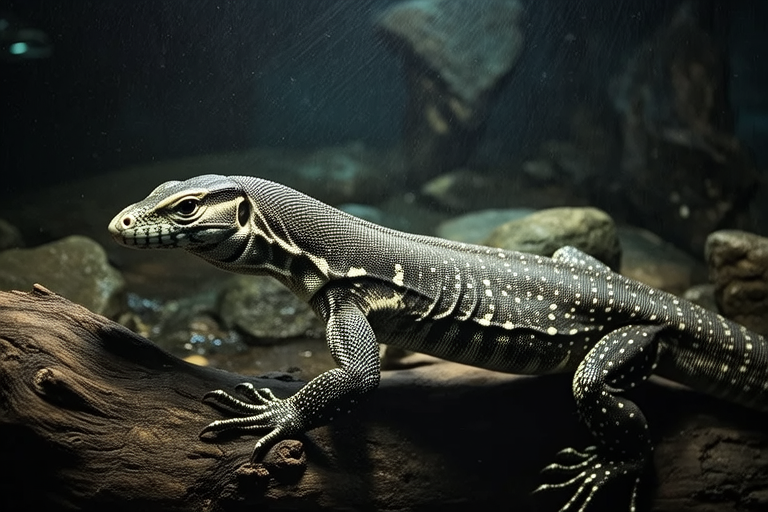
From Swamp to Home: A Comprehensive Guide on Water Monitors
Introduction:
Water monitors (Varanus salvator) are one of the largest lizard species in the world, native to Southeast Asia. Their impressive size, ranging from 4 to 7 feet long, makes them a striking presence. Despite their intimidating appearance, they are intelligent and fascinating creatures. This guide will provide an in-depth look at water monitors, including their natural habitat and behavior, dietary needs, housing requirements, common health issues, and tips for handling and caring for these magnificent reptiles.
The Natural Habitat and Behavior of Water Monitors
Water monitors thrive in a variety of environments, including swamps, mangrove forests, and riverbanks. They are highly adaptable and can be found in both freshwater and brackish water habitats. These lizards are excellent swimmers, often diving to catch prey or escape predators. Their strong limbs and sharp claws make them adept climbers, allowing them to navigate trees with ease.
Water monitors are diurnal, meaning they are most active during the day. They are solitary animals and tend to avoid social interactions with other water monitors. Their diet consists mainly of fish, insects, small mammals, and birds. In the wild, they play a crucial role in controlling pest populations. Their behavior is marked by curiosity and intelligence, making them fascinating subjects for study.
Dietary Needs
Water monitors are carnivorous and require a balanced diet rich in proteins. In captivity, they should be fed a varied diet that includes feeder fish, mice, and crickets. It’s important to ensure that the food items are appropriately sized for the monitor’s age and size. Juvenile monitors should be fed daily, while adults can be fed every two to three days. Proper nutrition is essential for maintaining their health and growth.
Vitamin and mineral supplementation is also necessary to prevent deficiencies. Calcium and vitamin D3 are particularly important for bone health. A multivitamin supplement should be provided once a week. Gut loading feeder insects with nutrient-rich diets before feeding them to your monitor can help enhance their nutritional value.
Housing Requirements Suitable for Captivity
Owning a water monitor requires significant commitment due to their size and environmental needs. The enclosure should be spacious, providing ample room for swimming, climbing, and basking. For a juvenile monitor, a 60-gallon tank may suffice initially, but as they grow, a custom-built enclosure or outdoor vivarium will be necessary. Adult monitors require enclosures that are at least 8 feet long, 4 feet wide, and 6 feet tall.
The enclosure should include a water area for swimming, which should be deep enough to allow the monitor to submerge completely. A land area should be provided with climbing structures like branches and rocks. Heating and lighting are critical for maintaining optimal temperatures and UVB exposure. A basking spot with a temperature range of 95-100°F should be available. UVB lighting is essential for calcium metabolism and should be replaced every six months.
Common Health Issues
Despite their hardiness, water monitors can suffer from various health issues if not cared for properly. Respiratory infections can occur if the enclosure is too cold or damp. Signs of respiratory distress include nasal discharge, labored breathing, and lethargy. Metabolic bone disease is another common issue, caused by inadequate calcium intake or insufficient UVB lighting. Symptoms include softening of the bones, weakness, and difficulty moving.
Parasitic infections are also prevalent among water monitors. Regular veterinary check-ups and fecal exams can help detect and treat parasites early. Maintaining clean living conditions and a balanced diet can significantly reduce the risk of health problems. It’s important to consult a veterinarian specializing in reptiles for any health concerns.
Tips for Handling and Caring
Handling water monitors requires patience and care. They can become accustomed to regular interaction but should never be handled roughly or without proper training. Always approach your monitor calmly and slowly. Allow it time to acclimate to your presence before attempting to handle it.
When handling, support the body and tail to prevent injury. Avoid handling the monitor immediately after feeding, as this can lead to regurgitation. Regular cleaning of the enclosure is essential to maintain hygiene. Substrate should be changed frequently, and water areas should be cleaned and disinfected regularly. Providing mental stimulation through enrichment activities, such as hiding spots and interactive toys, can help keep your monitor mentally and physically healthy.
Conclusion:
Owning a water monitor is a rewarding but challenging endeavor. These magnificent creatures require dedicated care and attention to thrive in captivity. By understanding their natural habitat and behavior, providing appropriate housing, and addressing potential health issues, you can ensure a long and healthy life for your water monitor. Remember, the responsibility of caring for such a large and unique species is significant. With proper care and commitment, you can enjoy the companionship of these incredible reptiles.
