Top 10 Fascinating Facts About Clownfish You Need to Know
Clownfish, with their vibrant orange and white stripes, have captured the hearts of many through popular media like the movie Finding Nemo. But beyond their charming appearance, these small marine fish hold a wealth of fascinating secrets that make them one of the most interesting species in the ocean. From their unique symbiotic relationship with sea anemones to their complex social structures, clownfish offer a window into the intricate world of marine ecosystems. This article delves into the top ten captivating facts about clownfish, providing insights that will leave you marveling at the wonders of nature.
Fact 1: The Anemone Dance – A Symbiotic Relationship
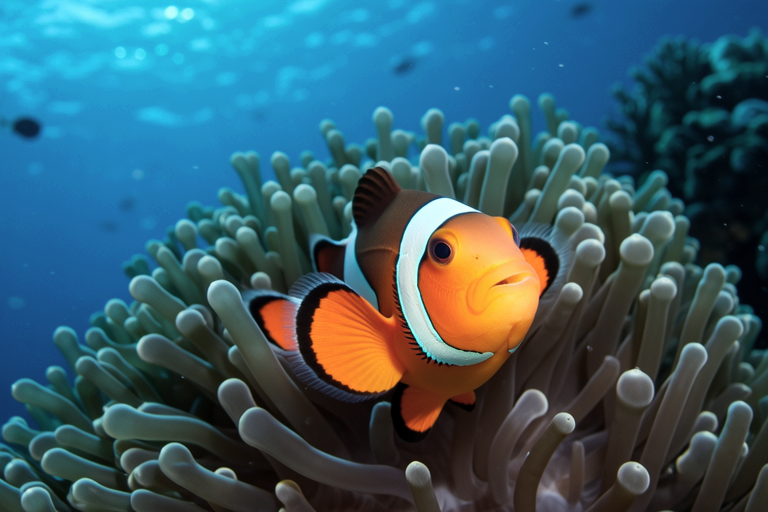
One of the most striking features of clownfish is their symbiotic relationship with sea anemones. These tiny fish live among the tentacles of anemones, which would normally sting other fish. Clownfish produce a layer of mucus on their skin that protects them from the anemone’s venomous stings. In return, the clownfish drives away potential predators and parasites, keeping the anemone clean and healthy. This mutualistic relationship is a prime example of how different species can thrive together in harmony.
Fact 2: Home Sweet Home – Selective Habitat
Clownfish are highly selective about where they choose to live. They prefer sea anemones that are located in coral reefs, specifically in shallow waters. Coral reefs provide a rich environment full of nutrients and protection from larger predators. The specific choice of anemone species also varies depending on the clownfish species, as each type of clownfish has its preferred partner. This selective behavior underscores the importance of environmental factors in shaping animal behaviors.
Fact 3: A Family Affair – Complex Social Structures
Clownfish live in small groups within their chosen anemone. Typically, there is a dominant female who is the largest fish in the group, a male who is second in size, and several smaller males. Interestingly, if the dominant female dies, the largest male will transform into a female and take her place. This ability to change sex is known as sequential hermaphroditism, a rare trait that allows clownfish populations to remain stable even in the face of environmental changes.
Fact 4: The Great Escape – Defensive Mechanisms
In addition to their protective mucus coating, clownfish have evolved other defense mechanisms to protect themselves. When threatened, they can dart quickly between the tentacles of their host anemone, using the anemone’s body as a shield. Their agility and quick reflexes help them evade predators, ensuring their survival in the competitive reef environment.
Fact 5: Colorful Beginnings – The Role of Pigmentation
The distinctive coloration of clownfish, particularly their orange and white stripes, serves more than just aesthetic purposes. These colors act as warning signals to potential predators, indicating that the fish is toxic due to its diet of anemone tentacles. The pigmentation is also thought to play a role in communication within the group, helping individuals recognize each other and maintain their social hierarchy.
Fact 6: Lifelong Partners – Monogamous Mating
Clownfish are monogamous, meaning they mate for life with their chosen partner. During breeding season, the dominant female lays hundreds or even thousands of eggs on a flat surface near their anemone. The male then fertilizes these eggs and takes on the responsibility of guarding them until they hatch. This commitment to lifelong partnerships ensures genetic continuity and helps maintain the stability of clownfish communities.
Fact 7: Evolutionary Adaptations – The Power of Natural Selection
Over millions of years, clownfish have developed several adaptations that enhance their survival. Their streamlined bodies allow them to swim efficiently in the water column, while their fins provide excellent maneuverability. Additionally, their specialized gills enable them to extract oxygen from the water more effectively, giving them an edge in low-oxygen environments. These evolutionary traits highlight the resilience of clownfish and their ability to adapt to changing conditions.
Fact 8: Temperature Sensitivity – Vulnerable to Climate Change
Despite their many adaptations, clownfish are particularly sensitive to changes in water temperature. As global temperatures rise due to climate change, the delicate balance of coral reefs is disrupted, affecting the health of both clownfish and their anemone hosts. Warmer waters can lead to coral bleaching, a phenomenon where corals expel the algae living in their tissues, turning white and often dying. This loss of habitat poses a significant threat to clownfish populations worldwide.
Fact 9: Conservation Status – Threats and Protection
Currently, clownfish are listed as least concern on the IUCN Red List, meaning they are not considered endangered. However, this status does not guarantee their safety. Overfishing, habitat destruction, and pollution all pose threats to clownfish populations. Efforts are being made to protect coral reefs and promote sustainable fishing practices, but continued vigilance is necessary to ensure the survival of these remarkable creatures.
Fact 10: Research and Discovery – Ongoing Studies
Scientists continue to study clownfish to better understand their biology and behavior. Recent research has focused on their role in maintaining the health of coral reefs and their interactions with other marine species. By uncovering new information about clownfish, researchers hope to develop strategies for preserving marine ecosystems and protecting vulnerable species. The ongoing discovery of new facts about clownfish underscores the importance of continued scientific inquiry.
Conclusion: The Importance of Understanding Clownfish
From their unique symbiotic relationships to their evolutionary adaptations, clownfish are truly fascinating creatures that play a vital role in marine biodiversity. Understanding these aspects of clownfish biology not only enriches our appreciation of nature but also highlights the need for conservation efforts. As we continue to learn more about these amazing fish, it becomes increasingly clear that protecting clownfish and their habitats is essential for maintaining the health of our oceans. By supporting conservation initiatives and promoting sustainable practices, we can help ensure the survival of these delightful creatures for generations to come.
