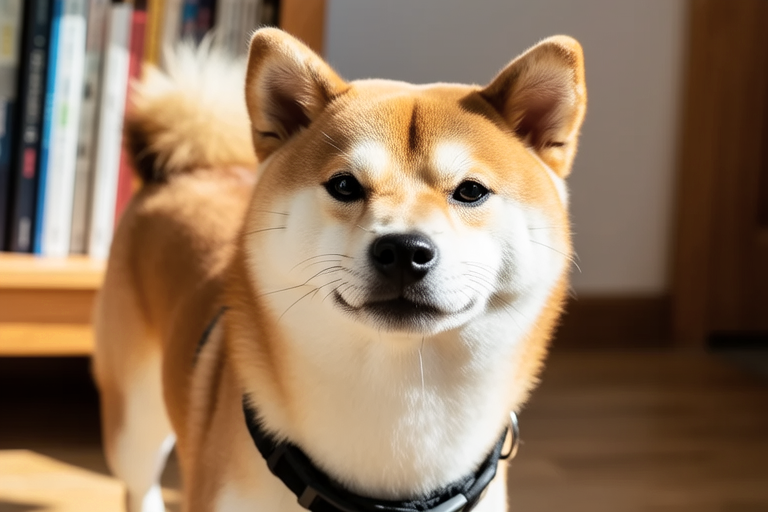
The Ultimate Guide to Training Your Shiba Inu: Tips from Experts
Welcome to the ultimate guide to training your Shiba Inu! This breed, known for its independent spirit and intelligence, requires patience, consistency, and positive reinforcement. We’ve gathered expert advice on various aspects of training, including basic obedience, housebreaking, socialization, behavioral issues, exercise needs, and mental stimulation activities. Let’s dive into these topics to help you and your Shiba Inu thrive together.
Basic Obedience Training: Building a Strong Foundation
Teaching your Shiba Inu basic commands like sit, stay, come, and down is essential for their safety and your peace of mind. Start by creating a calm, distraction-free environment and use treats or praise as rewards. Keep sessions short—no more than 10 minutes at a time—to maintain your dog’s attention. Use a consistent, cheerful voice and be patient; Shibas can be stubborn but respond well to positive reinforcement.
Expert Tip: Break down commands into simple steps. For example, to teach ‘sit,’ hold a treat above your dog’s nose and slowly move your hand backward until they lower their bottom. Praise them when they comply and give them the treat as a reward. Repeat this process several times a day.
Housebreaking Techniques: Achieving Potty Success
Accidents happen, but with the right approach, you can minimize them and achieve success. Establish a routine where you take your Shiba Inu outside first thing in the morning, after meals, and before bedtime. Choose a specific spot for them to relieve themselves and always praise them when they go in the right place. If an accident occurs, clean it up thoroughly with an enzymatic cleaner to remove any lingering odors that might encourage repeat behavior.
Expert Tip: Crate training can be very effective. Dogs naturally don’t want to soil their sleeping area, so a crate provides a safe space for your Shiba Inu while also helping to prevent accidents inside the house. Make sure the crate is just big enough for your dog to stand up, turn around, and lie down comfortably.
Socialization Methods: Helping Your Shiba Inu Thrive
Socializing your Shiba Inu is crucial for their emotional well-being and helps them become comfortable with people, other animals, and new environments. Start early—around 3 to 4 months—and expose your dog to different sights, sounds, and experiences gradually. Take them to parks, pet stores, and dog-friendly cafes. Always ensure their safety by keeping them leashed and under supervision.
Expert Tip: Introduce your Shiba Inu to other dogs in controlled settings, such as puppy classes or dog parks, where interactions are supervised. Positive experiences with other dogs can help reduce aggression and improve overall behavior.
Common Behavioral Issues and Solutions
Shibas can sometimes exhibit challenging behaviors like excessive barking, chewing, or digging. Understanding the root cause of these behaviors is key to addressing them effectively.
- Barking: Shibas may bark excessively out of boredom, excitement, or to alert you to perceived threats. Provide toys and activities to keep them engaged, and teach them a ‘quiet’ command using positive reinforcement.
- Chewing: Chewing can be a sign of teething or boredom. Offer appropriate chew toys and rotate them regularly to keep things interesting. Supervise your Shiba Inu closely and redirect them to a toy if they start chewing on something they shouldn’t.
- Digging: Digging is instinctual for some breeds, including Shibas. Create a designated digging area in your yard and reward your dog when they use it. If they dig in unwanted spots, discourage the behavior gently and redirect them to the proper area.
Expert Tip: Consistency is vital. Set clear boundaries and reinforce them consistently. If your Shiba Inu knows what is expected of them, they are less likely to engage in problematic behaviors.
Exercise Needs: Keeping Your Shiba Inu Fit and Happy
Shibas are energetic dogs that require regular exercise to stay healthy and happy. Aim for at least 30 minutes of moderate activity per day, which could include walks, playtime in a secure area, or interactive games. However, remember that Shibas are independent thinkers and may not always follow commands during exercise. It’s important to provide mental challenges as well as physical ones.
Expert Tip: Incorporate scent work into your exercise routine. Shibas have a strong sense of smell, and activities that engage their noses can be highly stimulating. Hide treats around the house or yard and let your Shiba Inu sniff them out.
Mental Stimulation Activities: Keeping Your Shiba Inu’s Mind Sharp
Shibas are intelligent and need mental stimulation to prevent boredom and destructive behavior. Puzzle toys, food-dispensing toys, and interactive games can help keep their minds sharp. Consider training sessions as another form of mental stimulation. Teaching new tricks or practicing commands keeps your Shiba Inu engaged and learning.
Expert Tip: Rotate toys frequently to keep your Shiba Inu interested. Introducing new toys every few days can prevent them from becoming bored with their current options.
Building a Strong Bond: The Importance of Positive Reinforcement
Positive reinforcement is key to building a strong bond with your Shiba Inu. Reward good behavior with treats, praise, and affection, and avoid punishment for mistakes. Shibas are sensitive creatures, and harsh corrections can lead to fear or aggression. Instead, focus on praising your dog when they do something right and gently redirect them when they misbehave.
Expert Tip: Use a clicker to mark desired behaviors. Clickers can help you train your Shiba Inu more precisely by signaling the exact moment they perform a correct action. Follow the click with a treat to reinforce the behavior.
Conclusion: Patience and Persistence Pay Off
Training your Shiba Inu takes time, effort, and patience, but the results are worth it. By focusing on positive reinforcement, providing mental and physical stimulation, and addressing behavioral issues proactively, you can create a well-behaved, happy companion. Remember, every dog is unique, and what works for one Shiba Inu may not work for another. Stay flexible, and most importantly, enjoy the journey!
