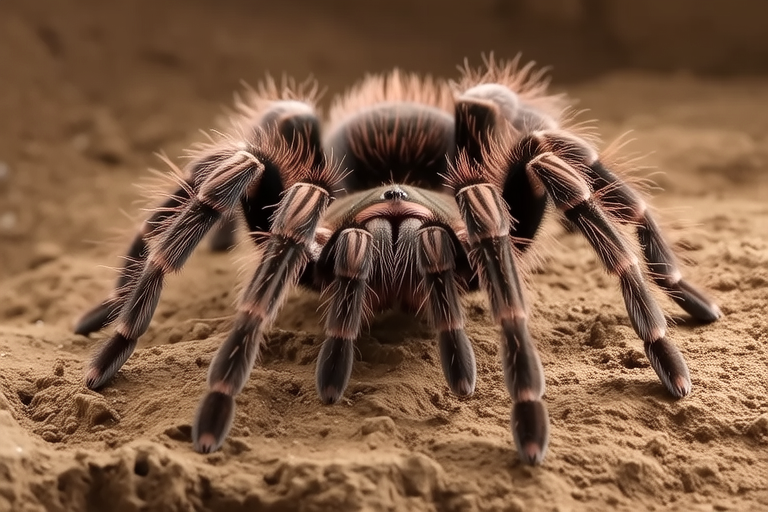
Myth vs. Reality – What You Need to Know About Chilean Rose Tarantulas
Introduction
Chilean rose tarantulas, scientifically known as Grammostola rosea, are among the most popular tarantulas kept as pets. However, misconceptions and myths surrounding these creatures can deter potential owners or cause unnecessary fear. This article aims to debunk common myths and provide accurate information about Chilean rose tarantulas, helping you make informed decisions if you’re considering adopting one of these fascinating arachnids.
Debunking Common Myths
Myth 1: Chilean Rose Tarantulas Are Highly Aggressive
One of the most pervasive myths about Chilean rose tarantulas is that they are aggressive and prone to attacking humans. In reality, these spiders are generally docile and rarely display aggressive behavior towards people. Their first line of defense is usually to flee or play dead rather than attack. They only resort to biting as a last resort when they feel threatened and cornered.
Myth 2: Their Venom Is Extremely Potent
Another misconception is that the venom of Chilean rose tarantulas is highly toxic. While it’s true that all tarantulas possess venom, the venom of the Chilean rose tarantula is relatively mild. It primarily affects small prey, causing paralysis. For humans, a bite might result in localized pain and swelling similar to a bee sting, but it is not life-threatening. The severity of the reaction can vary from person to person, depending on factors like age and sensitivity.
Reality: Understanding the True Nature of Chilean Rose Tarantulas
Now that we’ve addressed some common myths, let’s delve into the reality of what makes Chilean rose tarantulas unique and why they make great pets.
Temperament
Chilean rose tarantulas are known for their calm demeanor, making them ideal for beginners interested in exotic pets. They are typically non-aggressive and will often retreat to a hiding spot when disturbed. Their docility and ease of handling have made them a favorite among hobbyists and enthusiasts alike.
Dietary Needs
These spiders are carnivorous and primarily feed on insects. In captivity, they thrive on a diet of crickets, mealworms, and other small insects. It’s important to ensure that the prey items are appropriately sized, especially for younger tarantulas. Overfeeding can lead to obesity, while underfeeding can result in malnutrition. Feeding once or twice a week is usually sufficient, depending on the size and age of the spider.
Habitat Requirements
Creating an appropriate habitat is crucial for the health and well-being of your Chilean rose tarantula. A terrarium with a secure lid is essential to prevent escape. The enclosure should be spacious enough to allow the spider ample room to move around. Substrate options include coconut fiber, peat moss, or a mixture of soil and sand, which mimics their natural environment.
Maintaining the right humidity level (about 60-70%) and temperature (between 75°F and 85°F) is vital. Humidity can be regulated by misting the substrate occasionally and providing a shallow water dish. Temperature control can be achieved through heating pads or under-tank heaters, ensuring even heat distribution throughout the enclosure.
Natural Behavior
In their natural habitat, Chilean rose tarantulas are nocturnal and spend most of their time in burrows or under rocks. They are solitary creatures, preferring to live alone. During the day, they remain hidden, emerging at night to hunt for food. Observing their natural behavior can be both intriguing and educational for pet owners.
Interaction with Humans
Despite their gentle nature, it’s important to handle Chilean rose tarantulas with care. They have delicate legs and can become stressed easily. When handling, gently grasp the spider from below, avoiding sudden movements. Always wash your hands before and after handling to prevent any transfer of oils or residues that could harm the spider.
Care Tips for Owners
Proper care is essential for the longevity and well-being of your Chilean rose tarantula. Here are some additional tips:
- Substrate Depth: Provide a layer of substrate at least three times the length of the tarantula to allow for burrowing.
- Hiding Spots: Offer various hiding spots such as cork bark, caves, or artificial plants to mimic their natural environment.
- Environmental Enrichment: Introduce environmental enrichment elements like branches or silk ropes to stimulate natural behaviors.
- Health Monitoring: Regularly check for signs of illness, such as lethargy, loss of appetite, or abnormal shedding.
Advice for Potential Owners
If you’re considering adopting a Chilean rose tarantula, there are several factors to keep in mind:
Commitment: Owning a tarantula requires a long-term commitment, as these spiders can live up to 20 years. Ensure you’re prepared for the responsibility before bringing one home.
Research: Thoroughly research the species to understand its specific needs and behaviors. This knowledge will help you create an optimal environment and provide proper care.
Consultation: Consider consulting with experienced breeders or veterinarians who specialize in exotic pets. They can offer valuable insights and guidance tailored to your situation.
Resources for Further Learning
To deepen your understanding of Chilean rose tarantulas and enhance your ability to care for them, consider exploring the following resources:
- Books: “The Tarantula Keeper’s Guide” by Stanley A. Schultz and Marguerite J. Schultz provides comprehensive information on tarantula care and husbandry.
- Online Forums: Join online communities dedicated to exotic pets where you can connect with other enthusiasts, share experiences, and seek advice.
- Local Reptile Shows: Attend reptile shows and expos to learn from experts, observe different species, and purchase supplies from reputable vendors.
Conclusion
By separating myth from reality, we gain a clearer understanding of Chilean rose tarantulas and their suitability as pets. These fascinating creatures are far less aggressive and venomous than commonly believed, making them excellent choices for those interested in exotic pets. With the right care and attention, Chilean rose tarantulas can provide years of enjoyment and companionship. Whether you’re a seasoned enthusiast or a beginner, taking the time to learn about their needs and behaviors will ensure a rewarding experience for both you and your arachnid friend.
