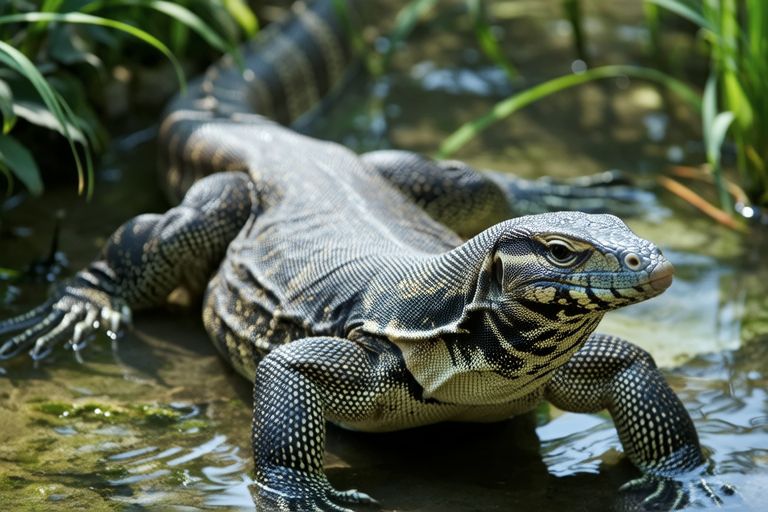
The Ultimate Guide to Keeping a Healthy and Happy Water Monitor
Water monitors (Varanus salvator) are one of the largest lizards in the world and make fascinating pets for experienced reptile enthusiasts. However, their size and specific care requirements can be daunting for beginners. This comprehensive guide will cover everything you need to know to keep your water monitor healthy, happy, and thriving.
Choosing the Right Enclosure
The first step in providing proper care for your water monitor is selecting an appropriate enclosure. Water monitors are highly active and require ample space to move around. A juvenile monitor can be housed in a 4 x 2 x 2-foot (1.2 x 0.6 x 0.6 meters) enclosure, but as they grow, you’ll need to upgrade to larger enclosures. Adult water monitors require a minimum of 8 x 4 x 4 feet (2.4 x 1.2 x 1.2 meters). The enclosure should be tall enough to allow vertical climbing and provide plenty of hiding spots.
Ensure the enclosure has secure locks to prevent escapes, as water monitors are excellent climbers and swimmers. Glass aquariums are not recommended due to the risk of escape and the difficulty of maintaining proper humidity levels. Instead, opt for custom-built wooden or plastic enclosures with mesh tops for ventilation.
Habitat Setup
A water monitor’s habitat should mimic their natural environment as closely as possible. Include a large water area that allows swimming and soaking. The water should be deep enough for the monitor to submerge its entire body, with a depth of at least 18 inches (45 cm) being ideal. Equip the water area with a sturdy ramp for easy entry and exit.
In addition to the water area, include branches, rocks, and logs for climbing and basking. These items should be securely fastened to prevent accidents. Use a variety of substrates, such as coconut fiber, cypress mulch, or reptile carpet, to create a naturalistic and comfortable environment. Avoid substrates that can cause impaction if ingested, like sand or gravel.
Temperature and Humidity Requirements
Maintaining the correct temperature and humidity levels is crucial for your water monitor’s health. Provide a thermal gradient within the enclosure, with a basking spot reaching 95-100°F (35-38°C) and cooler areas between 75-85°F (24-29°C). Use under-tank heating pads, ceramic heat emitters, or radiant heat panels to achieve these temperatures. Always use a reliable thermometer to monitor the enclosure’s temperature.
Humidity should be maintained between 70% and 80%. This can be achieved through regular misting, the use of humidifiers, or by incorporating a water feature that continuously evaporates moisture into the air. Proper humidity levels are essential for shedding and overall health.
Diet Specifics
Water monitors are carnivorous and have a varied diet in the wild. In captivity, they should be offered a balanced diet of appropriately sized prey items. Juveniles can be fed daily, while adults can be fed every other day. Offer a mix of rodents, insects, fish, and occasionally feeder birds. Prey items should be no larger than the width of the monitor’s head.
Supplement the diet with calcium and vitamin D3 to prevent deficiencies. Dust prey items with a high-quality reptile multivitamin once or twice a week. It’s important to avoid overfeeding, as obesity can lead to health problems.
Exercise Needs
Water monitors are naturally active and require plenty of opportunities for exercise. Ensure the enclosure provides ample space for running, climbing, and swimming. Regular exercise helps maintain muscle tone, promotes good digestion, and reduces stress. Providing enrichment activities, such as puzzle feeders or novel objects, can also stimulate mental engagement and reduce boredom.
Handling Techniques
Water monitors can be defensive when threatened and may bite or whip their tails if mishandled. Always approach your monitor calmly and slowly. Allow it time to acclimate to your presence before attempting to handle it. Start handling sessions in a confined area, such as a bathtub, where the monitor feels secure and cannot escape.
When handling your water monitor, support its body fully and avoid excessive restraint. Be cautious of the tail, which can be used as a weapon. Handle your monitor regularly to build trust and familiarity. However, never force interaction, and always respect the animal’s boundaries.
Common Health Issues
Water monitors are generally hardy animals, but they can still suffer from health issues if not cared for properly. Common problems include respiratory infections, metabolic bone disease, and parasites. Signs of illness may include lethargy, loss of appetite, nasal discharge, or abnormal shedding. If you notice any signs of illness, consult a veterinarian specializing in reptiles immediately.
To prevent health issues, maintain proper husbandry practices, including appropriate temperature and humidity levels, a balanced diet, and regular cleaning of the enclosure. Quarantine new animals before introducing them to your established collection to prevent the spread of parasites or diseases.
Tips for Social Interaction
Water monitors are solitary animals in the wild and typically do not interact well with others of their species. Housing multiple monitors together is not recommended, as it can lead to aggression and stress. Instead, focus on building a strong bond with your individual monitor through consistent handling and positive reinforcement.
Provide environmental enrichment to stimulate mental engagement and reduce stress. Offer a variety of climbing structures, hiding spots, and water features. Engage your monitor in gentle play sessions, such as offering treats or allowing supervised swimming outside the enclosure.
Sourcing Quality Food Items
It’s important to source high-quality prey items for your water monitor. Purchase prey from reputable suppliers that prioritize animal welfare and hygiene. Consider feeding your monitor live prey, but always supervise feeding sessions to ensure the prey does not harm the monitor. Alternatively, you can offer pre-killed prey, which can be safer and more humane.
For fish, choose species that are suitable for human consumption, as they are less likely to carry parasites. Thaw frozen prey items thoroughly before offering them to your monitor. Avoid feeding wild-caught prey, as they may carry parasites or toxins.
By following these guidelines, you can provide a healthy and enriching environment for your water monitor. Remember that each monitor is unique, so observe your pet closely and adjust care practices as needed. With proper care and attention, your water monitor can thrive for many years to come.
