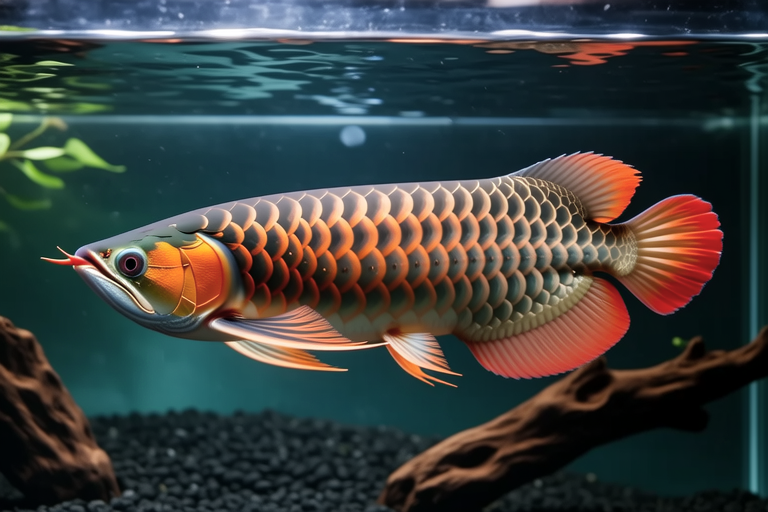
Top Secrets for Keeping Your Arowana Healthy and Happy
Welcome to the world of Arowana care! These majestic fish are not only a sight to behold but also require specific attention to ensure they remain healthy and happy. This guide will walk you through essential tips on maintaining optimal water quality, setting up an ideal tank, providing a suitable diet, controlling temperature, reducing stress, and enriching their environment. Let’s dive into these top secrets to keep your Arowana thriving.
Understanding Arowana’s Needs
Arowanas are large, carnivorous freshwater fish native to South America, Africa, and Asia. They are known for their striking appearance and jumping ability. As such, they demand a specialized aquatic environment that mimics their natural habitat. Understanding their unique needs is crucial for their well-being.
Water Quality Maintenance
Water quality is paramount to the health of your Arowana. High-quality water ensures that your fish remains free from harmful bacteria and toxins. Here’s how you can maintain it:
- Frequent Water Changes: Regularly changing 10-20% of the tank water every week helps remove accumulated waste and toxins. Ensure the replacement water is dechlorinated and matches the tank’s temperature.
- Biological Filtration: Install a robust biological filter to break down ammonia and nitrite into less harmful nitrates. Regularly clean the filter media without disrupting beneficial bacteria.
- Monitoring Parameters: Test the water weekly for pH (6.8-7.5), ammonia, nitrite, and nitrate levels. Adjust as necessary with pH buffers or water conditioners.
Ideal Tank Setup
The tank setup plays a significant role in the happiness of your Arowana. Consider the following:
- Tank Size: Arowanas grow large, requiring spacious tanks. For juveniles, a minimum of 55 gallons is recommended, increasing to 200+ gallons for adults. Larger tanks provide ample swimming space and reduce stress.
- Substrate and Decorations: Use fine sand or gravel substrate to prevent injury. Provide hiding spots with caves or plants. However, avoid sharp or rough decorations that could harm your fish.
- Lighting: Arowanas prefer subdued lighting. Use low-intensity LED lights to mimic natural light cycles and enhance their comfort.
Suitable Diet
Arowanas are carnivores and need a protein-rich diet. Their diet should include:
- Live and Frozen Foods: Feed them live or frozen foods like shrimp, worms, and small fish. Ensure these foods are of high quality and disease-free.
- Dry Foods: Supplement their diet with high-quality pellets or sticks designed for predatory fish. Ensure these are nutritionally balanced.
- Feeding Schedule: Feed your Arowana twice daily, giving them enough food that they can consume within a few minutes. Overfeeding can lead to poor water quality.
Temperature Control
Maintaining the right temperature is critical for your Arowana’s health. Ideal temperatures range between 78-84°F (25.5-29°C). To achieve this:
- Heating Devices: Use reliable aquarium heaters to maintain stable temperatures. Place heaters near the filter outlet to prevent hotspots.
- Thermometers: Install multiple thermometers around the tank to monitor temperature fluctuations accurately.
- Insulation: In colder environments, insulate the tank with Styrofoam or heating mats to prevent heat loss.
Stress Reduction Techniques
Arowanas are sensitive to stress, which can weaken their immune system and lead to health issues. Minimize stress by:
- Quiet Environment: Place the tank away from loud noises and vibrations. Avoid sudden movements or bright lights near the tank.
- Consistent Routine: Maintain a consistent feeding schedule and tank maintenance routine. Fish thrive on predictability.
- Minimizing Handling: Handle your Arowana only when necessary and use proper equipment to minimize stress.
Regular Health Checks
Regular health checks are vital for early detection and treatment of potential issues. Look out for:
- Physical Appearance: Check for any unusual spots, lesions, or discoloration on the body.
- Behavioral Changes: Monitor for lethargy, loss of appetite, or erratic swimming patterns.
- Professional Help: Consult a veterinarian specializing in exotic fish if you notice any signs of illness.
Variety for Enrichment
Providing a varied environment enhances your Arowana’s quality of life. Consider:
- Decorative Plants: Introduce hardy, non-toxic plants that offer hiding spots and visual interest.
- Structural Elements: Add driftwood or rocks to create diverse habitats and stimulate natural behaviors.
- Interactive Toys: Incorporate floating toys or mirrors to engage your Arowana mentally and physically.
Conclusion
Caring for an Arowana requires dedication and knowledge, but the rewards are immeasurable. By focusing on water quality, ideal tank setup, suitable diet, temperature control, stress reduction, and environmental enrichment, you can ensure your Arowana leads a healthy and happy life. Remember, each Arowana is unique, so observe their behavior and adjust care accordingly. With the right approach, you’ll enjoy years of companionship with these magnificent creatures.
