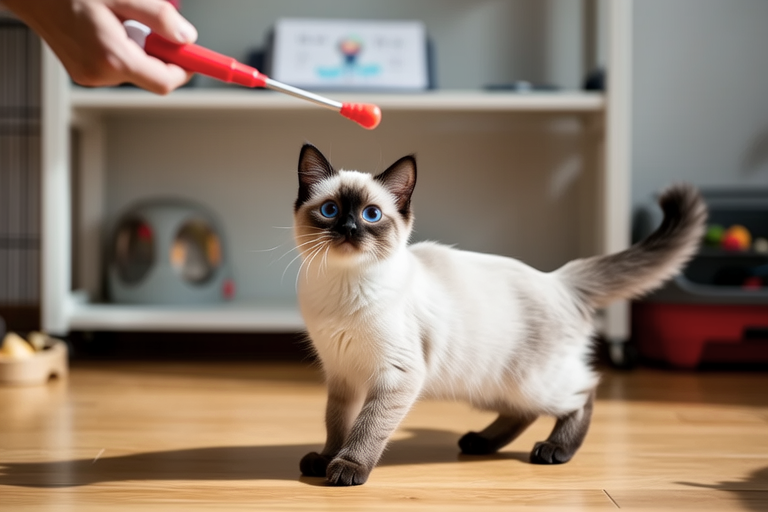
How to Train Your Siamese Cat Like a Pro
Understanding Siamese Cat Behavior
Siamese cats are known for their striking blue almond-shaped eyes, sleek coats, and vibrant personalities. They are highly social, vocal, and intelligent creatures that thrive on interaction with their human companions. Understanding their unique behaviors is crucial before embarking on any training journey.
Siamese cats are very vocal and will often ‘talk’ to their owners, especially when they want attention or food. Their intelligence means they can quickly learn routines and anticipate events. They are also very playful and enjoy interactive toys that stimulate both their minds and bodies. Recognizing these traits will help you tailor your training methods to suit your Siamese cat’s natural inclinations.
Basic Training Techniques Using Positive Reinforcement
Positive reinforcement is key to training your Siamese cat. This method involves rewarding good behavior with treats, praise, or playtime, which encourages the cat to repeat the desired actions. Here are some fundamental steps:
- Choose the Right Treats: Select small, tasty treats that won’t spoil your cat’s appetite for meals. Examples include freeze-dried chicken, tuna bits, or specially formulated cat treats.
- Start Simple: Begin by teaching basic commands like ‘sit’ or ‘come.’ Hold a treat near your cat’s nose, then slowly move it upwards. As your cat follows the treat and looks up, its bottom should naturally lower into a sitting position. Once seated, give the treat and praise your cat enthusiastically.
- Use Consistent Commands: Always use the same word or phrase for each command to avoid confusing your cat. For example, always say ‘sit’ when you want your cat to sit down.
- Be Patient: Some cats may take longer to grasp commands than others. It’s essential to remain patient and not force your cat into submission.
Real-life Example: Sarah, a Siamese cat owner, started training her cat to come when called. She used a specific tone of voice and the word ‘here’ every time she called her cat. Initially, Sarah had to use treats to lure Sarah the cat closer, but after a few weeks, her Siamese cat would come running at the sound of her voice alone.
Creating a Consistent Training Schedule
A structured routine helps your Siamese cat understand what is expected of them and reinforces positive behaviors. Here’s how to establish a consistent training schedule:
- Set a Routine: Train your cat at the same time every day. Morning or evening sessions work well as these times are less likely to be interrupted.
- Keep Sessions Short: Cats have short attention spans, so keep training sessions to about five to ten minutes. Frequent, short sessions are more effective than long, drawn-out ones.
- Mix It Up: Vary the activities during training to keep your cat engaged and interested. Rotate between different commands and games.
Real-life Example: John, a Siamese cat owner, trains his cat twice daily – once in the morning and once in the evening. Each session lasts around 10 minutes, and he alternates between teaching new tricks and reviewing old ones. His cat remains attentive and enthusiastic throughout the training.
Addressing Common Behavioral Issues
Siamese cats, despite their intelligence, can sometimes exhibit challenging behaviors. Here are some common issues and solutions:
- Biting: Siamese cats, especially kittens, might bite out of curiosity or playfulness. Redirect their biting behavior to appropriate chew toys. If biting persists, use a firm ‘no’ followed by ignoring the cat for a few minutes.
- Scratching Furniture: Provide scratching posts and pads that mimic the texture of your furniture. Encourage your cat to use these by sprinkling catnip on them or using a feather toy to guide them towards the post.
- Vocalization: Siamese cats are known for being vocal, but excessive meowing could indicate boredom or loneliness. Ensure your cat has enough mental and physical stimulation. Interactive toys and regular playtimes can reduce excessive meowing.
Real-life Example: Emily noticed her Siamese cat, Luna, was scratching the sofa despite having several scratching posts. Emily placed a new, more appealing scratching post near the sofa and sprayed catnip on it. Within a week, Luna preferred the new post over the sofa.
Enriching Their Environment for Better Training Outcomes
An enriched environment stimulates your Siamese cat’s mind and body, making training sessions more enjoyable and effective. Consider the following enhancements:
- Interactive Toys: Choose toys that require your cat to use problem-solving skills, such as puzzle feeders that dispense treats when manipulated correctly.
- Hiding Spots: Provide cozy hiding spots that make your cat feel secure. These can be boxes, tunnels, or even specially designed cat beds.
- Vertical Space: Cats love climbing and exploring high places. Install cat trees or shelves to provide vertical territory.
- Rotating Toys: Keep your cat interested by rotating toys periodically. Introduce new toys every few days to maintain novelty and excitement.
Real-life Example: Alex, a Siamese cat owner, added a multi-level cat tree to his living room. His cat, Max, spent hours climbing, perching, and exploring the various levels. The additional vertical space kept Max entertained, reducing unwanted behaviors like scratching furniture and excessive meowing.
The Importance of Patience and Consistency
Training a Siamese cat requires patience and consistency. These intelligent and vocal cats can become easily frustrated if training sessions are too long or if expectations are unrealistic. By maintaining a calm and patient demeanor, you’ll create a positive learning environment for your cat.
Consistency is equally important. Use the same commands, rewards, and routines in every training session. This helps your cat understand what is expected and reinforces good behavior. Over time, your Siamese cat will respond reliably to your commands and cues.
Real-life Example: Karen, a Siamese cat owner, encountered challenges when training her cat, Whiskers, to stay off the kitchen counter. Initially, she would yell at Whiskers whenever caught on the counter. This approach only made Whiskers more anxious and unpredictable. After switching to a consistent, gentle approach – using a firm ‘no’ and redirecting Whiskers to an alternative perch – Whiskers learned to stay off the counter within a couple of weeks.
