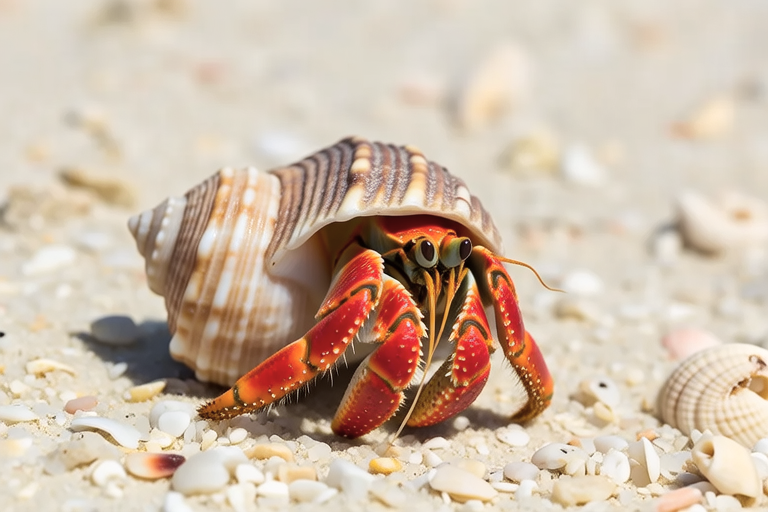
Shell Seekers’ Delight: Everything You Need to Know About Hermit Crabs
Welcome to the fascinating world of hermit crabs! These unique creatures have captured the hearts of many due to their intriguing behavior, particularly their relationship with their shells. Hermit crabs are not born with their own protective exoskeletons but instead adopt discarded mollusk shells as homes. This adaptation has led to their name, as they seem to be living a life of solitude, much like hermits. In this comprehensive guide, we will explore everything you need to know about these captivating crustaceans, from their habitat and diet to their social behaviors and health needs.
The Unique Behavior of Hermit Crabs
Hermit crabs exhibit a remarkable behavior when it comes to their shells. They are constantly on the lookout for better accommodations, trading up whenever they find a more suitable shell. This shell-swapping behavior is crucial for their survival, as it provides protection from predators and environmental hazards. Understanding this behavior is key to keeping hermit crabs happy and healthy in captivity.
Habitat and Diet
Native to tropical and subtropical regions, hermit crabs thrive in environments that mimic their natural habitats. In the wild, they can be found along coastlines and in humid forests. When setting up a home for your hermit crabs, it’s important to replicate these conditions. A spacious tank with plenty of substrate, such as sand or coconut fiber, is essential. The substrate should be deep enough for digging and burrowing, which is vital for their comfort and well-being.
Hermit crabs are omnivores, feeding on a variety of foods including fruits, vegetables, and proteins. A balanced diet can include fresh fruits like bananas, apples, and grapes, as well as vegetables like carrots and zucchini. Protein sources can include fish flakes, shrimp, and even small pieces of cooked chicken. It’s important to avoid processed foods and ensure that all food items are safe for hermit crabs. Providing a varied diet helps maintain their health and ensures they receive all necessary nutrients.
The Importance of Shells for Molting
Molting is a critical part of a hermit crab’s lifecycle, during which they shed their old exoskeleton and grow a new one. During this vulnerable period, having a suitable shell is crucial. Molting can take several weeks, and hermit crabs may retreat into their shells for protection. Owners should provide a variety of shells, ensuring there are options for each crab to choose from, especially those slightly larger than their current ones. This allows them to move into a new shell after molting without stress.
Social Behavior and Reproduction Process
Contrary to their solitary appearance, hermit crabs are social animals that enjoy the company of others. They communicate through vibrations and chemical signals, forming communities within their shared environment. Interaction with other hermit crabs can enhance their quality of life, so it’s beneficial to house multiple crabs together. However, it’s important to ensure that the tank is large enough to accommodate all residents comfortably.
The reproduction process of hermit crabs is equally fascinating. Mating typically occurs in water, with males transferring sperm to females. After fertilization, females carry their eggs until they hatch. The larvae then enter the water to develop further. While breeding hermit crabs can be challenging in captivity, understanding their reproductive habits can help owners provide optimal conditions for potential offspring.
Common Health Issues and Care Tips
Like any pet, hermit crabs can face various health issues. One common problem is dehydration, which can occur if the humidity levels in their tank are too low. Ensuring proper humidity, usually between 70% and 80%, is crucial for their well-being. Another issue is shell-related injuries, which can happen if the shell is too tight or improperly fitted. Regularly checking and adjusting their shells can prevent such problems.
Care tips for owners include maintaining clean tanks, providing fresh water and food, and monitoring temperature and humidity levels. A recommended temperature range is between 75°F and 85°F (24°C to 29°C). Humidity can be maintained using misting systems or by placing a shallow water dish in the tank. Additionally, owners should regularly clean the tank and replace substrates to prevent the buildup of harmful bacteria.
Tank Setup and Suitable Tank Mates
Setting up a suitable tank for hermit crabs involves creating a stimulating environment that meets their physical and social needs. The tank should be at least 10 gallons for two to three hermit crabs, with more space needed for additional inhabitants. Incorporating hiding spots, climbing structures, and plenty of shells enhances the tank’s appeal and functionality.
When considering tank mates, it’s essential to choose species that share similar environmental requirements. Compatible tank mates include isopods, springtails, and certain species of snails. However, it’s crucial to research thoroughly before introducing any new species to ensure compatibility and prevent potential conflicts.
Responsible Sourcing of Hermit Crabs and Shells
Finally, it’s important to consider the ethical sourcing of hermit crabs and shells. Many hermit crabs are collected from the wild, which can impact local ecosystems. Opting for sustainably sourced or captive-bred hermit crabs supports responsible practices. Similarly, sourcing shells from reputable suppliers who prioritize sustainability ensures that you’re contributing positively to conservation efforts.
In conclusion, hermit crabs are delightful pets that offer unique insights into nature’s adaptability. By understanding their specific needs and providing a nurturing environment, owners can ensure their hermit crabs live long, healthy, and happy lives. Whether you’re a seasoned hermit crab owner or just starting your journey, the information provided here will help you create a thriving habitat for these fascinating creatures.
