Mastering Koi Nutrition: What Every Koi Owner Should Feed Their Fish
Introduction
Koi fish are not only beautiful but also require careful attention to their diet to ensure they remain healthy and vibrant. Proper nutrition is key to maintaining the well-being of your koi, affecting everything from their lifespan to their stunning colors. This guide aims to provide every koi owner, whether novice or experienced, with the knowledge necessary to feed their fish effectively.
Essential Nutrients for Koi Health
To thrive, koi need a balanced diet rich in proteins, fats, carbohydrates, vitamins, and minerals. Proteins are crucial for muscle development and repair, while fats support energy storage and cell function. Carbohydrates provide quick energy, and vitamins and minerals play vital roles in various physiological processes.
Variety of Suitable Foods
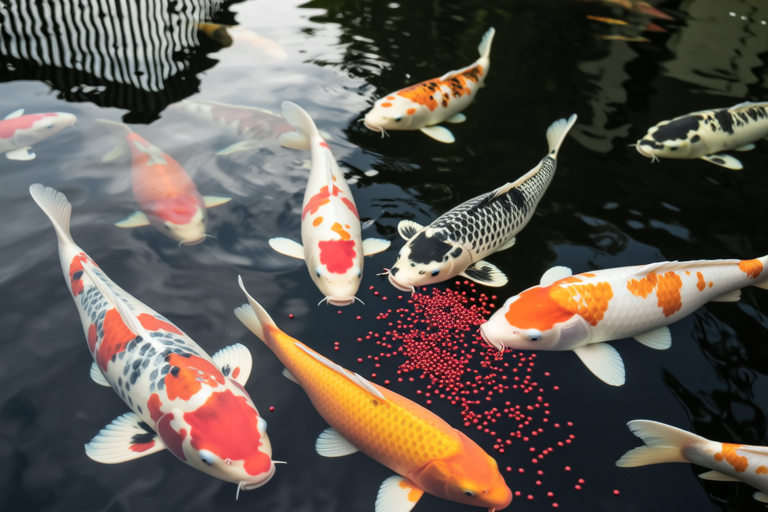
Commercial Pellets: High-quality commercial koi pellets are formulated to meet the nutritional needs of these fish. Look for products that list fish meal as the primary ingredient and include a variety of other ingredients such as wheat germ, soybean meal, and vegetable oils.
Vegetables: Koi can also benefit from a mix of fresh vegetables like zucchini, peas, and spinach. These can be fed raw or lightly steamed to make them easier to digest.
Treats: Occasional treats like earthworms, bloodworms, and brine shrimp can add variety to their diet. However, these should be given sparingly as they are not complete diets.
Feeding Schedules Based on Seasons and Life Stages
Spring: As temperatures rise, increase the frequency of feedings. Start with small portions twice daily and gradually increase as the weather warms.
Summer: Feed koi multiple times daily, especially during cooler morning and evening hours. Avoid overfeeding as excess food can degrade water quality.
Fall: Reduce feeding as temperatures drop. Once water temperature falls below 60°F (15°C), stop feeding completely to prevent digestive issues.
Winter: Koi become less active and may not eat at all. Resume feeding when temperatures consistently exceed 60°F.
Life Stages: Young koi require more frequent feedings and higher protein levels than mature fish. Adjust the amount and type of food according to the age and size of your koi.
Tips for Maintaining Water Quality Post-Feeding
Overfeeding can lead to poor water quality, so it’s important to monitor how much food your koi consume. Uneaten food should be removed promptly to prevent pollution. Use a skimmer or net to collect any leftover pieces and check water parameters regularly.
Common Feeding Mistakes to Avoid
Avoid feeding too much or too little, changing diets abruptly, or offering inappropriate foods. Ensure the food you choose is appropriate for the life stage and health condition of your koi. Always introduce new foods gradually to allow their digestive systems to adjust.
How Proper Nutrition Impacts Koi Coloration and Vitality
Proper nutrition enhances the vibrancy of koi colors by promoting healthy scales and skin pigmentation. A balanced diet supports overall vitality, leading to more energetic and visually appealing fish.
Practical Advice for New and Experienced Koi Owners
For new owners, start with basic high-protein pellets and gradually introduce other foods as your koi adapt. Experienced owners might consider experimenting with different types of food to find what works best for their specific pond conditions and fish preferences.
In conclusion, mastering koi nutrition involves understanding their dietary needs, providing a varied diet, adhering to appropriate feeding schedules, maintaining good water quality, avoiding common mistakes, and recognizing the impact of proper nutrition on coloration and vitality. By following these guidelines, you’ll ensure your koi live long, healthy, and colorful lives.
