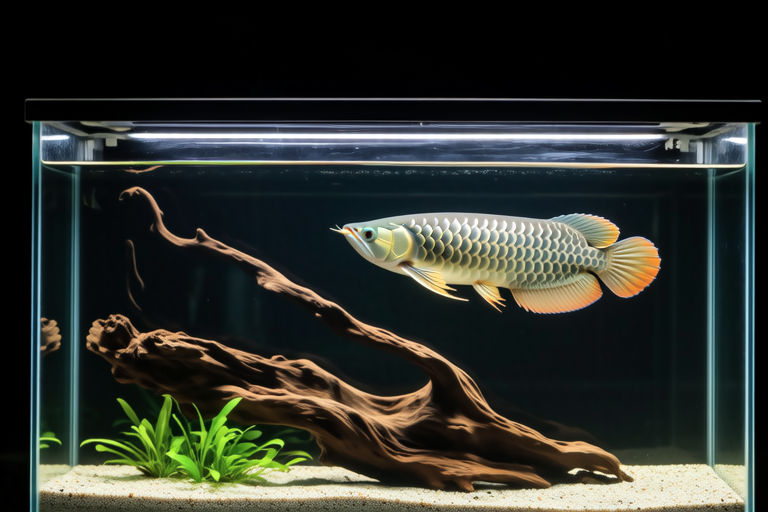
Tank Titans: How to Create an Optimal Habitat for Arowana
Arowanas are one of the most majestic and sought-after fish species in the aquarium hobby. Known for their sleek appearance, powerful swimming capabilities, and unique hunting behavior, these fish can grow impressively large. However, due to their size and specific needs, they require a well-thought-out habitat to thrive. This guide aims to provide expert advice for setting up the perfect aquatic environment for your arowana, covering everything from tank size requirements to water parameters, filtration systems, lighting, substrate, decorations, and suitable tank mates.
Understanding the Arowana
Arowanas belong to the Osteoglossidae family and are native to various regions across Africa, Asia, and South America. They are known for their elongated bodies, large scales, and long dorsal fins. These fish are carnivorous and can grow up to several feet in length, depending on the species. The most popular species among aquarists include the Asian Arowana (Scleropages formosus), African Arowana (Heterotis niloticus), and Silver Arowana (Osteoglossum bicirrhosum).
Tank Size Requirements
The first step in creating an optimal habitat for an arowana is selecting the right tank size. Arowanas need ample space to swim freely and maintain their health. As a general rule, you should provide at least 30 gallons of water per inch of fish. For example, a full-grown Asian Arowana can reach lengths of 36 inches or more, requiring a minimum tank capacity of around 1,080 gallons. Larger tanks not only provide more swimming space but also help in maintaining stable water conditions.
For smaller arowanas, such as juveniles, a 55-gallon tank might suffice initially, but it’s crucial to plan for future growth by investing in a larger tank early on. Remember, arowanas are active swimmers and will appreciate a tank that is longer than it is tall, allowing them to move horizontally.
Water Parameters
Maintaining appropriate water parameters is essential for the health and longevity of your arowana. Here are some key factors to consider:
- Temperature: Arowanas prefer warm water, with temperatures ranging between 78°F and 84°F (25°C to 29°C). Use a reliable aquarium heater to maintain this range.
- pH Levels: Most arowanas thrive in slightly acidic to neutral water with a pH level between 6.5 and 7.5. Regularly test the water using a pH meter or strips.
- Hardness: Arowanas prefer soft to moderately hard water, with a hardness level of 5-15 dGH.
- Ammonia, Nitrite, and Nitrate: Keep ammonia and nitrite levels at zero, and nitrate levels below 20 ppm. Perform regular water changes and monitor these parameters closely.
Filtration Systems
Effective filtration is critical in maintaining water quality and ensuring the health of your arowana. Given their size and waste production, arowanas require robust filtration systems capable of handling large volumes of water efficiently. Consider using a combination of mechanical, biological, and chemical filtration methods.
- Mechanical Filtration: Use filter media that traps debris and particulates, preventing them from clouding the water.
- Biological Filtration: Ensure the presence of beneficial bacteria that break down harmful substances like ammonia and nitrite.
- Chemical Filtration: Utilize activated carbon or other chemical media to remove impurities and odors.
Additionally, incorporate external power filters or canister filters, which offer superior performance and can handle larger water volumes effectively. Always ensure adequate flow rates and regular maintenance of the filtration system.
Lighting
Proper lighting enhances the beauty of your arowana and contributes to the overall health of your tank. While arowanas do not have specific light requirements, providing a day-night cycle can help regulate their circadian rhythms. Choose high-quality LED lights that emit a full spectrum of colors, mimicking natural sunlight. Aim for about 8-10 hours of light per day, followed by darkness to simulate nightfall.
Substrate
The choice of substrate plays a significant role in the aesthetics and functionality of your tank. Arowanas are bottom feeders, so a smooth, fine-grained substrate is ideal to prevent injury to their delicate barbels. Many aquarists opt for sand or small gravel, ensuring there are no sharp edges that could harm the fish. Avoid using crushed coral or other substrates that may alter water chemistry.
Decorations and Hiding Spots
Providing hiding spots and decorations not only enriches the tank’s visual appeal but also helps reduce stress for your arowana. Incorporate sturdy driftwood, rocks, and caves that allow the fish to retreat when needed. Ensure all decorations are securely anchored to prevent accidents. Plants can be included, though they should be robust enough to withstand the arowana’s powerful movements.
Suitable Tank Mates
Selecting compatible tank mates is crucial for maintaining a peaceful and healthy aquarium. Arowanas are generally territorial and can become aggressive towards smaller fish. It’s best to house them with species of similar size and temperament. Some suitable tank mates include:
- Larger cichlids, such as Oscars and Jack Dempseys
- Other large, peaceful fish like pacus and silver dollars
- Large catfish, such as plecos and clown loaches
Avoid housing arowanas with small or slow-moving fish, as they may become prey. Always research potential tank mates thoroughly to ensure compatibility.
Maintaining Water Quality and Temperature
To maintain optimal water quality and temperature, adhere to the following practices:
- Regular Water Changes: Perform partial water changes weekly, replacing approximately 10-20% of the total water volume.
- Monitoring Equipment: Regularly check and calibrate your thermometer, pH meter, and other monitoring equipment.
- Preventive Maintenance: Clean filters and decorations regularly to avoid the buildup of organic matter.
Feeding Habits
Arowanas are carnivorous and require a diet rich in protein. Their diet should consist of live or frozen foods, including feeder fish, earthworms, and shrimp. You can supplement their diet with high-quality pellets designed for large predatory fish. Feed them once or twice daily, offering just enough food that they can consume within a few minutes.
Common Health Issues
Despite their resilience, arowanas can suffer from various health issues if not properly cared for. Common problems include:
- Bacterial Infections: Often caused by poor water quality or physical injuries.
- Fungal Infections: Can occur in wounds or stressed fish.
- Parasitic Infestations: Usually introduced through contaminated water or live foods.
Regular observation and prompt action are key to addressing any health issues. Quarantine new fish before introducing them to the main tank to prevent the spread of diseases. Consult with a veterinarian specializing in exotic fish for diagnosis and treatment options.
Conclusion
Creating an optimal habitat for an arowana requires careful planning and attention to detail. By understanding their specific needs and providing the right environment, you can ensure the health and happiness of these magnificent creatures. Whether you’re a novice aquarist or an experienced enthusiast, following the guidelines outlined in this guide will help you create a thriving home for your arowana.
