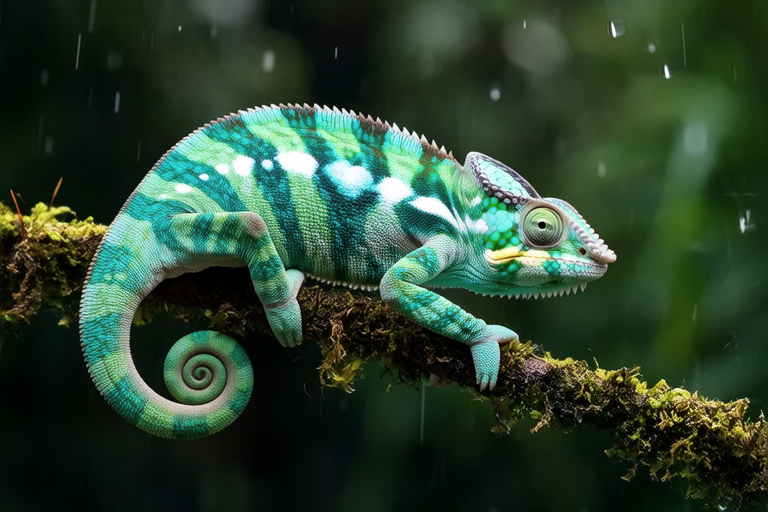
How to Create the Perfect Habitat for Your Color-Changing Companion: Insider Tips
Welcome to the world of color-changing companions! These unique pets can change their appearance in response to their environment, mood, or health, making them fascinating and captivating creatures to watch. However, creating the perfect habitat for your color-changing companion requires careful planning and attention to detail. In this article, we’ll guide you through setting up an ideal living environment that promotes their well-being and longevity. Let’s dive into the essential aspects of creating the perfect habitat for your color-changing pet.
Selecting Appropriate Lighting
Lighting plays a crucial role in the health and happiness of your color-changing companion. Proper lighting not only influences their mood but also affects their ability to change colors effectively. Different species have different light requirements, so it’s important to research the specific needs of your pet before setting up their habitat.
- UVB Lighting: Many color-changing pets, such as chameleons, require UVB lighting to synthesize vitamin D3, which is essential for calcium absorption. Ensure that the UVB bulbs are placed within the recommended distance from the basking spot and replace them every six months to maintain their effectiveness.
- Basking Spot: Provide a warm basking spot with temperatures ranging from 90°F to 110°F (32°C to 43°C), depending on the species. This allows your pet to regulate their body temperature and encourages healthy color changes.
- Natural Light: If possible, place your pet’s habitat near a window where they can enjoy natural sunlight. However, be cautious of overheating and always provide shade options within the enclosure.
Temperature Control
Maintaining the correct temperature range is vital for your color-changing companion’s health and well-being. Each species has its own optimal temperature requirements, so it’s crucial to understand what your pet needs.
- Thermometers: Invest in high-quality thermometers and hygrometers to monitor the temperature and humidity levels accurately. Place one thermometer at the basking spot and another at the cool end of the enclosure.
- Heating Devices: Depending on the species, you may need heat lamps, ceramic heaters, or under-tank heaters. Ensure that the heating devices are positioned correctly and that there are no hotspots that could cause burns.
- Gradual Temperature Changes: Avoid sudden temperature fluctuations, as these can stress your pet and negatively impact their color-changing abilities. Gradually adjust the temperature settings if necessary.
Suitable Substrates
The substrate you choose for your pet’s habitat will affect their comfort, health, and overall environment. Select a substrate that mimics their natural habitat and is easy to clean.
- Cedar and Pine Shavings: Avoid using cedar and pine shavings, as they can irritate your pet’s respiratory system and skin.
- Reptile Carpet: Reptile carpet is an excellent option for many color-changing pets. It’s easy to clean, non-toxic, and provides a safe surface for climbing and exploring.
- Coco Fiber: Coco fiber is another great substrate option. It holds moisture well, which can help maintain the humidity levels in the enclosure. However, ensure that it’s kept clean to prevent mold growth.
Enriching the Habitat with Hiding Spots and Toys
Your color-changing companion will appreciate a habitat that offers plenty of opportunities for exploration and relaxation. Providing hiding spots and toys can enhance their quality of life and stimulate their natural behaviors.
- Hiding Spots: Incorporate various hiding spots, such as caves, tunnels, and plants. These provide security and reduce stress, especially during shedding or molting periods.
- Toys: Introduce interactive toys that encourage play and mental stimulation. For example, puzzle feeders can challenge your pet’s problem-solving skills while providing entertainment.
- Variety: Rotate the toys and hiding spots periodically to keep the environment fresh and exciting for your pet.
Ensuring Proper Nutrition
Proper nutrition is key to keeping your color-changing companion healthy and vibrant. Feed them a balanced diet that includes all the necessary nutrients for their specific species.
- Dietary Needs: Research the dietary requirements of your pet, including the types of insects, fruits, and vegetables they should consume. For example, some color-changing pets thrive on a diet of crickets, mealworms, and leafy greens.
- Vitamin Supplements: Consider adding vitamin supplements to their diet if needed. Consult with a veterinarian to determine the appropriate dosage and frequency.
- Water Source: Provide a clean water source that your pet can easily access. Some pets prefer water bowls, while others may drink from a drip system or fogger.
Regular Health Checks
Regular health checks are essential for monitoring your pet’s well-being and catching any potential issues early. Establish a routine with a veterinarian who specializes in exotic animals.
- Physical Examinations: Schedule annual physical examinations to assess your pet’s overall health, weight, and skin condition.
- Behavioral Observations: Pay close attention to your pet’s behavior for signs of illness, such as lethargy, loss of appetite, or unusual color changes.
- Preventive Care: Discuss preventive measures with your veterinarian, such as vaccinations, parasite control, and dental care.
Maintaining Hygiene
Keeping your pet’s habitat clean is crucial for preventing diseases and promoting a healthy environment. Develop a cleaning schedule that works for you and your pet.
- Spot Cleaning: Remove waste and uneaten food daily to maintain cleanliness and reduce odors.
- Deep Cleaning: Perform a thorough cleaning of the enclosure and all accessories once a week. Use a reptile-safe disinfectant and rinse everything thoroughly before returning it to the habitat.
- Substrate Replacement: Replace the substrate regularly, following the manufacturer’s recommendations or as needed based on odor and cleanliness.
Understanding the Specific Needs of Your Pet
Each color-changing companion has unique needs and preferences. Take the time to learn about your pet’s specific requirements and adapt their habitat accordingly. By doing so, you’ll ensure that your pet thrives in their new home.
For example, if you have a chameleon, you might need to provide more vertical space and climbing structures, as they are arboreal creatures. On the other hand, if you have a gecko, you may want to focus on creating a humid environment with plenty of hiding spots.
Consulting with experts, joining online forums, and reading books and articles about your pet’s species can provide valuable insights and guidance. Remember that every pet is unique, so be patient and observant as you tailor their habitat to meet their individual needs.
Conclusion
Creating the perfect habitat for your color-changing companion is an ongoing process that requires dedication and attention to detail. By focusing on appropriate lighting, temperature control, suitable substrates, enriching the habitat with hiding spots and toys, ensuring proper nutrition, conducting regular health checks, and maintaining hygiene, you can provide your pet with a stimulating and comfortable environment. Understanding the specific needs of your pet will promote their well-being and longevity, allowing you to enjoy their fascinating color-changing abilities for years to come.
