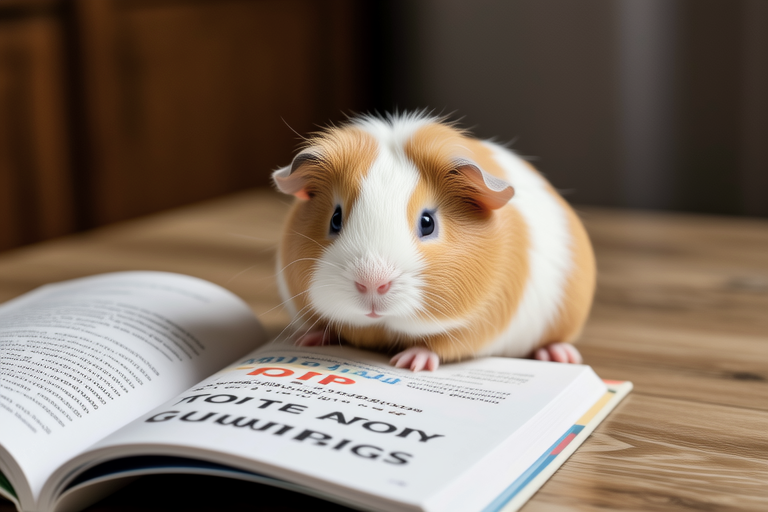
Top 10 Myths About Guinea Pigs You Need to Stop Believing
Guinea pigs, also known as cavies, have been popular pets for many years. Despite their widespread popularity, there are several misconceptions about these adorable rodents that need to be addressed. This article aims to debunk ten common myths about guinea pigs, providing factual information and practical advice for potential owners.
Myth 1: Guinea Pigs Thrive Alone
One of the most prevalent myths about guinea pigs is that they can live happily on their own. Many people believe that since guinea pigs are small, they don’t require much company. However, this could not be further from the truth. Guinea pigs are social animals that thrive in the presence of others of their kind. In the wild, they live in groups, and this social structure is crucial for their mental and physical well-being. According to the Guinea Pig Council, keeping two or more guinea pigs together is recommended to prevent loneliness and promote a healthier lifestyle. Therefore, if you’re considering adopting a guinea pig, it’s best to get at least two so they can keep each other company.
Myth 2: Their Diet Solely Consists of Pellets
Another misconception is that guinea pigs only need to eat commercial pellets to stay healthy. While pellets are an essential part of their diet, they should not be the sole source of nutrition. Guinea pigs require a varied diet that includes hay, fresh vegetables, and fruits. The primary component of their diet should be grass hay, which aids in digestion and prevents dental problems. Additionally, they need a constant supply of vitamin C, which they cannot produce themselves. Fresh vegetables like bell peppers, broccoli, and leafy greens provide this vital nutrient. It’s important to research the appropriate foods and quantities to ensure your guinea pig receives all necessary nutrients.
Myth 3: Noiselessness is a Trait
Some people assume that guinea pigs are quiet animals, making them ideal for apartment living. However, while guinea pigs may not be as noisy as some other pets, they do make various sounds to communicate. They can purr, whistle, and even scream when distressed. These vocalizations serve different purposes, such as expressing contentment, signaling danger, or seeking attention. Understanding these sounds can help owners better connect with their pets and address any concerns promptly. Therefore, potential owners should be prepared for occasional noises and not expect complete silence.
Myth 4: Limited Space Requirements
It’s often believed that guinea pigs require minimal space to live comfortably. However, these animals need ample room to move around and exercise. A cage that’s too small can lead to stress and health issues. The minimum size for a single guinea pig is typically around 7.5 square feet, but larger spaces are preferable. Providing enough space allows them to engage in natural behaviors like running, jumping, and exploring. Owners should consider purchasing a spacious cage and offering additional playtime outside the enclosure to ensure their pet remains active and healthy.
Myth 5: Ease of Care
Guinea pigs are frequently considered low-maintenance pets, leading some to believe that they require little attention. While they are generally easy to care for, they still need regular grooming, cleaning, and interaction. Their fur requires brushing to prevent tangles, and their nails should be trimmed regularly to avoid overgrowth. Additionally, their living environment must be cleaned frequently to maintain hygiene. Spending time with your guinea pig daily is also important for bonding and ensuring their emotional well-being. By understanding these care requirements, potential owners can provide the proper attention needed for a happy and healthy pet.
Myth 6: Color Impacts Temperament
There’s a common belief that certain colors of guinea pigs have specific temperaments. For instance, some people think white guinea pigs are calmer, while others believe that darker-colored ones are more aggressive. However, a guinea pig’s color has no bearing on its personality. Each animal has its unique disposition, regardless of its coat color. Factors such as genetics, upbringing, and individual experiences shape their behavior. Therefore, potential owners should not base their choice solely on appearance but rather consider factors like breed, age, and compatibility with their lifestyle.
Myth 7: Lifespan Misconceptions
Many people underestimate the longevity of guinea pigs, assuming they live only a few years. In reality, guinea pigs can live between four to eight years with proper care. Factors such as diet, environment, and healthcare significantly influence their lifespan. Regular veterinary check-ups, a balanced diet, and a clean living space can contribute to a longer, healthier life. By understanding the average lifespan and taking proactive steps to enhance their quality of life, owners can ensure their guinea pig enjoys many years of companionship.
Myth 8: Breeding Difficulties
Some individuals believe that breeding guinea pigs is complicated and fraught with challenges. While it’s true that breeding should be approached responsibly, it is not inherently difficult. With proper knowledge and preparation, many owners successfully breed guinea pigs. Key considerations include ensuring both parents are healthy, choosing compatible partners, and providing a suitable environment for the pregnant female. Researching the process thoroughly and consulting experienced breeders can help alleviate any concerns and ensure a smooth breeding experience.
Myth 9: Suitability as First Pets for Children
Guinea pigs are often recommended as first pets for children due to their docile nature and relatively low maintenance. While they can be excellent companions for young families, they are not entirely foolproof. Children should always be supervised when handling guinea pigs to prevent accidents. Teaching children how to interact gently and responsibly with their pet is crucial for both the child’s safety and the guinea pig’s well-being. Additionally, parents should be prepared to take on the primary responsibility of caring for the guinea pig, as children may struggle to meet all the care requirements consistently. By setting clear expectations and providing guidance, families can create a positive and rewarding experience for everyone involved.
Myth 10: Minimal Health Issues
Lastly, there’s a misconception that guinea pigs face few health problems. Like any animal, guinea pigs can develop various ailments, including respiratory infections, dental issues, and obesity. Regular veterinary check-ups, a balanced diet, and a clean environment are essential for maintaining their health. Being aware of common health issues and knowing how to recognize early signs of illness can help owners provide timely treatment and prevent more severe complications. By staying informed and proactive, owners can ensure their guinea pig leads a long and healthy life.
In conclusion, dispelling these myths about guinea pigs is crucial for potential owners to make informed decisions and provide the best possible care for their pets. By understanding their social needs, dietary requirements, and overall well-being, owners can ensure their guinea pigs live happy and healthy lives. Remember, a well-informed owner is key to a successful and rewarding pet ownership experience.
