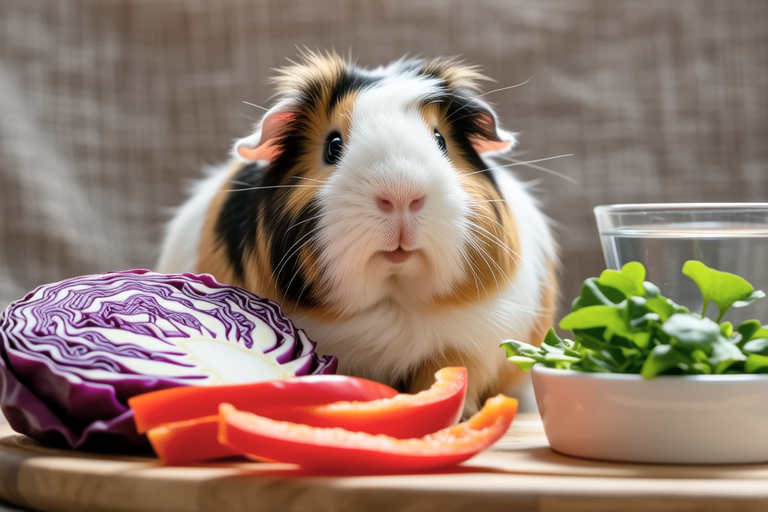
The Ultimate Guide to Guinea Pig Diet: Foods to Feed and Avoid
Guinea pigs, also known as cavies, are delightful pets that require special care, particularly when it comes to their diet. A balanced diet is crucial for their overall health and well-being. Proper nutrition ensures that these small animals grow strong and live long, happy lives. This guide will provide you with all the information you need to ensure your guinea pig has a nutritious and varied diet.
Importance of a Balanced Diet for Guinea Pigs
Just like humans, guinea pigs need a balanced diet to maintain good health. Their diet should consist of a variety of nutrients, including vitamins, minerals, proteins, and fibers. A well-balanced diet can prevent many health issues, such as obesity, dental problems, and gastrointestinal disorders. In addition, it helps in maintaining a healthy immune system, ensuring your pet stays active and energetic.
Essential Nutrients: Vitamin C
Vitamin C is one of the most important nutrients for guinea pigs. Unlike humans and some other animals, guinea pigs cannot produce their own vitamin C, so they must obtain it from their diet. A deficiency in this vitamin can lead to scurvy, which causes symptoms such as lethargy, joint pain, and swollen joints. To prevent this, it is essential to include vitamin C-rich foods in your guinea pig’s diet.
Foods to Feed Guinea Pigs
Vegetables
Vegetables form a significant part of a guinea pig’s diet. They provide essential vitamins, minerals, and fiber. Here are some vegetables that are safe and beneficial:
- Romaine Lettuce: Rich in vitamin C and low in calcium, romaine lettuce is a great choice. Offer about one cup per day.
- Bell Peppers: These are high in vitamin C. You can offer half a bell pepper twice a week.
- Cucumber: Provides hydration and is low in calories. Offer slices of cucumber daily, but in moderation due to its high water content.
- Carrots: Carrots are rich in beta-carotene, which converts to vitamin A. However, they are high in sugar, so offer only a small piece once or twice a week.
Fruits
Fruits should be given sparingly due to their high sugar content. They can be offered as occasional treats:
- Strawberries: High in vitamin C and antioxidants. Offer a few pieces twice a week.
- Apple: Low in sugar compared to other fruits. Offer one thin slice weekly.
- Blueberries: Full of antioxidants and vitamins. Offer a few berries every couple of days.
Hay
Hay is the cornerstone of a guinea pig’s diet. It provides essential fiber and aids in digestion. Guinea pigs should have unlimited access to hay throughout the day. Timothy hay is recommended for adult guinea pigs, while younger guinea pigs may benefit from alfalfa hay, which is higher in calcium.
Harmful Foods to Avoid
Some foods can be harmful to guinea pigs and should be avoided at all costs:
- Citrus Fruits: Although rich in vitamin C, citrus fruits like oranges and lemons are too acidic and can cause stomach upset.
- Dairy Products: Guinea pigs are lactose intolerant, so dairy products like cheese and milk can cause digestive issues.
- Fatty Foods: Foods high in fat, such as nuts and seeds, can lead to obesity and other health issues.
- Salty Foods: Salty snacks can cause dehydration and sodium toxicity.
Tips for Transitioning to New Foods
When introducing new foods to your guinea pig’s diet, do so gradually. Start by offering small amounts and monitor your pet for any adverse reactions. If your guinea pig shows signs of discomfort, such as diarrhea or vomiting, discontinue the new food immediately and consult a veterinarian.
Signs of Dietary Issues
It is important to be aware of signs that might indicate dietary issues in your guinea pig:
- Diarrhea: Can be a sign of dietary changes or infection.
- Lethargy: May indicate a lack of proper nutrients or an underlying health issue.
- Poor Appetite: Could suggest dental problems or stress.
Maintaining a Healthy Weight
To ensure your guinea pig maintains a healthy weight, monitor their food intake and exercise. Regular playtime and interaction can help keep your pet active. Weigh your guinea pig regularly to track any changes in weight and consult a veterinarian if you notice significant weight gain or loss.
In conclusion, providing a balanced and nutritious diet for your guinea pig is essential for their health and happiness. By following the guidelines outlined in this article, you can ensure your pet receives all the necessary nutrients to thrive. Remember to always consult with a veterinarian if you have any concerns about your guinea pig’s diet or health.
