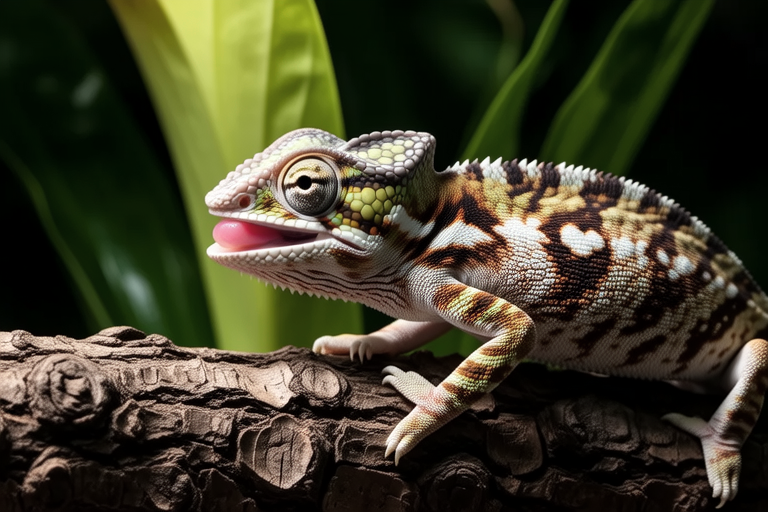
How to Care for Your Chameleon Like a Pro: A Complete Guide
Welcome to the comprehensive guide on how to care for your chameleon like a pro. Whether you’re a first-time owner or an experienced keeper, this guide will provide you with all the essential information you need to ensure your chameleon lives a healthy and happy life. From understanding their dietary needs to setting up the perfect habitat, we’ve got you covered.
Understanding Chameleons
Chameleons are fascinating reptiles known for their ability to change color and their unique physical characteristics, such as their long tongues and prehensile tails. They are arboreal creatures, meaning they spend most of their time in trees, and require a specialized environment to thrive. This guide will help you understand the specific needs of these captivating animals and provide practical advice on how to meet them.
Chameleon Diet
Overview of Chameleon’s Eating Habits
Chameleons are insectivores, which means their diet primarily consists of insects. In the wild, they hunt a variety of bugs, but in captivity, it’s important to offer a diverse selection of feeder insects to ensure they receive all necessary nutrients. Some popular feeder insects include crickets, dubia roaches, silkworms, and hornworms. It’s crucial to gut-load these insects before feeding them to your chameleon, which involves providing the insects with nutritious food so that they pass those nutrients along to your pet.
Feeding Frequency and Quantity
The frequency and quantity of food depend on the age and size of your chameleon. Juvenile chameleons generally need to be fed daily, while adults can be fed every other day. Start with smaller quantities and gradually increase based on your chameleon’s appetite and weight gain. Overfeeding can lead to obesity and related health issues, so it’s important to monitor your pet’s body condition carefully.
Variety and Nutritional Balance
To maintain a balanced diet, it’s essential to vary the types of insects offered. Different insects have different nutritional profiles, so rotating through various options ensures your chameleon gets a wide range of vitamins and minerals. Additionally, supplementing their diet with calcium and multivitamins is recommended to prevent deficiencies. Always consult with a veterinarian specializing in reptiles to determine the appropriate supplementation schedule for your chameleon.
Habitat Setup
Enclosure Size
The size of the enclosure plays a crucial role in the well-being of your chameleon. Generally, a minimum of 24 inches wide by 48 inches tall by 18 inches deep is recommended for adult chameleons. Larger enclosures are always better, as they provide more space for climbing and exercise. The height of the enclosure is particularly important, as chameleons are vertical climbers and prefer environments that allow them to ascend and perch at various levels.
Lighting
Proper lighting is vital for chameleons to synthesize vitamin D3, which is essential for calcium absorption. Use a combination of UVB bulbs and basking lamps. UVB bulbs should cover approximately 75% of the enclosure and be placed within 6-12 inches of the basking branch. Basking lamps should provide a warm spot where the chameleon can regulate its body temperature. It’s important to replace UVB bulbs every six months, even if they still appear functional, as the UVB output diminishes over time.
Temperature and Humidity
Maintaining the correct temperature and humidity levels is crucial for your chameleon’s health. During the day, the temperature should range from 75°F to 90°F (24°C to 32°C) with a basking spot reaching 95°F to 100°F (35°C to 38°C). At night, temperatures can drop slightly to around 65°F to 75°F (18°C to 24°C). Humidity levels should be kept between 40% and 70%, depending on the species. Regular misting is necessary to achieve the desired humidity levels, and it’s also beneficial for your chameleon to drink from the droplets.
Substrate and Accessories
Avoid using substrate in the enclosure to prevent ingestion, which can lead to impaction. Instead, use live or artificial plants, branches, and vines to create a naturalistic environment that encourages climbing and exploration. Ensure that all accessories are securely anchored to prevent accidents. Providing multiple perches at varying heights is important for your chameleon’s mental and physical stimulation.
Handling Tips
Chameleons are delicate creatures and should be handled with care. They are not social animals and do not enjoy being held or touched frequently. When handling is necessary, support their entire body and avoid excessive handling to minimize stress. Always wash your hands before and after handling to prevent the spread of bacteria.
Common Health Issues
Metabolic Bone Disease (MBD)
Metabolic bone disease is a serious condition caused by calcium deficiency and improper calcium-to-phosphorus ratio in the diet. Symptoms include weak bones, lethargy, and difficulty moving. Prevent MBD by ensuring adequate UVB lighting, proper supplementation, and a balanced diet rich in calcium.
Digestive Problems
Chameleons can experience digestive issues due to poor diet or environmental factors. Signs of digestive problems include regurgitation, lack of appetite, and bloating. If your chameleon shows signs of digestive distress, consult a veterinarian immediately.
Parasites and Infections
Parasites and bacterial infections can affect chameleons, often leading to weight loss, lethargy, and respiratory issues. Regular veterinary check-ups and proper hygiene practices can help prevent these problems. Keep the enclosure clean and disinfect it periodically to reduce the risk of infection.
Regular Care Routines
Cleaning and Maintenance
Regular cleaning and maintenance of the enclosure are essential to keep your chameleon healthy. Remove waste and uneaten food daily, and perform a thorough cleaning of the enclosure every two weeks. Disinfect the enclosure and accessories using a reptile-safe cleaner, rinse thoroughly, and allow everything to dry completely before replacing it in the enclosure.
Veterinary Care
Scheduling regular veterinary check-ups is important for early detection and treatment of potential health issues. A veterinarian who specializes in exotic pets can provide expert advice and care tailored to your chameleon’s specific needs. Be prepared to discuss your chameleon’s diet, habitat, and any behavioral changes during these visits.
Monitoring Behavior and Health
Observing your chameleon’s behavior and overall health regularly is key to identifying any potential issues early. Look for changes in appetite, activity level, and appearance. Any unusual behavior or symptoms should prompt a visit to the veterinarian.
Conclusion
Caring for a chameleon requires dedication and attention to detail. By following the guidelines provided in this comprehensive guide, you can ensure that your chameleon enjoys a healthy and fulfilling life. Remember, each chameleon is unique, so it’s important to tailor your care routine to suit your pet’s individual needs. With proper care and attention, your chameleon will thrive and bring joy to your home for many years to come.
