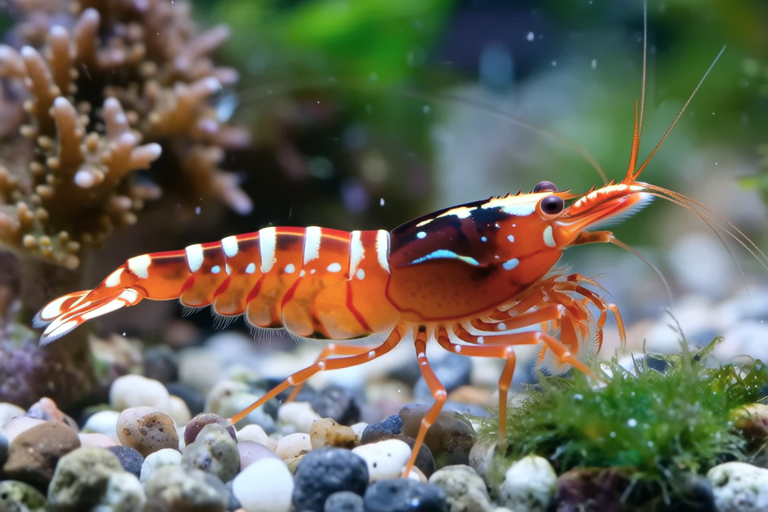
Coral Shrimp Care Guide: Tips for Happy and Healthy Crustaceans
Welcome to your ultimate guide on how to care for coral shrimp! Whether you’re an experienced aquarist or just starting out, this comprehensive guide will provide all the information you need to ensure that your coral shrimp live long, happy, and healthy lives.
Introduction to Coral Shrimp Species
Coral shrimp, also known as Stenopus hispidus, are small, colorful crustaceans that are popular among saltwater aquarium hobbyists. These shrimp are native to the tropical and subtropical waters of the western Atlantic Ocean, ranging from Florida to Brazil, including the Caribbean Sea and the Gulf of Mexico. Coral shrimp are highly sought after due to their vibrant red coloration and interesting behavior, making them a great addition to any reef tank.
Coral shrimp have three distinct pairs of claws, with the first pair being particularly noticeable due to their large size. They also possess a pair of sharp spines along their backs, which they use for defense against predators. These shrimp are typically found in shallow waters near coral reefs, where they play an important role in maintaining the health of the ecosystem by feeding on detritus and small organisms.
Optimal Tank Setup
To provide your coral shrimp with the best possible environment, it’s essential to set up a well-planned tank that meets their specific needs. A minimum tank size of 30 gallons is recommended, but larger tanks are always preferable. This will allow for more swimming space and a better chance of creating a stable ecosystem.
When setting up your tank, make sure to include plenty of hiding spots, such as rock caves and crevices, as well as areas with live rock and corals. Coral shrimp thrive in environments that mimic their natural habitat, so providing them with places to explore and hide will help reduce stress and promote a healthier lifestyle. Additionally, incorporate some driftwood and macroalgae to offer more variety in their surroundings.
Water Parameters
Maintaining proper water conditions is crucial for the well-being of your coral shrimp. The ideal temperature range for these shrimp is between 72°F and 80°F (22°C to 27°C). Keep the pH level between 8.1 and 8.4, and aim for a specific gravity of 1.023 to 1.025. Ammonia and nitrite levels should be kept at zero, while nitrate levels should remain below 20 ppm. Regular testing and monitoring of these parameters will ensure that your coral shrimp are living in optimal conditions.
It’s important to note that coral shrimp are sensitive to changes in water chemistry, so perform water changes gradually and avoid sudden shifts in temperature or salinity. Use a high-quality protein skimmer to maintain clean water and prevent excess organic matter from building up in the tank.
Diet and Feeding
Coral shrimp are omnivorous scavengers, meaning they feed on both plant and animal matter. In the wild, they consume algae, detritus, small invertebrates, and other organic debris. To replicate their natural diet in captivity, offer a varied selection of foods, including frozen or freeze-dried brine shrimp, mysis shrimp, and bloodworms. You can also supplement their diet with algae wafers and marine flakes.
Feed your coral shrimp once or twice a day, offering only as much food as they can consume within a few minutes. Overfeeding can lead to water quality issues and may cause harm to your shrimp. Additionally, provide a regular supply of algae and other organic matter for them to scavenge on throughout the day.
Tank Mates Compatibility
Coral shrimp are generally peaceful and can coexist with a wide variety of tank mates, provided that the tank is large enough and the other inhabitants are not aggressive or predatory. Suitable tank mates include small fish like clownfish, damselfish, and cardinalfish, as well as other peaceful invertebrates such as snails and hermit crabs. However, avoid keeping coral shrimp with larger, more aggressive species that might view them as prey.
It’s important to monitor the interactions between your coral shrimp and other tank inhabitants, especially during feeding times. Some fish may become overly aggressive or territorial, which could stress your shrimp and lead to health problems. If you notice any signs of aggression or bullying, consider rearranging the tank layout or introducing additional hiding spots to give your shrimp more refuge.
Common Health Issues
Despite their hardiness, coral shrimp can still face various health challenges. One of the most common issues is white spot disease, also known as marine velvet. This parasitic infection causes tiny white spots to appear on the shrimp’s body and can lead to lethargy, loss of appetite, and eventual death if left untreated. To prevent white spot disease, quarantine new additions to your tank and avoid overcrowding.
Another potential health concern is bacterial infections, which can manifest as cloudy eyes, discolored shells, or open wounds. Maintaining excellent water quality and performing regular water changes can help prevent these infections. If you notice any signs of illness in your shrimp, isolate the affected individual and consult with a veterinarian specializing in aquatic animals for appropriate treatment options.
Maintenance Tips
Regular maintenance is key to ensuring the longevity and well-being of your coral shrimp. Perform weekly water changes of about 10-15% to remove accumulated waste and maintain water quality. Clean the filter media regularly to prevent clogging and ensure efficient filtration. Inspect the tank for any signs of damage or wear, such as cracks in the glass or leaks in the plumbing system.
Additionally, keep an eye on the lighting schedule and adjust it according to the needs of your shrimp and other tank inhabitants. Coral shrimp require a consistent photoperiod of approximately 10-12 hours per day to maintain their circadian rhythms. Provide a gradual transition between light and darkness using a timer to simulate natural daylight cycles.
Lastly, observe your shrimp’s behavior closely and take note of any changes in activity levels, eating habits, or physical appearance. Early detection of potential issues can often mean the difference between successful treatment and irreversible damage. By following these simple yet effective maintenance tips, you’ll be able to provide your coral shrimp with the best possible care and ensure they live long, happy lives.
