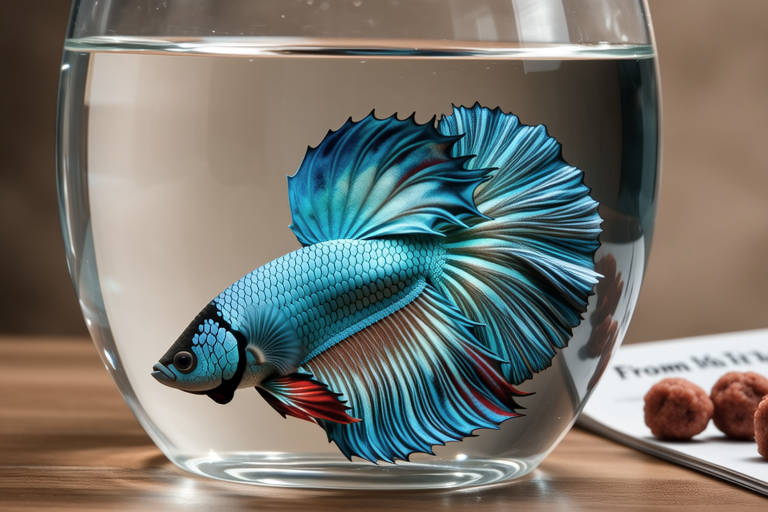
From Fin to Tail: A Beginner’s Guide to Betta Fish Care
Welcome to From Fin to Tail, your comprehensive guide to caring for betta fish! Whether you’re a first-time aquarist or looking to expand your fish-keeping knowledge, this guide will provide all the essential information you need to ensure your betta fish thrives in its new home.
Setting Up a Suitable Habitat
The first step in betta fish care is creating a comfortable and safe environment. Contrary to popular belief, bettas don’t thrive in tiny bowls. They require a minimum of 5 gallons of water to swim freely and maintain good health. Here’s how to set up your betta’s habitat:
- Tank Size: Choose a tank that holds at least 5 gallons of water. This size allows the betta to swim comfortably and helps maintain stable water conditions.
- Filtration: Invest in a filter that provides gentle filtration without strong water currents. Bettas have delicate fins and prefer calm waters.
- Heating: Bettas are tropical fish and require a constant water temperature between 76°F and 82°F (24°C and 28°C). Use a reliable aquarium heater to keep the water warm.
- Decorations: Add plants, caves, and other decorations to provide hiding spots and stimulate natural behaviors. Ensure all decor is smooth and free from sharp edges.
- Cleaning: Before adding your betta, thoroughly clean the tank and cycle it properly. Cycling establishes beneficial bacteria that help break down waste and toxins.
Water Parameters
Maintaining proper water quality is crucial for betta health. Here are the key water parameters to monitor:
- Temperature: As mentioned, bettas thrive between 76°F and 82°F (24°C and 28°C).
- pH Levels: Aim for a pH between 6.5 and 7.5. Regular testing ensures your betta’s water remains within this range.
- Ammonia and Nitrite: These harmful substances should be kept at zero. Regular partial water changes and proper cycling prevent their buildup.
- Nitrate: Keep nitrate levels below 40 ppm through regular water changes.
Test your water regularly and perform partial water changes every week to maintain these parameters. Water changes remove toxins and replenish beneficial minerals.
Tank Mates Compatibility
Bettas can coexist with certain tank mates as long as the conditions are right. However, it’s important to choose compatible species carefully:
- Non-aggressive Species: Peaceful fish like mollies, guppies, and platies can live harmoniously with bettas if they’re introduced together from a young age.
- Plants and Shelters: Provide ample hiding spots and plants to reduce stress and potential conflicts.
- Avoid Aggressive Fish: Avoid aggressive or fin-nipping species like tiger barbs, danios, and certain cichlids.
- Gender Considerations: Male bettas are territorial and may fight with each other. Female bettas can sometimes live together if provided with plenty of space and hiding spots.
Remember, every fish has its own personality. Observe their behavior closely and be prepared to separate incompatible tank mates.
Feeding Guidelines
Bettas are carnivorous and need a balanced diet to stay healthy. Here’s how to feed your betta properly:
- Diet: Offer high-quality betta pellets, freeze-dried or frozen bloodworms, and brine shrimp. Supplement their diet with occasional treats like daphnia or mosquito larvae.
- Frequency: Feed your betta twice daily, offering only what they can consume within 2 minutes. Overfeeding leads to poor water quality and health problems.
- Variety: Vary their diet to ensure they receive all necessary nutrients. Rotate between different types of food to keep them interested.
- Water Quality: Always feed your betta in clean water. Uneaten food can quickly degrade water quality.
Be mindful of portion sizes and avoid overfeeding. A well-fed betta is an active and vibrant one!
Common Health Issues
Despite your best efforts, bettas can still encounter health issues. Here’s how to identify and address some common problems:
- Fungal Infections: White patches on the body or fins indicate fungal infections. Treat with antifungal medications and improve water quality.
- Bacterial Infections: Redness, sores, or ulcers suggest bacterial infections. Use antibacterial treatments and maintain optimal water conditions.
- Fin Rot: Tattered or frayed fins are signs of fin rot. Improve water quality and treat with appropriate medications.
- Constipation: Bloated bellies and difficulty swimming point to constipation. Fast your betta for 24 hours and then feed them green peas.
- Swim Bladder Disease: Floating upside down or struggling to swim upright indicates swim bladder disease. Gradually raise the water temperature and offer easily digestible foods.
Regular observation and prompt action can prevent many health issues. If symptoms persist, consult a veterinarian specializing in aquatic animals.
Maintenance Tips
Proper maintenance keeps your betta’s habitat clean and healthy. Follow these tips for consistent care:
- Water Changes: Perform weekly partial water changes of 20-30% to maintain water quality. Always condition the new water before adding it to the tank.
- Filter Maintenance: Clean the filter media monthly to prevent clogging but avoid disturbing beneficial bacteria.
- Monitoring Equipment: Regularly check the heater, thermometer, and filter to ensure they’re functioning correctly.
- Observation: Spend time observing your betta daily. Note any changes in behavior, appearance, or appetite. Early detection of issues allows for timely intervention.
- Stress Reduction: Minimize sudden noises and movements near the tank. Stress can weaken the immune system and make your betta more susceptible to diseases.
Consistent maintenance ensures a thriving environment for your betta. With proper care, your betta will lead a long and healthy life.
Debunking Myths About Betta Fish Care
Many misconceptions surround betta fish care. Let’s clear up some common myths:
- Myth: Bettas Can Live in Small Bowls: Bettas need spacious tanks with proper filtration and heating. Small bowls lead to poor water quality and stress.
- Myth: Bettas Don’t Need a Heater: Bettas are tropical fish and require a heater to maintain their preferred water temperature.
- Myth: Bettas Are Low-Maintenance: While relatively easy to care for, bettas still need proper setup, regular feeding, and maintenance.
- Myth: Bettas Can Live Without a Filter: Filters help maintain water quality by removing waste and toxins. Bettas benefit from gentle filtration.
- Myth: Bettas Can Live Alone: Bettas are social creatures and can form bonds with compatible tank mates when given the right environment.
Understanding the truth behind these myths ensures better care for your betta and contributes to their overall well-being.
Conclusion
With the right setup, care, and attention, your betta fish will thrive in its new home. Remember, each betta is unique, and understanding their needs will deepen your bond with them. Enjoy the rewarding experience of caring for these beautiful creatures, and watch them flourish from fin to tail.
