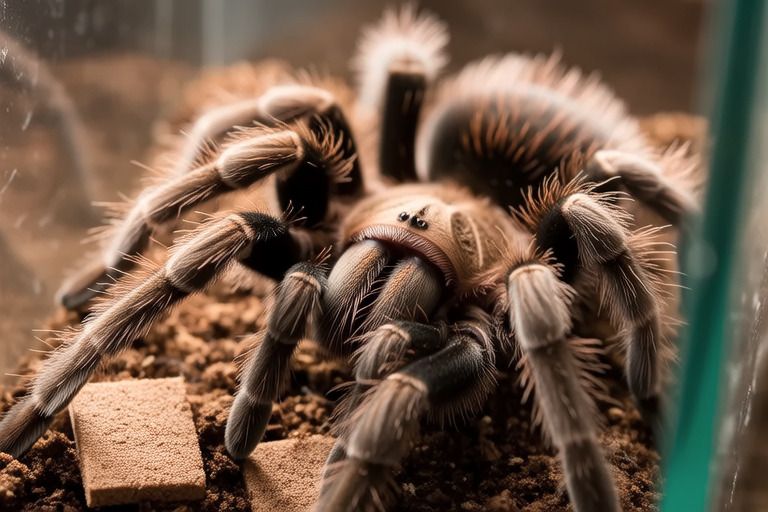
Top Secrets for Thriving Chilean Rose Tarantula Ownership: Tips and Tricks You Need to Know
Welcome to the world of Chilean rose tarantula ownership! These captivating creatures are one of the most popular choices for tarantula enthusiasts due to their docile nature and striking appearance. However, owning a Chilean rose tarantula (Grammostola rosea) comes with specific responsibilities that ensure their well-being and longevity. This guide will walk you through essential tips and tricks for thriving Chilean rose tarantula ownership, covering habitat setup, temperature and humidity control, feeding habits, handling techniques, and common health issues.
Habitat Setup
Creating the right environment for your Chilean rose tarantula is crucial. Start by selecting an appropriate enclosure; a 10-gallon tank or equivalent space is suitable for adults. Ensure the tank has a secure lid to prevent escapes. A substrate of coconut fiber, peat moss, or vermiculite is ideal, providing a natural burrowing environment. The substrate should be at least four inches deep, allowing your tarantula to dig and create a comfortable burrow.
Incorporate hiding spots such as cork bark or half logs to mimic their natural habitat. These provide security and reduce stress. Place the hide on the warm side of the enclosure, encouraging your tarantula to use it frequently. Additionally, include a water dish for hydration; make sure it’s shallow enough to prevent drowning.
Temperature and Humidity Control
Maintaining the correct temperature and humidity levels is vital for your tarantula’s health. Aim for temperatures between 78°F and 85°F (26°C – 29°C), ensuring a thermal gradient within the enclosure. Use a digital thermometer and hygrometer to monitor these conditions accurately.
Humidity should range from 60% to 80%. Achieve this by misting the enclosure daily, particularly the substrate, and adjusting ventilation accordingly. Too much moisture can lead to mold growth, while too little can cause dehydration. Regularly check and clean the enclosure to maintain optimal conditions.
Feeding Habits
Chilean rose tarantulas are carnivorous, primarily feeding on insects like crickets, mealworms, and dubia roaches. Offer prey items that are no larger than the width of the tarantula’s abdomen to prevent digestive issues. Feed juveniles every five to seven days, reducing frequency to once every two weeks for adults.
Vary the diet by introducing different prey types occasionally. Gut-load the insects with nutritious food before feeding them to your tarantula. This ensures your pet receives adequate nutrients. Remove uneaten prey after 24 hours to avoid potential harm.
Handling Techniques
While Chilean rose tarantulas are generally docile, they can become stressed when handled. Always handle your tarantula gently, minimizing contact. Use a plastic container or paper cup to transfer your tarantula from its enclosure, avoiding direct handling. If necessary, support the tarantula’s body, but never grasp its legs or abdomen.
Avoid sudden movements and loud noises around your tarantula, as these can trigger defensive behaviors. If your tarantula flicks urticating hairs or attempts to bite, calmly return it to its enclosure. Remember, handling should be minimized to prevent undue stress.
Common Health Issues
Despite proper care, Chilean rose tarantulas may encounter health issues. Common problems include mites, molting complications, and respiratory infections. Mites can infest the enclosure, causing irritation and discomfort. Regularly inspect your tarantula and enclosure for signs of mites, treating the issue promptly if detected.
Molting is a natural process, but complications can arise. During molting, your tarantula becomes vulnerable and less active. Provide a humid hide to aid the process. If the exoskeleton does not detach fully, consult a veterinarian specializing in exotic pets. Respiratory infections, often caused by poor environmental conditions, manifest as labored breathing or unusual behavior. Address these issues immediately to prevent further complications.
Unique Care Requirements
Chilean rose tarantulas have unique care requirements that set them apart from other tarantula species. Their burrowing behavior necessitates a deep substrate, providing ample space for digging. Unlike some tarantulas, they prefer cooler temperatures, making it easier to maintain their enclosure. Their docile nature allows for limited handling, but they still require careful attention to thrive.
Regular observation of your tarantula’s behavior and enclosure conditions is essential. Changes in appetite, activity level, or appearance can indicate underlying health issues. Promptly address any concerns to ensure your tarantula remains healthy and happy.
Conclusion
Owning a Chilean rose tarantula is a rewarding experience, provided you meet their unique care requirements. By setting up an appropriate habitat, controlling temperature and humidity, maintaining a balanced diet, employing safe handling techniques, and addressing common health issues, you can ensure your tarantula thrives. Whether you’re a novice or experienced owner, these tips and tricks will help you provide the best possible care for your Chilean rose tarantula, fostering a long and healthy relationship.
