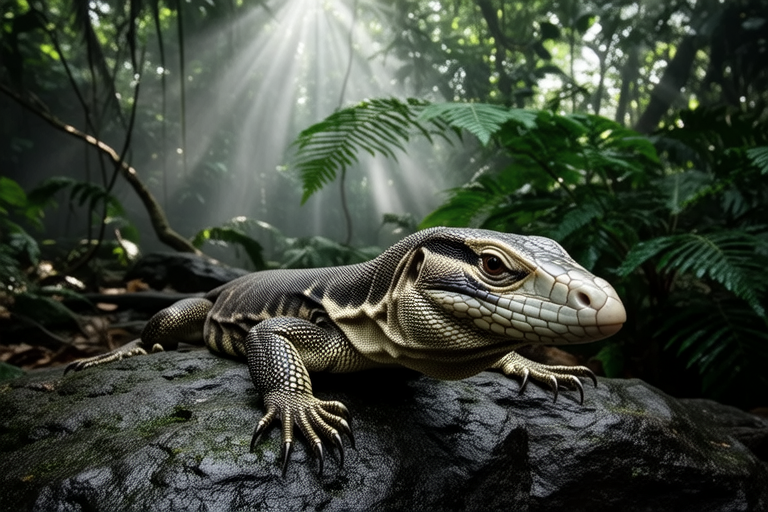
From Jungle to Home: The Ultimate Water Monitor Pet Experience
Introduction:
Water monitors (Varanus salvator) are some of the most impressive reptiles found in nature. These large lizards are native to Southeast Asia, where they thrive in diverse habitats from dense jungles to riverbanks and mangrove swamps. Their agility, intelligence, and adaptability have made them a subject of fascination for many animal enthusiasts. This article will guide you through the journey of bringing a water monitor from its natural jungle environment into your home, offering insights into their behavior, care requirements, and the unique experience of owning one.
Natural Habitat and Behaviors
In the wild, water monitors are highly versatile creatures, capable of thriving in a wide range of environments. They are semi-aquatic, meaning they spend time both on land and in water. Their natural habitats include dense forests, grasslands, and coastal areas. Water monitors are excellent swimmers and climbers, often seen basking on tree branches or diving into rivers to catch prey. They are opportunistic feeders, consuming a variety of animals, including insects, fish, small mammals, and even birds.
These lizards are known for their keen senses, particularly their sense of smell, which helps them locate food and navigate their surroundings. They are also intelligent, demonstrating problem-solving skills and even showing signs of playfulness. Their ability to learn and interact with humans makes them fascinating subjects for study and companionship.
Unique Characteristics
Water monitors possess several unique characteristics that set them apart from other reptiles. One of the most striking features is their size; adults can reach lengths of up to 7 feet and weigh around 30 pounds. Their powerful limbs and prehensile tails aid in climbing and swimming, while their sharp claws help them dig and defend themselves. Another notable feature is their long, forked tongue, which they use to detect chemical signals in the air, much like snakes.
Their intelligence and curiosity make them intriguing pets. Water monitors are capable of learning simple commands and can even develop bonds with their owners. They exhibit individual personalities, making each lizard a unique companion. However, it’s important to note that these lizards require significant space and specialized care, which is crucial for their well-being.
Responsibilities of Ownership
Owning a water monitor comes with substantial responsibilities. Proper housing is paramount; these lizards need a spacious enclosure that allows for ample swimming and climbing opportunities. A minimum tank size of 8 feet by 4 feet by 4 feet is recommended for adult monitors. The enclosure should be equipped with a secure lid, as these lizards are skilled escape artists. Additionally, it should provide areas for basking, swimming, and hiding.
Diet is another critical aspect of care. Water monitors are carnivorous and require a varied diet rich in proteins. Suitable foods include rodents, insects, fish, and occasional fruits. It’s essential to offer a balanced diet to ensure proper nutrition. Feeding should be done in a separate area to prevent contamination of the living space. Regular feeding schedules and appropriate portion sizes are key to maintaining their health.
Health care is equally important. Regular veterinary check-ups are necessary to monitor the lizard’s overall health and address any potential issues early. Common health concerns include parasites, infections, and nutritional deficiencies. Providing a clean and hygienic environment, along with routine health checks, can significantly reduce the risk of illness.
Tips for Interaction and Training
Interacting with your water monitor requires patience and understanding. Early socialization is crucial for building a trusting relationship. Start by handling your lizard gently and consistently, allowing it to become accustomed to human contact. Gradually introduce new experiences, such as different environments or toys, to stimulate their curiosity and engagement.
Training water monitors involves positive reinforcement techniques. Rewarding desired behaviors with treats or praise can encourage repetition. Simple commands, such as coming when called or staying still during handling, can be taught over time. It’s important to remember that each lizard has its own personality, so training may vary in effectiveness.
Commitment Required
Owning a water monitor is a significant commitment that demands dedication and resources. These lizards have a lifespan of 10 to 20 years, requiring long-term care and attention. The initial setup costs for housing, equipment, and supplies can be considerable, and ongoing expenses for food, veterinary care, and maintenance must be factored in.
Despite the challenges, water monitors can be rewarding pets for the right enthusiast. Their intelligence, adaptability, and unique characteristics make them fascinating companions. For those willing to invest the time and effort, owning a water monitor can be an enriching and fulfilling experience.
Conclusion:
From their origins in the lush jungles of Southeast Asia to their place in our homes, water monitors offer a glimpse into the wonders of the natural world. While they require careful consideration and responsible ownership, their intelligence, adaptability, and unique traits make them compelling pets for dedicated enthusiasts. By providing the right environment, diet, and care, you can ensure your water monitor thrives and becomes a cherished member of your family. Whether you’re drawn to their agility, intelligence, or sheer size, water monitors offer an unparalleled pet experience that is sure to captivate and inspire.
