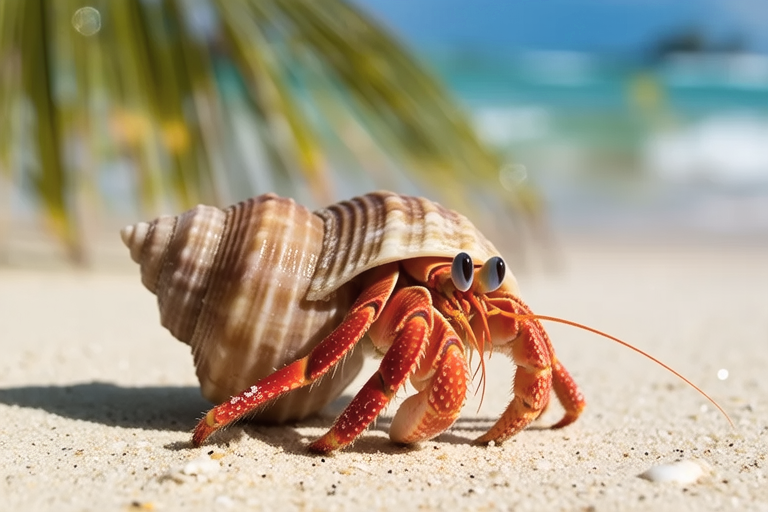
Hermit Crabs: The Ultimate Low-Maintenance Pet You Didn’t Know You Needed
When it comes to choosing a pet, most people think of dogs, cats, or perhaps fish. However, there’s a unique and often overlooked option that might just surprise you: hermit crabs. These fascinating creatures offer a refreshing alternative to traditional pets, combining a low-maintenance lifestyle with the charm of having a living companion. In this article, we’ll explore why hermit crabs make the perfect pet for those looking for something different and discuss everything you need to know about keeping these delightful crustaceans happy and healthy.
Unique Pets with Low Maintenance
Hermit crabs are not your typical household pets. They require significantly less attention than many other animals, making them ideal for busy individuals or first-time pet owners. Unlike dogs or cats, which demand regular walks and playtime, hermit crabs are self-sufficient and can entertain themselves for hours. Their small size also means they don’t take up much space, allowing you to enjoy their company without compromising your living environment.
Housing Hermit Crabs
Tank Size
The first step in providing a suitable habitat for your hermit crab is choosing an appropriate tank. A general rule of thumb is to provide at least one gallon of tank space per hermit crab. However, larger tanks are always better as they allow more room for exploration and interaction. For example, a 10-gallon tank would be sufficient for two to three hermit crabs, but a 20-gallon tank would provide ample space for five or six.
Substrate
A crucial element of a hermit crab’s environment is the substrate. This serves both as a place for them to burrow and as a source of calcium, which is essential for their exoskeletons. Coconut fiber, crushed coral, or a mixture of sand and soil works well. Ensure the substrate is moist enough to hold together when squeezed but not so wet that it becomes muddy. Regularly replacing the substrate helps maintain a clean environment and prevents the buildup of harmful bacteria.
Temperature Control
Hermit crabs thrive in warm, humid environments. Maintaining a temperature between 75°F and 85°F (24°C and 29°C) is ideal. Use a heat lamp or under-tank heater to achieve this, and monitor the temperature with a thermometer. Humidity levels should be kept around 70% to 80%. A spray bottle can help maintain humidity, especially if the tank starts to dry out. Proper temperature and humidity are vital for your hermit crabs’ health and well-being.
Feeding Hermit Crabs
Hermit crabs are omnivores, meaning they eat both plant and animal matter. Their diet should consist of a variety of foods to ensure they receive all necessary nutrients. Offer them fresh fruits like bananas, apples, and berries, along with vegetables such as carrots and leafy greens. Protein sources can include fish flakes, shrimp, or even small pieces of cooked chicken. Additionally, providing a calcium supplement is important for shell health. Crushed eggshells or cuttlebone can serve this purpose.
Social Behavior
Contrary to popular belief, hermit crabs are social creatures that enjoy interacting with both humans and each other. In the wild, they live in large colonies, and this social nature translates to captivity. When kept in groups, hermit crabs often engage in activities such as climbing, exploring, and even playing. Watching them interact can be a delightful experience, and their presence can bring a sense of calm to your home.
Health Issues and Prevention
While hermit crabs are generally hardy, they can still face health issues if their environment is not properly maintained. One common problem is shell disease, which occurs when the exoskeleton becomes infected. Keeping the substrate clean and ensuring proper humidity can help prevent this. Another issue is molting difficulties, which can happen if the crabs do not have access to enough calcium. Providing a calcium-rich diet and a shallow dish of water can aid in this process. Regular observation and prompt action when problems arise are key to maintaining your hermit crabs’ health.
Emotional Benefits
Owning hermit crabs can offer significant emotional benefits. Their gentle movements and curious nature can be soothing and relaxing. The responsibility of caring for these small creatures can also foster a sense of accomplishment and connection. Moreover, the minimal care demands mean you can enjoy their company without feeling overwhelmed. Hermit crabs are a wonderful choice for anyone seeking a peaceful and rewarding pet experience.
Actionable Advice for Potential Owners
If you’re considering adding hermit crabs to your family, here are some practical tips:
- Research thoroughly before purchasing to understand the specific needs of your chosen species.
- Invest in quality supplies from the start to avoid costly mistakes later.
- Regularly check the tank’s conditions and adjust as needed to keep your hermit crabs comfortable.
- Provide a variety of food options and ensure a balanced diet.
- Handle your hermit crabs gently and with care, respecting their space and natural behaviors.
By following these guidelines, you can ensure a long and happy life for your hermit crabs while enjoying the unique companionship they offer.
Conclusion
Hermit crabs are truly the ultimate low-maintenance pet. With their charming personalities, minimal care requirements, and the joy they bring to their owners, they are a fantastic addition to any household. By providing a suitable environment and proper care, you can enjoy the company of these delightful creatures for years to come. So, why not consider adding hermit crabs to your family? They just might become your new favorite pet.
