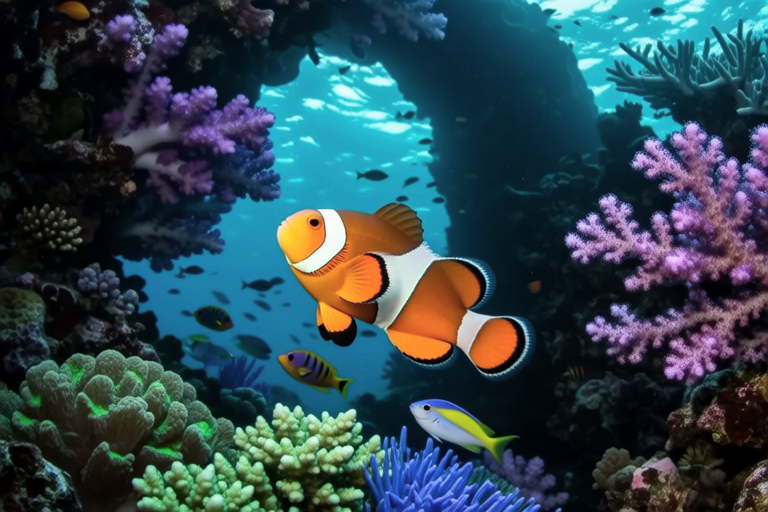
Clownfish Compatibility Guide: Perfect Tank Mates for Your Aquarium
Introduction to Clownfish
Clownfish, scientifically known as Amphiprioninae, have captured the hearts of aquarium enthusiasts worldwide. Their vibrant colors, unique personalities, and fascinating behaviors make them a popular choice for marine aquariums. These fish are particularly known for their symbiotic relationship with sea anemones, which provides them protection from predators while they, in turn, offer the anemone food particles.
Despite their popularity, many aquarium owners face challenges in selecting the right tank mates for their clownfish. This guide aims to provide a comprehensive overview of clownfish compatibility, helping you create a harmonious and thriving aquarium ecosystem.
General Tank Requirements for Clownfish
Before diving into the world of compatible tank mates, it’s essential to understand the specific needs of clownfish. They thrive in well-maintained saltwater tanks that mimic their natural habitat. Ideal water parameters include:
- Temperature: Between 76°F and 82°F (24°C to 28°C).
- pH Level: Ranging from 8.1 to 8.4.
- Salinity: Approximately 1.020 to 1.025 specific gravity.
- Air Circulation: Adequate filtration and water movement.
Additionally, clownfish require ample swimming space. A minimum tank size of 30 gallons is recommended for a single pair, but larger tanks are ideal for more fish or complex setups.
Key Factors to Consider When Choosing Tank Mates
When selecting tank mates for your clownfish, several factors must be considered:
- Temperament: Clownfish can be territorial, especially around their preferred hiding spots like anemones. Choose peaceful or semi-aggressive fish that won’t bully or stress out the clownfish.
- Size: Avoid housing clownfish with significantly larger or smaller species. The disparity in size can lead to aggression or predation.
- Dietary Needs: Ensure that the dietary requirements of all tank inhabitants are met without causing competition for food.
Compatible Species for Clownfish
Several species are known to coexist peacefully with clownfish. Here’s a detailed list:
1. Yellow Tang (Zebrasoma flavescens)
The yellow tang is a visually striking addition to any tank. These herbivores primarily feed on algae, reducing the risk of competition with carnivorous clownfish. However, due to their territorial nature, it’s best to introduce them early in the tank setup.
2. Blue Tang (Paracanthurus hepatus)
Blue tangs are another excellent choice. They are generally peaceful and thrive in larger tanks. Their diet mainly consists of algae and vegetables, making them a good match for clownfish.
3. Coral Beauty Angelfish (Centropyge bispinosus)
This small angelfish is known for its bright colors and peaceful demeanor. It feeds on algae and zooplankton, ensuring minimal competition for food with clownfish.
4. Firefish (Nemateleotris magnifica)
Firefish are tiny, darting fish that add a splash of color to the tank. They are generally non-aggressive and feed on small crustaceans and plankton.
5. Mandarin Dragonet (Synchiropus splendidus)
Mandarin dragonets are known for their vibrant hues and unique behavior. They are bottom-dwelling fish that eat tiny invertebrates, so they pose little threat to clownfish.
Incompatible Species for Clownfish
Certain species can cause significant issues when housed with clownfish:
1. Large Predatory Fish
Fish like lionfish, groupers, and large eels can prey on clownfish. Their predatory nature makes them unsuitable tank mates.
2. Aggressive Fish
Fish that are overly aggressive, such as damselfish and dottybacks, may harass or fight with clownfish, leading to stress and potential injury.
3. Highly Competitive Feeders
Species that compete aggressively for food, like triggerfish and pufferfish, can stress clownfish and lead to malnutrition.
Tips for Introducing New Tank Mates
Introducing new fish to your aquarium requires careful planning to ensure a smooth transition:
- Quarantine: Always quarantine new fish before introducing them to your main tank. This helps prevent the spread of diseases.
- Gradual Introduction: Float the bag containing the new fish in the tank for about 20 minutes to equalize temperature. Then, slowly release the fish into the tank using a net.
- Monitor Interactions: Keep a close eye on the interactions between the new and existing fish. If signs of aggression appear, separate the fish immediately.
Maintaining a Peaceful Aquarium Environment
To maintain a peaceful aquarium, regular maintenance is crucial:
- Water Quality: Regularly test and adjust water parameters to ensure they remain within optimal ranges.
- Feeding Schedule: Establish a consistent feeding schedule to minimize competition and reduce waste buildup.
- Decorations: Provide plenty of hiding spots and open spaces to reduce territorial disputes.
Monitoring the Tank’s Dynamics and Adjustments
Regular observation of your tank is vital. Look for signs of stress, such as lethargy, loss of color, or erratic swimming patterns. If issues arise, consider the following adjustments:
- Separate Aggressive Fish: If a fish becomes overly aggressive, it may need to be moved to a different tank.
- Adjust Feeding: Modify the feeding routine if competition for food becomes problematic.
- Enhance Water Quality: Improve filtration or perform more frequent water changes to enhance water quality.
By carefully selecting tank mates, maintaining proper tank conditions, and closely monitoring the dynamics, you can ensure a healthy and harmonious aquarium environment for your clownfish and other inhabitants.
