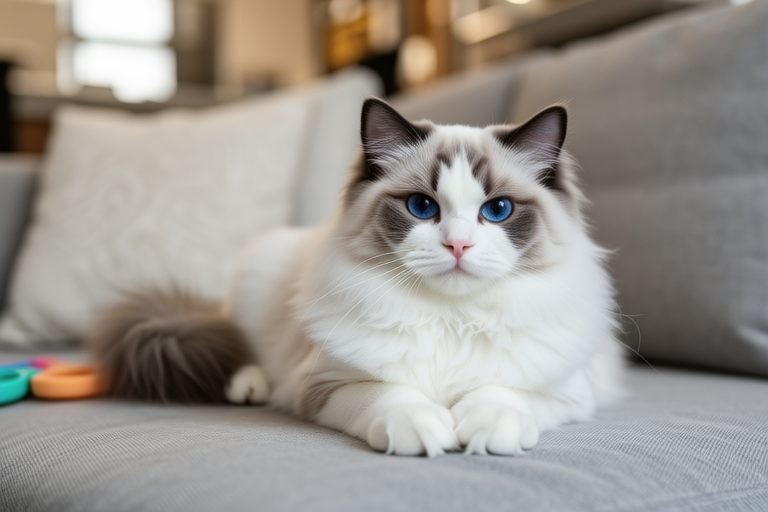
Living with a Ragdoll: Tips and Tricks for New Owners
Welcome to the wonderful world of Ragdolls! These enchanting felines have captured the hearts of many pet lovers with their gentle and affectionate nature. Known for their docile demeanor and striking blue eyes, Ragdolls are among the most popular cat breeds. Their laid-back personality makes them ideal companions for families, seniors, and individuals seeking a calm and loving pet. This article provides essential tips and tricks for new owners to ensure a happy and healthy life for your Ragdoll.
Dietary Needs
Proper nutrition is crucial for maintaining your Ragdoll’s health and well-being. High-quality cat food that meets the specific nutritional requirements of your cat is recommended. Choose a diet rich in protein and low in carbohydrates to support muscle development and overall health. Consult with your veterinarian to determine the appropriate portion sizes and feeding schedule based on your Ragdoll’s age, weight, and activity level.
Avoid feeding your Ragdoll table scraps or human food, as they can lead to obesity and other health issues. Fresh water should always be available to keep your cat hydrated. Additionally, consider offering your Ragdoll occasional treats, but make sure they are specifically designed for cats and given in moderation.
Grooming Requirements
Ragdolls have semi-longhair coats that require regular grooming to prevent matting and tangles. Brush your Ragdoll at least once a week to remove loose hair and distribute natural oils throughout its coat. Use a slicker brush or a comb with wide-spaced teeth for best results. During shedding seasons, you may need to increase the frequency of brushing to two or three times a week.
Bathing your Ragdoll is generally unnecessary unless it gets into something particularly messy. However, if you choose to bathe your cat, use a mild, unscented cat shampoo and avoid getting water in its ears or eyes. After bathing, gently towel dry your Ragdoll and use a blow dryer set on low heat and cool air to finish drying. Always ensure your Ragdoll is comfortable with the process and never force it into a situation that causes stress.
Trimming your Ragdoll’s nails regularly is also important. Long nails can cause discomfort and interfere with your cat’s ability to walk comfortably. Use nail clippers designed for cats and be careful not to cut too close to the quick, which contains blood vessels and nerves. If you’re unsure about trimming your cat’s nails, consult a professional groomer or your veterinarian for guidance.
Exercise Suggestions
Despite their relaxed demeanor, Ragdolls still need regular physical activity to maintain their health and prevent obesity. Interactive toys such as feather wands, laser pointers, and puzzle feeders can stimulate your Ragdoll’s mind and encourage play. Rotate toys periodically to keep your cat engaged and interested.
Provide opportunities for climbing and perching by setting up cat trees, shelves, and window perches. These structures allow your Ragdoll to explore and survey its surroundings, providing both mental and physical stimulation. Additionally, consider playing fetch with your Ragdoll using soft, lightweight balls or toys designed for this purpose. Encourage gentle play to strengthen the bond between you and your cat while ensuring both of you have fun.
Health Considerations
Regular veterinary check-ups are essential for monitoring your Ragdoll’s health and addressing any potential issues early. Discuss with your veterinarian the appropriate vaccination schedule, parasite control, and dental care plan for your cat. Early detection and prevention of health problems can significantly improve your Ragdoll’s quality of life.
Ragdolls are prone to certain hereditary conditions, including hypertrophic cardiomyopathy (HCM), a heart disease that affects the heart muscle. Regular heart screenings and echocardiograms can help monitor your cat’s heart health. Additionally, some Ragdolls may be susceptible to bladder stones, so it’s important to provide plenty of fresh water and monitor your cat’s urination habits.
Maintaining a clean litter box is vital for your Ragdoll’s hygiene and comfort. Scoop the litter box daily and completely change the litter and wash the box weekly. Place the litter box in a quiet, easily accessible area away from high traffic areas or loud noises. A clean and inviting litter box encourages proper elimination habits and helps prevent accidents outside the box.
Creating a Safe and Comfortable Living Environment
Your Ragdoll will thrive in a home that provides safety, comfort, and stimulation. Secure all windows with screens to prevent falls and ensure that balcony railings are cat-proof. Install childproof latches on cabinets and drawers to keep household chemicals and medications out of reach. Use cord clips to secure electrical cords and prevent chewing. Provide access to high perches and hiding spots to satisfy your Ragdoll’s desire for vertical territory.
Create cozy sleeping areas using soft, comfortable bedding. Consider placing beds near windows or in quiet corners where your Ragdoll can relax and observe its surroundings. Establish a consistent routine for feeding, playtime, and bedtime to provide structure and predictability. This can help reduce stress and anxiety for your cat.
Training Methods
Positive reinforcement is the most effective and humane method for training your Ragdoll. Reward desired behaviors with treats, praise, or play to encourage repetition. Be patient and consistent when teaching your cat basic commands or desired behaviors. Avoid punishment, as it can create fear and mistrust.
Clicker training is a popular technique that uses a small handheld device that makes a clicking sound to mark the exact moment your Ragdoll performs a desired behavior. Pair the click with a treat to reinforce the behavior. With time and practice, your Ragdoll will learn to associate the click with a reward and perform the behavior more reliably.
Redirect unwanted behaviors such as scratching furniture by providing alternative scratching posts and rewarding your cat when it uses them. Encourage your Ragdoll to use the litter box by placing it in a quiet, easily accessible location and keeping it clean. Consistency and positive reinforcement are key to successful training.
Bonding Activities
Spending quality time with your Ragdoll is essential for building a strong bond and fostering trust. Engage in interactive play sessions using toys that appeal to your cat’s hunting instincts. Spend time grooming your Ragdoll, which can be a relaxing and enjoyable experience for both of you. Create a special space where you can sit together and enjoy each other’s company, perhaps reading or watching television.
Consider teaching your Ragdoll tricks like sitting, shaking paws, or even walking on a leash. Training sessions can be a fun way to interact with your cat and provide mental stimulation. Remember, the goal is to have fun and strengthen your relationship, so keep training sessions short and positive.
Common Challenges and Solutions
New owners often face challenges when adjusting to life with a Ragdoll. Separation anxiety can occur if your cat becomes overly attached to you. Gradually increase the time spent apart to help your Ragdoll become more independent. Provide toys, scratching posts, and other distractions to keep your cat occupied during your absence.
Indoor marking is another common issue, especially if your Ragdoll feels stressed or territorial. Neutering or spaying your cat can reduce the likelihood of marking. Address any underlying issues causing stress, such as changes in the household or inadequate litter box maintenance. Provide multiple litter boxes in different locations to accommodate your cat’s preferences.
Obesity is a significant concern for indoor cats, including Ragdolls. Monitor your cat’s weight and adjust its diet and exercise routine as needed. Encourage play and physical activity to help your Ragdoll maintain a healthy weight. Consult your veterinarian if you notice any signs of weight gain or health issues related to obesity.
Living with a Ragdoll is a rewarding and enriching experience. By following these tips and tricks, you can ensure a happy, healthy, and loving life for your feline companion. Embrace the journey of sharing your home with a Ragdoll, and cherish the unique bond you’ll develop with your gentle and affectionate friend.
