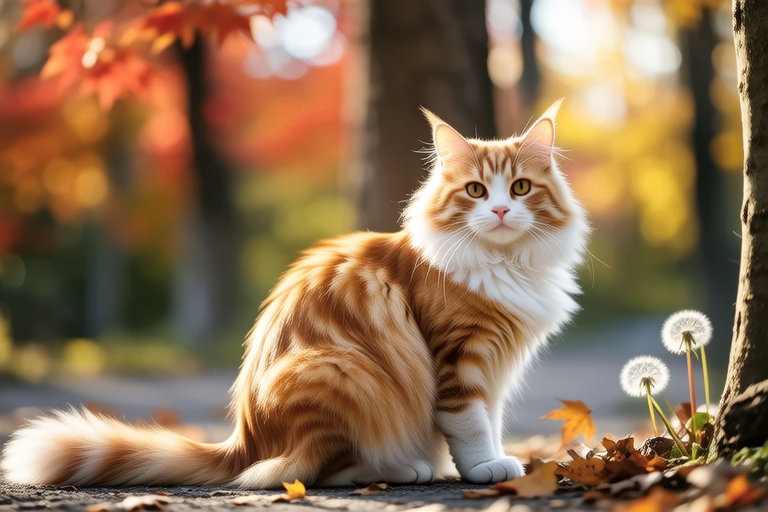
A Journey into the World of Orange Cats: Their Unique Traits
Orange cats have long captured the hearts of cat enthusiasts around the world. Their striking appearance, coupled with their often sunny dispositions, makes them a favorite among pet owners. These felines, sometimes referred to as ginger or marmalade cats, are not just visually appealing but also bring a unique charm to any household.
The Popularity and Charm of Orange Cats
One cannot help but notice the widespread affection for orange cats. Their vibrant coats make them stand out in a crowd, and their personalities often match their bold appearance. Orange cats are frequently featured in popular culture, from animated films to internet memes, further cementing their status as beloved pets. Their popularity extends beyond aesthetics; many believe that these cats bring good luck, adding to their mystique.
The Genetic Factors Behind Their Distinctive Coats
The striking orange coat of these cats is primarily due to a genetic factor known as the ginger gene. This gene is responsible for producing the reddish-orange pigment, pheomelanin, which gives these cats their characteristic color. The ginger gene is sex-linked, meaning it is carried on the X chromosome. As a result, orange cats are predominantly male, since males have one X and one Y chromosome, making it easier for them to express the single copy of the gene. Females, having two X chromosomes, require both copies of the gene to display the orange color, which is less common.
Common Personality Traits of Orange Cats
Behavioral studies and anecdotal evidence suggest that orange cats often exhibit certain personality traits. Many owners describe their orange cats as being particularly affectionate and social. They tend to form strong bonds with their human companions and other pets, making them ideal for families or individuals seeking a companionable pet. Additionally, orange cats are known for their playful nature, often engaging in interactive play with toys and their owners. Their curiosity and energy make them entertaining and delightful to watch.
Varieties of Breeds Featuring Orange Coats
Several cat breeds are known for their orange coats, each with its own unique set of characteristics. The Maine Coon, a large and robust breed, often features an orange coat, blending elegance with strength. Known for their gentle demeanor and loyalty, Maine Coons are excellent family pets. The British Shorthair, another breed that can have an orange coat, is recognized for its round face and dense fur. These cats are generally calm and laid-back, making them suitable for quieter households. The Abyssinian, with its sleek, ticked coat, is another breed that can be orange. These cats are known for their high energy and intelligence, requiring plenty of mental stimulation.
Health Considerations for Orange Cats
While orange cats are generally healthy, there are some health considerations unique to them. Research has shown that orange cats, especially those who are male, may be at a higher risk for certain conditions such as diabetes and hyperthyroidism. Regular veterinary check-ups are essential to monitor their health and catch any potential issues early. Proper nutrition and regular exercise can also help mitigate these risks. It’s important for owners to be vigilant about their orange cat’s diet and activity levels to ensure they maintain optimal health.
Perfect Companions for Different Types of Households
Orange cats can be perfect companions for various types of households. Their affectionate and social nature makes them great for families with children, as they enjoy interaction and play. Their playful and curious demeanor also means they can provide endless entertainment for singles or couples looking for a lively companion. For those in smaller living spaces, the adaptability and calmness of certain orange breeds like the British Shorthair can make them ideal apartment dwellers. Ultimately, the right orange cat can bring joy and companionship to any home, regardless of size or lifestyle.
