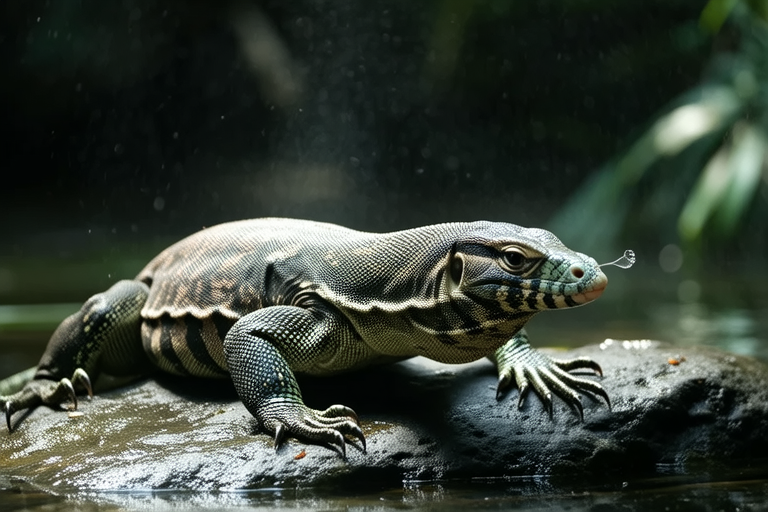
Top 10 Myths About Water Monitors Debunked
Water monitors (Varanus salvator) are among the largest lizards in the world, known for their impressive size, agility, and unique behaviors. Native to Southeast Asia, these reptiles can grow up to 3 meters long and are excellent swimmers, climbers, and runners. Their diet consists mainly of fish, small mammals, birds, and insects, making them formidable predators in their natural habitats. Despite their fascinating nature, water monitors have been surrounded by myths and misconceptions. This article aims to debunk ten common myths about these remarkable creatures.
Myth 1: Water Monitors Are Dangerous to Humans
Myth: Water monitors are aggressive and pose a significant threat to humans.
Debunking: While water monitors are powerful and can defend themselves if provoked, they generally avoid human interaction. In their natural habitats, they prefer to stay away from people. Attacks on humans are rare and usually occur when the monitor feels threatened or cornered. With proper handling and respect for their space, water monitors can coexist peacefully with humans.
Factual Information: Water monitors are not naturally aggressive towards humans. They are more likely to flee than confront a potential threat. However, due to their strong jaws and sharp claws, it’s essential to handle them carefully and respect their boundaries.
Myth 2: Water Monitors Can Only Live in Water
Myth: Water monitors spend most of their time in water.
Debunking: Although water monitors are adept swimmers and often found near water bodies, they are equally comfortable on land. These lizards are semi-aquatic, meaning they can thrive both in water and on land. Their ability to swim allows them to hunt aquatic prey and escape from predators, but they also spend considerable time basking on branches or rocks.
Factual Information: Water monitors are versatile and can adapt to various environments, including forests, mangroves, and grasslands. Their strong limbs enable them to climb trees, and they are skilled at running across open ground.
Myth 3: Water Monitors Are Easy to Keep as Pets
Myth: Water monitors make great pets for reptile enthusiasts.
Debunking: While water monitors may seem appealing due to their striking appearance, they require specialized care and a substantial amount of space. These large reptiles need extensive enclosures that mimic their natural habitats, complete with swimming areas, climbing structures, and ample heat and light sources. Additionally, they have specific dietary needs and can be challenging to handle.
Factual Information: Water monitors are best suited for experienced reptile keepers who can provide the necessary resources and attention. Potential owners must research thoroughly before deciding to adopt one.
Myth 4: Water Monitors Hibernate
Myth: Water monitors hibernate during colder months.
Debunking: Water monitors do not hibernate like some other reptiles. Instead, they brumate, which means they become less active and reduce their metabolic rate during cooler periods. Brumation is a response to temperature changes and helps the monitors conserve energy. During this period, they seek out sheltered areas, such as burrows or dense vegetation, to wait out the cold.
Factual Information: Brumation is different from hibernation. Water monitors can brumate for several weeks or even months, depending on the severity of the weather. This adaptation allows them to survive in regions with seasonal temperature fluctuations.
Myth 5: Water Monitors Are Carnivorous
Myth: Water monitors eat only meat.
Debunking: While water monitors are primarily carnivorous, their diet can include a variety of plant matter. In the wild, they consume fruits, seeds, and other plant-based foods in addition to their usual prey. This omnivorous diet provides them with essential nutrients and helps maintain their overall health.
Factual Information: A balanced diet for captive water monitors should include a mix of meat (such as rodents and fish) and plant matter. Providing a diverse range of food items ensures that these reptiles receive all the necessary vitamins and minerals.
Myth 6: Water Monitors Can Regenerate Lost Limbs
Myth: If a water monitor loses a limb, it can regenerate it.
Debunking: Water monitors cannot regenerate lost limbs. However, they have the ability to shed parts of their tails (a process called autotomy) to escape predators. The tail regenerates over time, but it will never fully regain its original form or length. This survival mechanism is crucial for their protection against threats in the wild.
Factual Information: Regeneration of lost body parts is limited in reptiles. While water monitors can regrow their tails, it takes time and does not result in a perfect replica of the original tail.
Myth 7: Water Monitors Are Nocturnal
Myth: Water monitors are primarily active at night.
Debunking: Water monitors are diurnal, meaning they are most active during the day. They rely on sunlight for thermoregulation and to aid in digestion. Their daily activity patterns help them locate prey and navigate their environment efficiently.
Factual Information: Captive water monitors should be provided with a consistent daylight cycle to promote healthy behavior. Proper lighting is essential for their well-being.
Myth 8: Water Monitors Are Social Creatures
Myth: Water monitors live in groups and are social animals.
Debunking: Water monitors are solitary animals, except during mating season. They prefer to live alone and establish territories where they can hunt and rest undisturbed. Interactions between adult water monitors are typically limited to breeding activities.
Factual Information: In captivity, housing multiple water monitors together can lead to stress and aggression. It’s best to provide each monitor with its own enclosure to ensure their comfort and safety.
Myth 9: Water Monitors Have Poor Eyesight
Myth: Water monitors have poor eyesight and rely solely on their sense of smell to find prey.
Debunking: Water monitors have excellent vision, especially in low-light conditions. Their eyes are adapted to detect movement and color, which aids in hunting. While their sense of smell is highly developed and plays a crucial role in detecting prey, their vision is equally important in their hunting strategy.
Factual Information: Water monitors use a combination of sight and smell to locate and capture their prey. Their keen senses allow them to be efficient hunters in their natural habitats.
Myth 10: Water Monitors Are Endangered
Myth: Water monitors are endangered and facing extinction.
Debunking: While water monitors face threats from habitat loss and illegal wildlife trade, they are currently listed as Least Concern on the IUCN Red List. Conservation efforts, including habitat protection and anti-poaching measures, are helping to maintain their populations. However, continued vigilance is necessary to ensure their future.
Factual Information: Protecting water monitors’ natural habitats and reducing demand for their skins and meat in the illegal wildlife trade are key steps in preserving their species.
Conclusion
Water monitors are fascinating and complex animals with many unique traits and behaviors. By dispelling common myths, we can gain a better understanding of these remarkable creatures and appreciate their importance in ecosystems. Accurate information is crucial for responsible ownership, conservation efforts, and ensuring the well-being of water monitors. Whether you’re a seasoned reptile enthusiast or simply curious about these amazing lizards, learning the facts will deepen your appreciation for these incredible animals.
