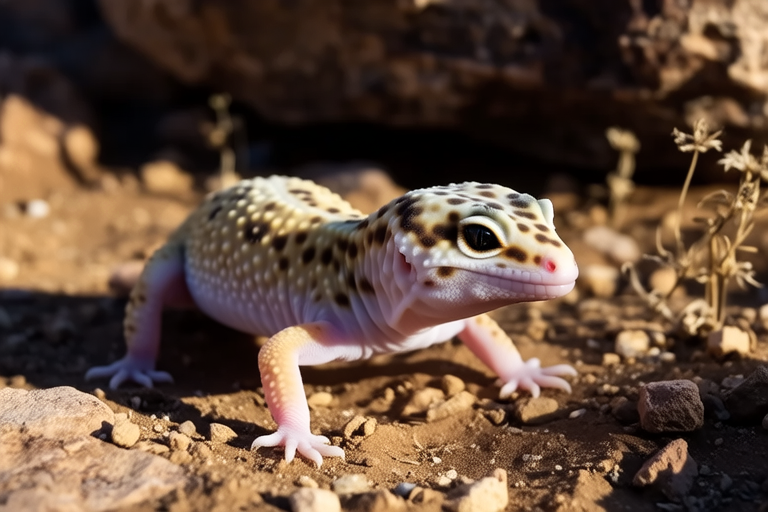
Unraveling the Mystery: Understanding the Unique Behavior of Leopard Geckos
Leopard geckos have become one of the most popular pet reptiles in recent years. Their docile nature, ease of care, and vibrant appearance make them an ideal choice for both beginners and seasoned reptile enthusiasts. These charming creatures belong to the genus Eublepharis macularius, and their unique characteristics have captivated many. In this article, we will delve into the world of leopard geckos, exploring their natural habitat, behavior, and how these aspects influence their interactions in captivity.
The Natural Habitat and Its Influence on Behavior
Native to the arid regions of Afghanistan, Pakistan, and parts of India, leopard geckos thrive in desert environments characterized by rocky terrain and sparse vegetation. The harsh conditions of their natural habitat have shaped their behavior and physiology. Adaptations such as nocturnal activity patterns and efficient water conservation strategies are crucial for their survival in the wild. Understanding these adaptations helps us provide suitable living conditions for our pet leopard geckos.
Nocturnal Activity and Hunting Techniques
One of the most distinctive behaviors of leopard geckos is their nocturnal activity. They are crepuscular, meaning they are most active during twilight hours, which is when temperatures are more moderate. This behavior minimizes exposure to predators and extreme heat. Leopard geckos are also adept hunters, primarily feeding on insects like crickets and mealworms. They use their keen sense of smell and vibrations to locate prey, making them efficient predators despite their small size.
When it comes to hunting, leopard geckos exhibit remarkable precision. They rely on their powerful jaws and sharp teeth to catch and subdue prey. Additionally, their flexible bodies allow them to maneuver in tight spaces, further enhancing their hunting capabilities. Owners can replicate this environment by providing hiding spots and appropriate substrate that mimic their natural surroundings.
Tail-Dropping: A Survival Mechanism
Perhaps one of the most intriguing behaviors of leopard geckos is their ability to drop their tails. This phenomenon, known as autotomy, serves as a defense mechanism against predators. When threatened, a leopard gecko can voluntarily detach its tail, which continues to wiggle and distract the predator while the gecko escapes. However, it’s important to note that this process is energetically costly and can leave the gecko vulnerable until a new tail grows back.
In captivity, tail-dropping is often a sign of stress or discomfort. It could be due to improper handling, overcrowding, or inadequate environmental conditions. As responsible owners, it’s essential to ensure our geckos are comfortable and secure in their enclosures to prevent unnecessary tail loss.
Social Behavior and Communication Methods
Contrary to popular belief, leopard geckos are not entirely solitary creatures. While they are primarily independent, they do exhibit social behaviors under certain circumstances. In the wild, they may interact with others during mating season or when sharing resources. However, these interactions are usually brief and limited.
Communication among leopard geckos is subtle but effective. They use visual cues, body language, and pheromones to convey messages. For example, a dominant gecko might display aggressive postures or flick its tail to assert its authority. Conversely, submissive geckos may adopt crouched positions or retreat to safer areas. In captivity, it’s crucial to provide ample space and hiding spots to reduce stress and promote healthy interactions.
Catering to Behavioral Needs in Captivity
To ensure the well-being of your leopard gecko, it’s vital to recreate its natural environment as closely as possible. Start by setting up an appropriately sized enclosure with a secure lid to prevent escapes. Use a combination of substrate, rocks, and plants to create a stimulating habitat. Providing hiding spots and climbing structures encourages exploration and exercise, which are essential for maintaining good health.
Temperature regulation is another critical aspect of care. Leopard geckos require a temperature gradient within their enclosure, typically ranging from 78°F to 90°F (25°C to 32°C). A heat lamp or ceramic heater can help achieve this, ensuring there’s a cool side and a warm side for your gecko to regulate its body temperature. Proper humidity levels are equally important, especially during shedding periods. Maintaining a relative humidity of 40% to 60% ensures smooth skin shedding without causing undue stress.
Diet is another crucial factor in meeting your leopard gecko’s needs. Offer a varied diet consisting of live insects, ensuring proper supplementation to prevent nutritional deficiencies. Gut-loading insects before feeding them to your gecko enhances their nutritional value. Regularly scheduled feeding times help establish a routine, reducing stress and promoting consistent weight gain.
The Importance of Continuous Learning
As with any pet, continuous learning is essential for providing optimal care for your leopard gecko. Stay informed about advancements in reptile care, attend workshops or seminars, and engage with other enthusiasts. Joining online forums or local clubs can provide valuable insights and support. By staying updated, you can adapt your practices to better meet your gecko’s needs, fostering a deeper bond and ensuring a long, healthy life.
In conclusion, understanding the unique behavior of leopard geckos is key to becoming a responsible and knowledgeable owner. From their nocturnal habits to their social dynamics, each aspect of their behavior offers insight into their needs and preferences. By recreating their natural environment and catering to their specific requirements, you can provide a loving home for these fascinating creatures. Embrace the journey of learning and discovery, and enjoy the rewarding experience of caring for your pet leopard gecko.
