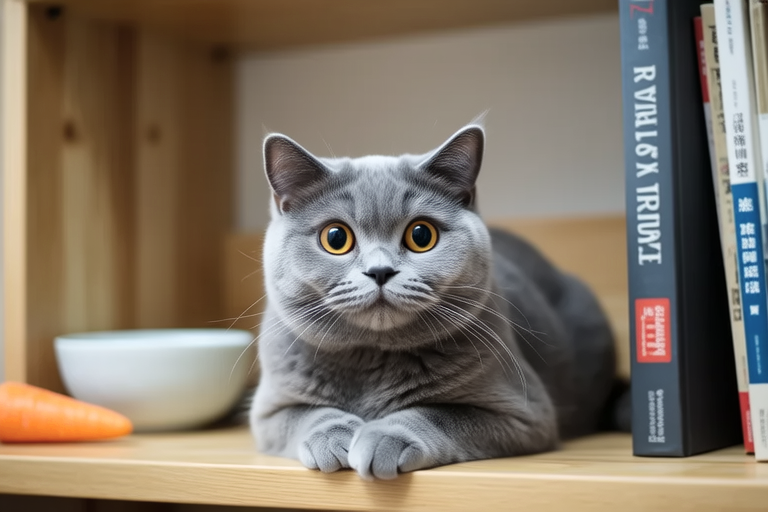
Beyond Cute: Discover Why Chinchillas Are the Perfect Pet Companion
Chinchillas have long been cherished for their plush, luxurious fur and adorable demeanor. These small, rodent-like creatures are often mistaken for toys or decorations due to their captivating appearance. However, beyond their charming looks, chinchillas offer much more than just visual appeal. They are intelligent, social animals that can become loyal companions for the right owner. This article delves into the world of chinchillas, exploring their unique characteristics, care requirements, and why they make perfect pet companions.
Introduction to Chinchillas: Unique Pets with Misconceptions
Chinchillas are native to the Andes Mountains in South America and have adapted to living in high altitudes. Their soft, dense fur serves as insulation against the cold mountain climate, making them one of the most sought-after pets for their appearance. Despite their popularity, there are several misconceptions about chinchillas. One common myth is that they are low-maintenance pets, requiring minimal attention. In reality, chinchillas need a significant amount of care and attention to thrive. Another misconception is that they are solitary animals. While chinchillas can be kept alone, they are social creatures that benefit from interaction and companionship.
Care Requirements: Diet, Habitat Setup, and Grooming Needs
Diet
Feeding chinchillas a balanced diet is crucial for their overall health. Their diet should primarily consist of hay, which provides essential fiber for digestion. Pellets formulated specifically for chinchillas should also be included to ensure they receive necessary nutrients. Fresh water should always be available, and occasional treats like raisins or dried fruits can be given sparingly. Avoid feeding them sugary or starchy foods, as these can lead to health issues such as obesity or dental problems.
Habitat Setup
Creating a suitable habitat for your chinchilla is vital for their well-being. A spacious cage with multiple levels is ideal, allowing them room to explore and exercise. The cage should be made of metal to prevent chewing and should include ramps, platforms, and tunnels for enrichment. Bedding should be absorbent and dust-free, such as paper-based products. Chinchillas also require a dust bath at least three times a week to keep their fur clean and healthy. Ensure the cage is placed in a quiet area away from direct sunlight or drafts.
Grooming Needs
Chinchillas have a thick coat that requires regular grooming. As mentioned earlier, dust baths are essential for maintaining their fur’s cleanliness and preventing skin issues. It is important to use a dust formula specifically designed for chinchillas, as other types of dust can be harmful. Additionally, chinchillas may need nail trims every few months to avoid overgrowth, which can cause discomfort or injury. Regular brushing can help remove loose fur and prevent matting.
Behavior and Temperament: Social Creatures with Unique Traits
Chinchillas are highly social animals that enjoy the company of humans and other chinchillas. They are known for their playful nature and can form strong bonds with their owners. However, it is important to note that chinchillas are prey animals and may exhibit skittish behavior when startled or stressed. Patience and gentle handling are key when interacting with them. Chinchillas are also intelligent and can learn simple tricks, making training sessions a fun way to bond.
Tips for Interacting with Chinchillas
When interacting with your chinchilla, it is important to create a safe and comfortable environment. Allow them time to acclimate to new surroundings before handling. Use gentle, slow movements to avoid startling them. Always support their body when holding them to prevent injuries. Chinchillas enjoy playtime and can be entertained with toys such as chew sticks, balls, and tunnels. Providing mental stimulation helps prevent boredom and promotes a healthy lifestyle.
Ensuring Happiness and Health
To ensure your chinchilla’s happiness and health, regular veterinary check-ups are essential. Chinchillas can be prone to certain health issues, such as dental problems or respiratory infections, so early detection and treatment are crucial. Monitoring their behavior and diet can also provide valuable insights into their well-being. Signs of illness may include changes in appetite, lethargy, or abnormal droppings. Creating a routine that includes playtime, grooming, and social interaction will contribute to a happy and healthy chinchilla.
Conclusion: Qualities That Make Chinchillas Ideal Pets
Chinchillas are unique pets that offer companionship and joy for those willing to meet their specific needs. Their intelligence, social nature, and playful demeanor make them wonderful companions for the right owner. By providing proper care, a suitable habitat, and regular attention, you can ensure your chinchilla leads a happy and healthy life. With patience, love, and understanding, chinchillas can become cherished members of your family, offering years of companionship and entertainment.
