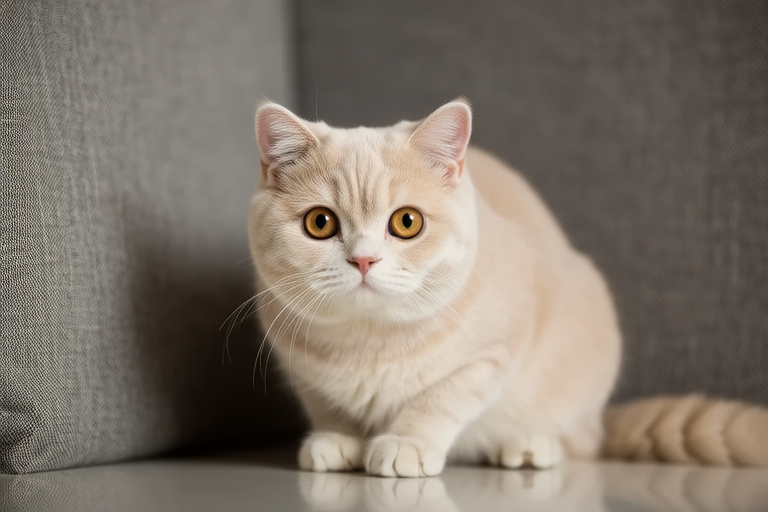
Short-Legged Wonders: Discover the Charm of Munchkin Cats
Welcome to the enchanting world of Munchkin cats! These adorable felines are known for their short legs, which give them a distinct appearance that’s both charming and whimsical. While they may look like they’ve been caught in a growth spurt gone wrong, Munchkin cats are far from ordinary. In this article, we will explore their unique physical characteristics, playful and affectionate nature, common health concerns, and debunk some popular myths surrounding their breed. Additionally, we’ll provide tips for potential owners on how to best care for these delightful creatures.
The Unique Physical Characteristics of Munchkin Cats
Munchkin cats are distinguished by their disproportionately short legs, a result of a genetic mutation. This trait is inherited through a dominant gene, meaning that even one parent carrying the gene can pass it on to its offspring. Despite their shortened limbs, Munchkin cats have a normal body length, leading to a somewhat exaggeratedly long torso in proportion to their legs. Their bodies are well-proportioned, with a sturdy build and a broad chest, giving them a robust appearance.
These cats come in a variety of coat lengths and colors, further enhancing their uniqueness. Whether you prefer a sleek short-haired Munchkin or a fluffy long-haired one, there’s a Munchkin cat to suit every taste. Their coats can be solid, tabby, tortoiseshell, or any other pattern you can imagine. One of the most striking features of Munchkin cats is their large, expressive eyes, which seem to sparkle with curiosity and intelligence.
Despite their short legs, Munchkin cats are surprisingly agile. They can jump, run, and play just as energetically as their longer-legged counterparts. However, their shorter stature does make them more prone to certain physical challenges, which we will discuss later in the article.
A Playful and Affectionate Nature
Besides their distinctive looks, Munchkin cats are renowned for their playful and affectionate personalities. These cats are often described as being social butterflies, thriving in environments where they can interact with people and other animals. They enjoy playing fetch, chasing toys, and exploring their surroundings with great enthusiasm.
One of the most endearing traits of Munchkin cats is their ability to bond closely with their human companions. They are known to follow their owners around the house, seeking attention and affection at every opportunity. Many Munchkin cat owners report that their pets are particularly fond of sitting on laps or curling up next to their owners while they relax. This close bond makes Munchkin cats excellent companions for individuals who are looking for a pet that provides constant companionship and love.
Let’s take the example of Sarah, a young professional who adopted a Munchkin cat named Whiskers. “Whiskers has become my best friend,” Sarah says. “He follows me everywhere, and I can always count on him to brighten my day. He loves to play with his toys and cuddle up with me after a long day at work.” Sarah’s experience is typical of many Munchkin cat owners who find themselves deeply attached to their pets.
Common Health Concerns
While Munchkin cats are generally healthy, their unique physical characteristics do predispose them to certain health issues. One of the most significant concerns is spinal problems, such as lordosis (an inward curve of the spine) and kyphosis (a humpback deformity). These conditions can cause pain and discomfort, especially if left untreated. It’s important for owners to monitor their Munchkin cats for signs of spinal issues and consult a veterinarian if they notice any changes in their cat’s posture or mobility.
Another concern for Munchkin cats is obesity. Due to their short legs, they may have difficulty exercising as much as other cats, making weight management crucial. Regular exercise and a balanced diet are essential to keep Munchkin cats healthy and prevent obesity-related health problems. Interactive play sessions and providing plenty of toys can help encourage physical activity and mental stimulation.
In addition to these specific concerns, Munchkin cats are also susceptible to the same general health issues as other domestic cats, such as dental disease, urinary tract infections, and gastrointestinal problems. Routine veterinary check-ups and preventative care, including vaccinations and parasite control, are vital for maintaining the overall health of your Munchkin cat.
Popular Myths Surrounding Munchkin Cats
There are several misconceptions about Munchkin cats that need to be addressed. One common myth is that Munchkin cats are unhealthy or suffer from severe mobility issues. While it’s true that they may face some physical challenges due to their short legs, responsible breeding practices and proper care can minimize these risks. Another myth is that Munchkin cats are not good climbers. While they may not climb as high as other cats, Munchkin cats can still reach elevated areas with some effort and determination.
Some people believe that Munchkin cats are more prone to respiratory problems because of their short legs. This belief is unfounded, as the shortness of their legs does not affect their respiratory system. It’s important to separate fact from fiction when considering the health and well-being of Munchkin cats.
Tips for Potential Owners
If you’re considering adopting a Munchkin cat, there are several things to keep in mind to ensure their happiness and health. First and foremost, choose a reputable breeder who prioritizes the health and well-being of their cats. A responsible breeder will provide documentation of health screenings and vaccinations, as well as offer guidance on caring for your new pet.
Providing a safe and stimulating environment is crucial for Munchkin cats. Since they are less mobile than other cats, it’s important to create a space where they can move freely without obstacles. Remove or secure items that could pose a tripping hazard, and consider placing food, water, and litter boxes at accessible heights.
Regular exercise is essential for keeping Munchkin cats fit and healthy. Interactive toys, such as laser pointers and feather wands, can help stimulate their minds and bodies. You can also encourage climbing by providing cat trees or shelves that are easy for them to access.
Lastly, be prepared for the commitment of owning a Munchkin cat. These cats form strong bonds with their owners and require consistent attention and care. By providing a loving home and meeting their needs, you can ensure that your Munchkin cat lives a happy and fulfilling life.
Conclusion
Munchkin cats are truly short-legged wonders that bring joy and companionship to countless households. Their unique appearance, playful nature, and affectionate personalities make them irresistible to cat lovers everywhere. While they do face some health concerns, responsible ownership and proper care can help mitigate these risks and ensure a long, healthy life for your Munchkin cat.
If you’re considering adding a Munchkin cat to your family, take the time to learn about their specific needs and prepare yourself for the rewarding experience of owning one of these delightful creatures. With their endearing charm and boundless energy, Munchkin cats are sure to capture your heart and become an integral part of your life.
