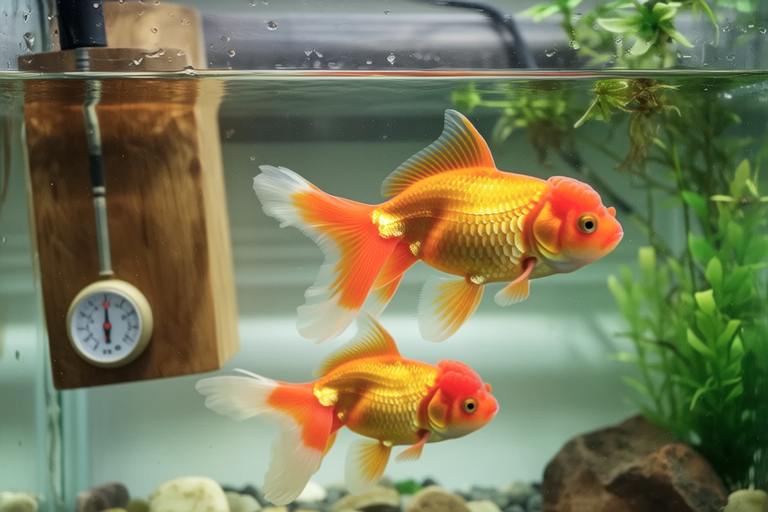
Creating an Ideal Habitat for Your Goldfish: Tips and Tricks
Welcome to the world of goldfish ownership! Goldfish are beloved pets for their vibrant colors and playful personalities. However, ensuring your goldfish thrive requires creating an ideal habitat that meets their biological needs. This comprehensive guide will walk you through the essentials of setting up a goldfish tank, maintaining water quality, choosing the right tank mates, and more.
Essential Tank Setup
The first step in creating a goldfish-friendly environment is setting up the tank correctly. Goldfish are active swimmers, so they need ample space to move around comfortably. A general rule of thumb is to provide at least 20 gallons of water per goldfish. Larger tanks also allow for better water quality management.
When selecting a tank, consider its shape. Round or bow-front tanks are not recommended because they have less surface area for oxygen exchange. Opt for a long rectangular tank instead, which offers more swimming space and better oxygen circulation.
Water Quality Maintenance
Water quality is crucial for the health and longevity of your goldfish. Poor water quality can lead to stress, disease, and even death. Regular water changes are essential; aim to change about 25% of the water weekly. Use a gravel vacuum to remove waste from the substrate during these changes.
Test kits are invaluable tools for monitoring ammonia, nitrite, and nitrate levels. Ammonia and nitrite should always read zero, while nitrates should be kept below 40 ppm. If levels are high, perform more frequent water changes or increase the size of your filtration system.
Appropriate Filtration Systems
Filtration is key to maintaining clean water in your goldfish tank. Choose a filter with a flow rate of at least four times the volume of your tank per hour. For example, if you have a 20-gallon tank, opt for a filter rated for 80 gallons per hour.
There are three main types of filtration: mechanical, biological, and chemical. Mechanical filtration removes debris from the water, biological filtration converts harmful ammonia into less toxic substances, and chemical filtration absorbs dissolved organic compounds. A combination filter that includes all three types is ideal for goldfish tanks.
Suitable Tank Mates
Goldfish are social creatures and enjoy the company of others. However, not all fish species are compatible with goldfish. Avoid aggressive or fin-nipping fish like tiger barbs and danios. Instead, choose peaceful companions such as other goldfish, fantail goldfish, or peaceful bottom-dwelling fish like loaches.
Ensure any new additions to the tank are properly quarantined before introducing them to avoid the spread of diseases. Always research potential tank mates thoroughly to ensure compatibility based on size, temperament, and care requirements.
Necessary Decorations
Decorations not only enhance the aesthetic appeal of your tank but also provide hiding spots and enrichment for your goldfish. Incorporate live plants like java moss, anubias, or hornwort. These plants improve water quality by absorbing nutrients and offering natural cover.
Artificial decorations can include caves, castles, and tunnels. Be cautious with decorations that have sharp edges or small openings where fins could get caught. Arrange decorations in a way that allows for plenty of open swimming space.
Optimal Temperature and Lighting Conditions
Goldfish prefer cooler water temperatures between 68°F and 74°F (20°C and 23°C). Maintain this temperature range using a heater and thermometer. Avoid sudden temperature fluctuations, as they can stress your goldfish.
Lighting is important for both the health of live plants and the enjoyment of watching your goldfish. Provide 8-12 hours of light per day using aquarium-specific bulbs. Do not leave lights on continuously, as this can promote algae growth and disrupt your goldfish’s sleep patterns.
Diet Specifics
A balanced diet is vital for your goldfish’s overall health. Feed them a variety of foods, including commercial flakes, pellets, and freeze-dried or frozen options like brine shrimp, bloodworms, and daphnia. Limit the amount of food given in each feeding session to what your goldfish can consume within two minutes.
Overfeeding can lead to poor water quality and obesity. Rotate different food types to ensure a diverse nutrient intake. Additionally, consider supplementing their diet with fresh vegetables like zucchini, peas, or spinach.
Regular Cleaning Routines
Maintaining cleanliness in your goldfish tank involves more than just water changes. Regularly clean the glass with a magnetic cleaner and remove algae from surfaces using an algae scraper. Check and clean the filter media every month to prevent clogging and maintain proper filtration.
Inspect the tank for signs of wear and tear, such as cracks or leaks, and address any issues promptly. Regular maintenance ensures a healthy living environment for your goldfish.
Common Health Issues to Watch Out For
Despite your best efforts, goldfish may still encounter health problems. Some common issues include fin rot, ich, and swim bladder disorders. Fin rot presents as frayed or discolored fins and can be treated with antibiotics or antifungal medications.
Ich appears as white spots on the body and fins and is caused by parasites. Increase the water temperature slightly and treat with medication designed for ich. Swim bladder disorders cause buoyancy problems and can result from overfeeding or internal infections. Adjust feeding habits and consult a veterinarian if symptoms persist.
Early detection and prompt treatment are crucial for managing these conditions effectively. Familiarize yourself with common signs of illness and monitor your goldfish regularly for any changes in behavior or appearance.
In conclusion, providing an ideal habitat for your goldfish requires attention to detail and commitment to their well-being. By following the tips outlined in this guide, you can create a thriving environment that keeps your goldfish happy and healthy. Remember, a well-maintained tank leads to healthier, more vibrant fish. Enjoy the rewarding experience of caring for these delightful aquatic companions!
