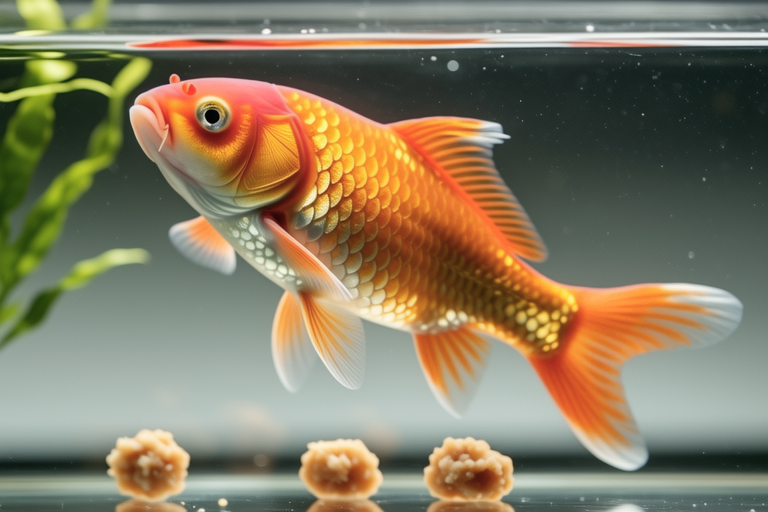
How Often Should You Feed Your Goldfish? Common Feeding Mistakes Explained
Goldfish are one of the most popular aquarium pets due to their vibrant colors and relatively easy care requirements. However, one of the most crucial aspects of goldfish care is feeding them correctly. Overfeeding can lead to various health issues, while underfeeding can stunt growth and weaken their immune system. This article will guide you through understanding the optimal feeding frequency for your goldfish, common feeding mistakes, and how to maintain a healthy aquatic environment.
Optimal Feeding Frequency for Goldfish
The frequency at which you should feed your goldfish depends on several factors, including their age, size, and the conditions of their tank. Younger goldfish have higher metabolic rates and thus require more frequent feedings compared to older ones. Typically, juvenile goldfish should be fed two to three times daily, whereas adult goldfish can be fed once or twice daily.
The size of your goldfish also plays a role in determining how often they should be fed. Smaller goldfish have faster metabolisms and need more frequent meals, while larger goldfish can go longer between feedings. Additionally, the condition of your tank, such as the presence of filtration systems and the amount of waste produced, affects how quickly uneaten food breaks down in the water, influencing the feeding schedule.
Influence of Tank Conditions on Feeding
Tank conditions significantly impact the feeding habits of goldfish. A well-maintained tank with proper filtration and regular water changes helps in breaking down uneaten food and waste products more efficiently. In contrast, tanks with poor water quality might necessitate fewer feedings to prevent the buildup of harmful substances like ammonia and nitrites.
It’s essential to monitor your goldfish’s behavior and the condition of the water to determine if adjustments to their feeding schedule are necessary. If you notice that your goldfish are consuming all their food within a few minutes, they might be hungry and need more frequent feedings. Conversely, if there is leftover food floating around after a feeding session, it may indicate that you’re providing too much food, which could harm the water quality.
Common Overfeeding Mistakes
One of the most common mistakes made by goldfish owners is overfeeding. While it might seem harmless to give your goldfish extra food, it can lead to severe health issues. Overfeeding causes uneaten food to decompose in the water, leading to an increase in harmful substances like ammonia and nitrites. These substances can cause stress, damage gills, and ultimately lead to death if left unchecked.
Signs of overfeeding include bloated bodies, lethargy, and decreased appetite. If you notice any of these symptoms, it’s important to reduce the amount of food given during subsequent feedings. Another indicator of overfeeding is the presence of uneaten food floating around the tank. This not only affects water quality but also encourages the growth of algae, which can compete with your goldfish for nutrients and space.
Selecting Appropriate Food Types
Choosing the right type of food is crucial for maintaining your goldfish’s health. High-quality flake foods, pellets, and freeze-dried or frozen treats are all excellent options. It’s best to vary their diet to ensure they receive a balanced range of nutrients. Flake foods are convenient and easy to distribute, while pellets offer a more substantial meal and are less likely to dissolve in the water, reducing the risk of fouling.
Freeze-dried and frozen foods provide variety and can help stimulate your goldfish’s appetite. They are particularly beneficial because they mimic natural prey and can encourage your fish to exhibit more natural behaviors. However, these treats should be used sparingly, as they can sometimes contain preservatives or other additives that might not be ideal for long-term consumption.
Portion Control Tips
Portion control is key to preventing overfeeding. As a general rule, you should feed your goldfish an amount of food that they can consume within two to three minutes. This ensures that they get enough nutrition without leaving excess food to deteriorate in the water. If your goldfish finish their food quickly, consider increasing the portion slightly in the next feeding. Conversely, if there’s leftover food after three minutes, reduce the amount in subsequent feedings.
Another useful tip is to feed your goldfish small, frequent meals rather than large, infrequent ones. This mimics their natural feeding behavior in the wild and helps maintain a stable digestive process. Additionally, it reduces the likelihood of uneaten food sinking to the bottom of the tank, where it can break down slowly and contribute to poor water quality.
Maintaining Water Quality Post-Feeding
After feeding your goldfish, it’s essential to maintain good water quality to ensure their continued health. Uneaten food and waste products can quickly degrade the water, so it’s vital to perform regular water changes and monitor the levels of ammonia, nitrite, and nitrate. A weekly 25% water change is usually sufficient for most setups, but this can vary depending on the number of fish and the efficiency of your filtration system.
Using a siphon to remove uneaten food and debris from the substrate can further improve water quality. This prevents the accumulation of harmful substances and keeps the tank cleaner. Additionally, investing in a high-quality filter that includes biological media for nitrifying bacteria can help break down harmful compounds before they reach toxic levels.
In conclusion, feeding your goldfish correctly is fundamental to their health and longevity. By understanding the factors that influence their dietary needs, avoiding common feeding mistakes, and maintaining a clean aquatic environment, you can provide your goldfish with a happy and healthy life. Whether you’re a novice or an experienced fish owner, paying attention to these details will ensure that your goldfish thrive in their aquatic home.
