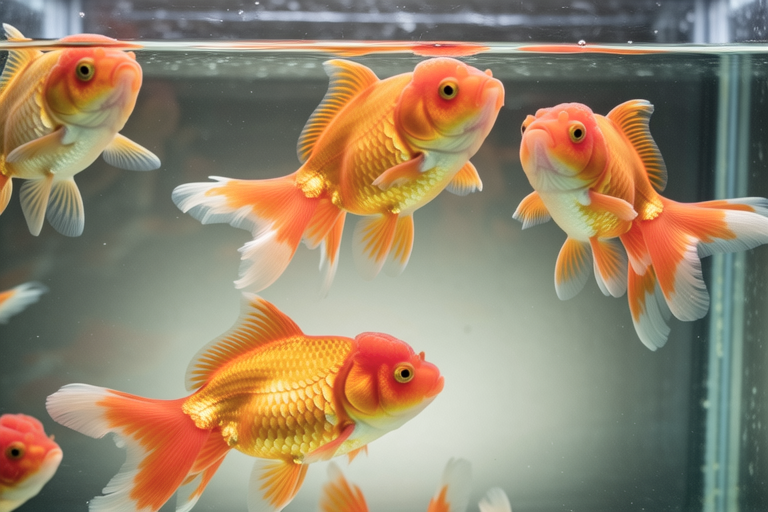
Goldfish Behavior Decoded: What Your Pet’s Actions Really Mean
Welcome to the fascinating world of goldfish! Understanding your pet’s behavior is key to providing them with the best possible care. By decoding the actions of your goldfish, you can ensure their health, happiness, and longevity. This guide will help you interpret common behaviors and provide insights into creating an ideal environment for your aquatic companions.
The Importance of Understanding Goldfish Behavior
Observing your goldfish isn’t just fun; it’s crucial for their well-being. Changes in behavior can signal health issues or environmental problems that need attention. A healthy goldfish is active, eats well, and interacts positively with its surroundings. Any deviation from this norm may require investigation.
Swimming Patterns: More Than Just Movement
Goldfish have distinct swimming patterns that can reveal a lot about their state. Normal swimming is smooth and steady, indicating good health and comfort. If your fish suddenly starts darting around the tank, it could be excited, stressed, or seeking food. On the other hand, if your goldfish appears lethargic or floats near the surface, it may be sick or uncomfortable in its environment.
One specific behavior to watch for is tail chasing. While some goldfish do this as a playful activity, excessive tail chasing can indicate stress or boredom. Ensure your fish has enough space and stimulation to avoid this repetitive behavior.
Eating Habits: A Window into Health
Your goldfish’s appetite provides valuable clues about their health. A healthy goldfish should eat with enthusiasm, showing interest in food as soon as it enters the water. However, if your fish is not interested in food or overeats, it might be experiencing health issues. Overeating can lead to swim bladder disorders, while a lack of appetite could signal illness or discomfort.
It’s important to feed your goldfish a balanced diet. High-quality pellets, flakes, and occasional live or frozen foods can provide the necessary nutrients. Avoid overfeeding, which can pollute the tank and harm your fish.
Reactions to Stimuli: Sensitivity and Adaptation
Goldfish are sensitive to changes in their environment. They respond to light, sound, and even the presence of people. For instance, goldfish tend to become more active when lights are turned on, often swimming closer to the surface. Conversely, dim lighting can make them less active, as they prefer moderate lighting conditions.
Sudden loud noises or movements can cause your goldfish to react by darting away or hiding. These responses are normal but should be minimized to prevent unnecessary stress. Creating a calm, stable environment is essential for your fish’s well-being.
Interpreting Unusual Behaviors: When to Worry
Some behaviors might initially seem alarming but are actually normal. For example, gulping air at the surface can be a sign of swim bladder issues or simply gas accumulation in the intestines. However, if this behavior persists or is accompanied by other signs like lethargy or loss of appetite, it may indicate a more serious problem.
Other unusual behaviors include erratic swimming, floating upside down, or rubbing against objects in the tank. These could point to diseases or injuries requiring immediate attention. Always monitor your fish closely and be prepared to act if you notice any significant changes.
Creating an Optimal Environment Based on Observed Behaviors
Understanding your goldfish’s behavior allows you to tailor their environment for maximum comfort. If your fish shows signs of stress, consider adjusting the tank’s lighting or reducing noise levels. Ensure the water temperature is between 68°F and 74°F (20°C to 23°C) and maintain a consistent pH level between 6.5 and 7.5.
Provide ample space and enrichment. Goldfish need room to swim freely, so aim for a minimum of 20 gallons per fish. Decorate the tank with plants, caves, and other structures to stimulate exploration and reduce boredom. Regularly clean the tank and perform partial water changes to keep the water quality high.
When to Consult a Veterinarian
While many behavioral changes can be addressed through environmental adjustments, some issues require professional intervention. If your goldfish displays persistent unusual behaviors, such as refusing food, abnormal swimming, or physical abnormalities, it’s time to seek veterinary assistance.
Choose a veterinarian experienced in treating aquatic animals. They can diagnose and treat illnesses, offer advice on nutrition and tank maintenance, and provide peace of mind knowing your fish is receiving the best care.
Conclusion: A Rewarding Journey
Decoding goldfish behavior opens up a rewarding journey of understanding and caring for these delightful creatures. By observing and responding to their needs, you can ensure your goldfish leads a healthy and happy life. Remember, every interaction with your fish is an opportunity to learn more about their unique personalities and requirements. Enjoy this enriching relationship with your aquatic friends!
